
March 10, 2025
In Canada and around the world, we are feeling the health impacts of climate change, from an increase in extreme heat and wildfire events, to the evolving spread of bacteria and viruses.
Because climate change is wide-reaching, the potential effects it can have on our health are broad. These can include respiratory illnesses, heat-related deaths, worsening chronic diseases, mental health challenges, and food and water insecurity. Many of these impacts disproportionately affect vulnerable communities, including Indigenous populations.
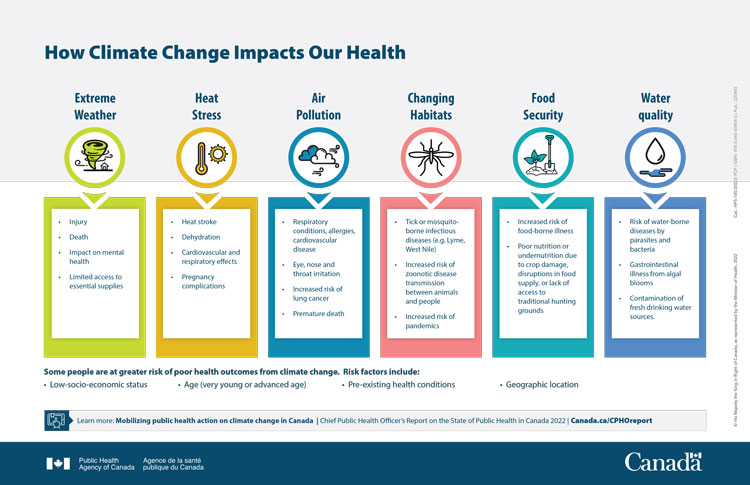
Figure 1 – How climate change impacts our health
-
Figure 1 - Text version
For the Chief Public Health Officer of Canada's Report on the State of Public Health in Canada 2022: Mobilizing Public Health Action on Climate Change in Canada
Extreme weather
- Injury
- Death
- Impact on mental health
- Limited access to essential supplies
Heat stress
- Heat stroke
- Dehydration
- Cardiovascular and respiratory effects
- Pregnancy complications
Air pollution
- Respiratory conditions, allergies, cardiovascular disease
- Eye, nose and throat irritation
- Increased risk of lung cancer
- Premature death
Changing habitats
- Tick or mosquito-borne infectious diseases (e.g. Lyme, West Nile)
- Increased risk of zoonotic disease transmission between animals and people
- Increased risk of pandemics
Food security
- Increased risk of food-borne illness
- Poor nutrition or undernutrition due to crop damage, disruptions in food supply, or lack of access to traditional hunting grounds
Water quality
- Risk of water-borne diseases by parasites and bacteria
- Gastrointestinal illness from algal blooms
- Contamination of fresh drinking water sources due to factors such as storm water, flooding, and thawing permafrost
Some people are at greater risk of poor health outcomes from climate change. Risk factors include:
- Low-socio-economic status
- Age (very young or advanced age)
- Pre-existing health conditions
- Geographic location
Learn more:
- Mobilizing public health action on climate change in Canada
- Chief Public Health Officer's Report on the State of Public Health in Canada 2022
- Canada.ca/CPHOreport
Collabor-action for health
The connection between climate change and health is one that researchers and policy teams at Health Canada and the Public Health Agency of Canada (PHAC) continue to study, while working across sectors to foster collaboration, improve our understanding of how climate affects health and find evidence-based solutions to protect the health of people in Canada.
In March 2024, PHAC’s Western Region Public Health Capacity and Knowledge Mobilization team worked with the University of Alberta’s College of Health Science to host the Alberta Summit: Mobilizing Intersectoral Action on Climate Change and Health. The event featured Canada’s Chief Public Health Officer, Dr. Theresa Tam, as well as Dr. Sherilee Harper, Professor and Canada Research Chair in Climate Change and Health at the University of Alberta and lead author on Health Canada's 2022 Climate Change and Health Assessment.
The Summit brought together over 300 participants from all levels of government, academia, health care, and Indigenous organizations across the country for a wide-ranging discussion on the environmental and public health crisis that climate change poses and the importance of taking meaningful action through continued research, collaboration and science-informed policy.

From left to right: Keren Tang, Edmonton City Councillor; Trinna Innes, Municipal Climate Change Action Centre; Jennifer Pylypiw, Métis Nation of Alberta; Chantelle Cardinal, Stoney Nakoda-Tsuut’ina Tribal Council; Dr. Sherilee Harper, University of Alberta; Hannah Bayne, University of Alberta; Brenda Hemmelgarn, University of Alberta; Courtney Smith, PHAC Regional Director. Canada’s Chief Public Health Officer, Dr. Theresa Tam, participated virtually.
Participants reported leaving the Summit with:
- increased awareness of local initiatives and organizations working in the area of climate health action;
- deeper understanding of the importance of intersectoral collaboration and multi-level approaches to mobilize action;
- a clearer picture of the interconnectedness of climate change and health impacts; and,
- a stronger appreciation of the critical need to incorporate Indigenous Knowledges and perspectives in climate health action.
The event also launched the University of Alberta’s Climate Change + Health Hub. The Hub is the first interdisciplinary group of its kind in Canada bringing together more than 30 researchers from health sciences, natural and applied sciences, and social sciences and humanities who are passionate about addressing climate change and its effects on health.
The role of public health
The Alberta Summit is just one example of how governments and academia can work together and across sectors to support and lead collaboration and innovation for health.
The federal Health Portfolio, including PHAC, and public health professionals, work at multiple levels across communities and sectors to prevent and reduce the health impacts of climate change, protect those most at risk, and promote healthier and more resilient societies.
This is done in many ways, such as promoting healthy policies like active transport, helping communities reduce health impacts through air quality advisories, identifying vulnerable places and populations, and collecting data on weather changes and climate-sensitive diseases.
As climate change progresses, we will have to find new ways to adapt and protect our health. One year on from the Summit, it remains clear that, as one participant said: “Every decision is a climate decision, and every decision is a health decision.”