
October 1, 2024
Silicone bakeware has gained popularity as a replacement for traditional non-stick bakeware due to its versatility and ease of use. However, as with anything purchased for use in the kitchen, we want to be confident that harmful chemicals aren’t being released into food or the air through their use. Health Canada is researching the use of silicone bakeware to ensure that it does not pose a potential health concern.
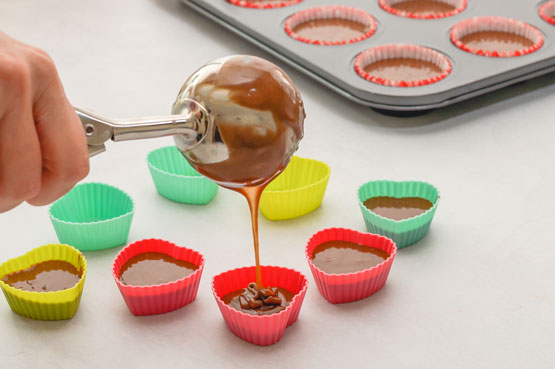
Figure 1: Various silicone molds used for baking
Polydimethylsiloxanes – what are they?
There are different types of chemicals in silicone bakeware. Silicones are formed from a class of chemicals known as siloxanes, which contain silicon and oxygen and join to form long chains (polymers) in silicones. Polydimethylsiloxane, or PDMS, is an example of a silicone. In some chemical manufacturing processes, there might be short chains of silicones leftover from the process. There have been some concerns about whether PDMSs may be released from the silicone bakeware in the baking process, potentially contaminating the food and surrounding air.
A team of scientists at Health Canada is currently carrying out research on silicone bakeware to understand if and how PDMSs are making their way into our food and indoor air.
Testing Process
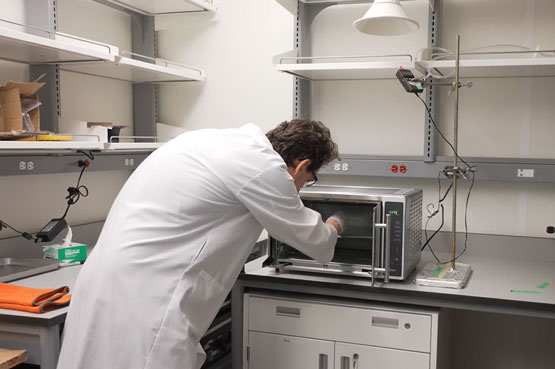
Figure 2: Laboratory Chemist, Adam Wawrzynczak, testing silicone bakeware
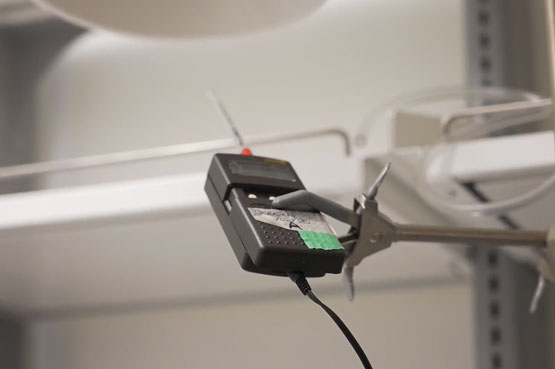
Figure 3: Air monitor to test the air quality in Health Canada labs
The first step involves purchasing silicone bakeware from various sources; the same stores and online retailers that people in Canada may frequent. Different types of bakeware, from loaf pans to muffin trays, and different brands are included to represent a wide variety of possible baking scenarios.
A food simulant containing a mixture of oil and sand is used in the baking experiments. The bakeware is then heated in an oven to common baking temperatures, while the surrounding air quality is monitored. This allows the scientists to determine whether there are any PDMSs from the bakeware present in the air, in addition to the delicious smell of your baked goods.
Once the mixture has been baked, the extraction process begins. This procedure involves the meticulous extraction of any PDMSs from the baked mixture into a liquid for analysis, which makes it easier for the scientists to determine if and how much these compounds have moved from the silicone bakeware into the food simulant.
But what does this mean for people in Canada? The results of this research help other scientists assess potential health impacts of siloxanes in bakeware, to make sure the products we use are safe.
What’s next?
In the quest for answers, laboratory scientists and risk assessors in different parts of Health Canada are working together to leverage the data collected. Together, they strive to understand if there are any potential health risks associated with silicone bakeware.
While a 2023 Health Canada assessment found that siloxanes are not harmful to human health or to the environment, this research on silicone bakeware will provide further information to continue assessing any potential risks. If products are found to pose an unacceptable risk to human health, Health Canada could take further risk management actions, including consumer product recalls.
By examining a wide range of aspects, from material composition to potential health effects, Health Canada scientists continue to work to empower people in Canada with the information and knowledge they need to make informed choices, including in the kitchen.