
Download the alternative format
(PDF format, 21.7 MB, 52 pages)
Organization: Office of the Chief Science Advisor
Published: 2024
Table of Contents
- A Message from Canada’s Chief Science Advisor
- Introduction: Science for Better
- Mandate
- Section 1: Science Advice for Better Government
- Section 2: Science Leadership for Better Research & Development
- Section 3: Science Diplomacy for a Better World
- Section 4: Science Champion for All Canadians
- Appendix A - Departments’ and agencies’ scientific activity
- Appendix B - Current members of the Departmental Science Advisors Network
- Appendix C - Members of the CSA’s Youth Council
A Message from Canada’s Chief Science Advisor
We live in an era of global competition for scientific knowledge and innovation, as countries race to develop and adopt new transformative technologies, which in turn enhance their economic prosperity. This increased competition has the potential to erode Canada’s current standing among the world’s leaders in scientific research and capability, impacting the country’s economic and societal well-being.
This is why the investments in research, talent and innovation in the 2024 federal budget were welcome news to my office, and to all Canadians. It’s also why Canada’s system of support for scientific discovery and technology development must be fit for purpose in an era of rapid technological advancement.
Against this backdrop, the Office of the Chief Science Advisor (OCSA) has made important progress in all areas of its mandate in the past year, helping to buttress the standing of Canadian science at home and abroad. This office has also worked to create the conditions in which Canada can be an essential contributor to transformative technologies such as artificial intelligence and quantum computing. It has showcased Canada’s scientific capabilities abroad, helped forge new international science partnerships, and worked to expand and deepen other, more longstanding ones. It has taken a leading role in international pandemic preparedness efforts. It has drawn attention to the importance of scientific research in Canada’s polar regions. And it has promoted greater science literacy, and more grassroots citizen science efforts, here at home.
In addition to detailing the OCSA’s activities over the past year, this report provides recommendations for future directions, both for its own endeavours and for those of the government and the people it serves, all with the goal of ensuring that Canada retains its position as a global leader in science, technology and innovation in the years and decades to come.
Mona Nemer
Chief Science Advisor
Introduction: Science for Better
For the last century and more, Canada has been one of the most prosperous countries in the world. The nation’s sustained success springs from many sources: its enviable natural resources, the talent and multicultural background of its citizens, its dedication to democracy and the rule of law, its commitment to diversity and to reconciliation with its Indigenous peoples — and its embrace of science as a tool for academic, industrial, economic and social advancement.
Scientific proficiency does not typically appear on lists of Canadian attributes, but science has played an undeniable role in Canada’s development. Science and technology made possible the transcontinental railway that first bound the country together, and for decades, science made Canada the world’s largest producer of metals and one of its leaders in aerospace, agriculture and communications technologies.
And science continues to play a prominent role in Canadian life. Science is a creator of jobs and wealth and, crucially, a driver of increased productivity throughout Canada’s economy. Our scientific strength makes the country a desirable partner in international scientific collaborations, enhancing our diplomatic relations and international alliances. Science lies at the heart of Canada’s global leadership in emerging, transformative technologies such as artificial intelligence. Our universities rank among the world’s best in published scientific research.
None of this can be taken for granted. We live in a time of heightened global competition in scientific research and technological advancement, as countries strive to be first to develop new and transformative technologies. And there are signs that Canada risks losing ground.
Many other nations — including China, France, Germany, Japan, South Korea, the United States and the United Kingdom — have substantially increased their spending on research and development in the last decade, with all of them now exceeding 2.2 per cent of GDP. By contrast, Canada’s spending on research and development has remained stable at around 1.7 per cent for most of the last decade, before falling to 1.55 per cent in 2022.
Canada’s prosperity depends upon our continued scientific leadership in the world: on our higher education system’s excellence, and on both our public and private sectors investing in science, technology, research and innovation. The OCSA supports Canada’s scientific leadership through actions and recommendations that strengthen the role of science in Canada’s political, socioeconomic and cultural life.
Mandate
The Office of the Chief Science Advisor of Canada (OCSA) was created in 2017. The OCSA’s mandate, in the simplest possible terms, is to promote the standing of science in Canada. The mandate breaks down into four pillars of activity:
- Science Advice: The OCSA works to provide federal government decision-makers with timely, best-in-class scientific counsel from scientists both inside and outside the federal government.
- Science Promotion: The OCSA supports technological adoption and research excellence across the public and private sectors, and endorses the principles of open science to make research more accessible to all Canadians.
- Science Diplomacy: The OCSA promotes Canada’s scientific capabilities as an asset in its diplomatic relationships and an advantage in international collaboration.
- Science Champion: The OCSA engages Canadians on scientific issues and on the value of science and the role it has played in Canada’s history, culture and identity, while encouraging more Canadians from all backgrounds to play a role in Canada’s scientific community.
All the OCSA’s activities in the past year, as in previous years, are driven by the pursuit of this mandate. Some of those activities take place in high-level meetings; some take the form of studies and reports; some are bootstrap efforts to establish new frameworks and pathways for scientific publication or for delivering science advice. But they all serve a broader mission: to ensure that science continues to serve the interests of Canada and of Canadians, both at home and around the world.
Section 1: Science Advice for Better Government
At all levels of federal operations, from cabinet ministers to policy analysts, government officials make daily decisions that steer Canada’s course in the world, impacting communities large and small across the country. In making those decisions, they typically assess a range of options in an effort to identify which one will best produce the desired outcomes with the fewest adverse impacts. Science can inform policies and actions, and can help track progress against objectives.
This, in essence, is what “science advice” is about. Many of Canada’s allies and contemporaries have operated on this principle for decades, with well-developed structures for compiling science advice and well-worn pathways for delivering that advice in a timely manner. The OCSA is focused on bridging this gap for the federal government.
The Departmental Science Advisors Network
The OCSA established the Departmental Science Advisors Network in 2018 to provide the foundation for a whole-of-government approach to science advice. The approach is similar to that of the United States, most of whose departments and agencies have their own chief scientist, though it more closely mirrors the United Kingdom, which has a fully-established network of departmental science advisors.
In Canada, ten federal departments and agencies currently have a departmental science advisor (DSA) specifically tasked to provide multidisciplinary advice to senior management on key scientific issues, and to champion research excellence within their department (see Appendix B). Together these advisors form the DSA Network, convened monthly by the OCSA to examine key horizontal science questions and priority thematic issues from a multidisciplinary perspective. Their deliberations are focused on supporting government priorities, particularly on issues that can benefit from cross-departmental collaboration.
In 2023-24, the DSA Network received numerous presentations and briefings on issues ranging from Arctic science (including a discussion with the territorial science advisors) and generative AI to international initiatives such as the Global Biodiversity Framework and Canada’s joint science and technology committees with France and Germany. The OCSA also convened a special virtual meeting in March 2024 between our DSA Network and their UK counterparts focusing on “science advice process during emergencies.” DSA Network members also advanced a number of science-driven initiatives within their respective departments.
In its five years of existence, the DSA Network has become an effective forum for cross-departmental consultation and exchange on the latest scientific developments and research findings. Its members are abreast of how science impacts policy areas in departments far beyond their own, making them uniquely qualified as resources for decision-makers.
DSA Network: Select departmental initiatives from 2023-24
Fisheries and Oceans Canada
Dr. Paul Snelgrove
Dr. Snelgrove continued his ongoing work to strengthen the Canadian Science Advisory Secretariat (CSAS), which is the primary vehicle for science policy advice at Fisheries and Oceans. He now chairs an External Expert Identification Committee that provides suggestions on experts for scientific reviews that require unique or specialized advice outside of DFO. Dr. Snelgrove and Dr. Arran Macpherson, DFO’s Assistant Deputy Minister for Science, proposed this body, along with other proposals to enhance open science, to the broader DFO community through a coast-to-coast webinar attended – and well received – by over 400 employees.
Canadian Space Agency
Dr. John Moores
Dr. Moores led the Canadian Space Agency (CSA)’s efforts to revamp its approach to receiving community input on its science program development and implementation. To this end, CSA established the Joint Space Science Advisory Committee (JSSAC), which will serve as a vehicle for increased stakeholder engagement. The JSSAC’s Terms of Reference have been developed and member selection is underway. The JSACC will also serve as the Canadian National Committee (CNC) to the international Committee on Space Research (COSPAR), ensuring representation and promotion of Canadian space science to the international community.
Environment & Climate Change Canada
Dr. Jennifer Winter
Dr. Winter consulted widely across the department to gather input on priority areas within ECCC that would benefit from the support of the DSA and the DSA Network. She also hosted the 2023-24 season of Science Café, a series of virtual presentations highlighting ECCC’s cutting-edge science and research programs. Dr. Winter contributed to the development of two key government initiatives: the recently published Climate Science 2050 report and the ECCC 2024-2029 Science Strategy. She is currently advising on the development of their implementation approaches.
Public Health Agency of Canada
Dr. Sarah Viehbeck
Dr. Viehbeck led the development of PHAC’s public-facing science strategy, as well as an external Science Advisory Body. The strategy – the first of its kind at PHAC and the product of extensive consultation – aims to ensure that PHAC’s science priorities are clearly articulated to effectively mobilize the latest scientific knowledge, better coordinate science efforts, and foster impactful collaborations. Dr. Viehbeck also supported PHAC’s response to Highly Pathogenic Avian Influenza (HPAI) by leading the creation of the PHAC expert panel on avian influenza A(H5Nx) and the publication of Avian Influenza A(H5Nx): Public health knowledge gaps and research needs, using an iterative, multidisciplinary approach developed by the OCSA.
Health Canada
Dr. Cara Tannenbaum
In response to the department’s first-ever Science Risk Profile, Dr. Tannenbaum led efforts to strengthen science governance with the creation of the Executive Committee on Science, a sub-committee of Health Canada’s Executive Committee. Dr. Tannenbaum also led efforts within Health Canada to address misinformation; improve laboratory efficiency and data science; promote the responsible, broader use of artificial intelligence; and integrate science into regulatory processes and Health Canada’s own Code of Values and Ethics. An impact report on “Driving Health Canada’s science and research excellence” was published in August 2024.
Transport Canada
Dr. Sriram Narasimhan
Dr. Narasimhan advanced the adoption of new technologies and data to enhance the safety, efficiency and environmental sustainability of the transportation system by establishing a Director General Remote Inspection Working Group (WG) to help support Transport Canada’s modernization agenda through the use of drones, virtual reality headsets, omnidirectional cameras and other technologies. Dr. Narasimhan also hosted two interdepartmental workshops: one on North Atlantic Right Whale detection technologies, and one on medium and heavy duty zero-emission vehicles (MHZEV) decarbonization.
National Research Council
Dr. Joel Martin
Dr. Martin, who also serves as NRC’s Chief Digital Research Officer and Chief Science Officer, championed the first NRC-wide generative AI tool called AI Zone, which was developed throughout 2023 and launched in April 2024. This tool was designed to help NRC employees solve technical problems, summarize long documents, get feedback on their writing, generate computer code and much more. It was created to help safeguard NRC intellectual property and protected data. AI Zone offers a more secure alternative to consumer chatbots and is available in English and French for information up to and including protected B.
Science in Emergency Preparedness
As the covid-19 pandemic demonstrated, large-scale emergencies require governments to act swiftly — and often without precedent — to ensure the safety and security of their citizens. In such situations, scientific knowledge can help decision-makers assess and evaluate options more quickly and with greater certainty. In 2023-24, the OCSA continued its work evaluating and recommending different ways to enhance the use of science in emergency management. This particular initiative has benefited from prior OCSA efforts across many years, implicating a range of government departments and agencies.
This work began back in 2019, when Canada worked with the United States and the United Kingdom to develop a tabletop exercise designed to simulate the pressures of decision-making in emergencies and the challenges of providing science advice in such circumstances. The trilateral exercise underlined the need for timely, integrated and multidisciplinary evidence-based advice.
The lessons from those exercises took concrete shape during the covid-19 pandemic. As early as March 2020, the OCSA had established an Expert Panel that brought scientists from inside and outside of government, in a wide range of related research across many disciplines and clinical settings, to assess the latest scientific findings, knowledge gaps and evidence-based pandemic management approaches. Time-limited task forces and committees were also established on urgent topics. The Expert Panel, whose composition shifted as the nature of the pandemic evolved, wrapped up its work in July 2023.
In September 2023, another series of simulations — the Canada-US Arctic Thaw series of tabletop exercises — again modeled the pressures of science advice in emergencies: in this instance, a fictional scenario in which an ancient pathogen is released from melting permafrost. Co-led by the OCSA and Defence Research and Development Canada, alongside the US Department of Homeland Security’s Science & Technology Branch, the exercise focused on the deployment of science and science advice in a complex domestic and cross-border emergency. Key findings from the exercise included the following:
- Comprehensive science advice for any scenario requires input from a vast array of fields. For this particular simulation, these included permafrost science, infectious disease, Indigenous health and research, wildlife ecology, water and sanitation, and behavioural science, demonstrating the need for a broad and integrated science advice mechanism.
- Canada would benefit from a federal science advice framework for emergencies that is aligned with existing priorities and plans.
- The OCSA could be better integrated into the federal emergency response.
National Biodiversity Strategy
In 2023, the OCSA accepted an invitation from the Ministry of Environment and Climate Change Canada to support the development of Canada’s National Biodiversity Strategy, which will serve as Canada’s plan to meet its commitments under the Global Biodiversity Framework (GBF). In this role, the OCSA provided extensive review and commentary on a draft report from ECCC on the science needed to support Canada’s commitments under the GBF, and participated in a panel discussion as part of a science policy workshop on the topic.
The OCSA also planned and organized a series of roundtable consultations, which will take place in the latter half of 2024, to advance three key components of the National Biodiversity Strategy:
- The development of a national biodiversity digital data repository and associated artificial intelligence platform, which would make high-quality biodiversity conservation information readily available and adaptable to the needs of decision-makers.
- The development of Indigenous-relevant indicators for biodiversity conservation strategies, to ensure that assessments and responses to adverse trends are informed by Indigenous values and knowledge.
- The advancement of a comprehensive approach to Natural Capital Accounting in cooperation with the United States and Australia: an approach that better captures the value of nature, including its non-monetizable value.
The content of these deliberations and their resulting recommendations will be released by the end of 2024.
Long Covid Task Force
In 2022, the OCSA established its Long Covid Task Force, which, in March 2023, issued a list of recommendations in its report entitled Post-COVID-19 Condition in Canada: What we know, what we don’t know, and a framework for action. The Task Force noted that a great deal of research on long covid, also called post-covid-19 condition (PCC), was still in the early stages of development.
The OCSA presented and discussed the PCC report findings at the World Non-Communicable Diseases Congress 2023: Equitable and Sustainable Health For All in June 2023 and at the first Canadian Symposium on Long Covid: Research excellence as a vehicle for solutions in Montreal in September 2023.
Building on the March 2023 PCC report and its recommendations, the Chief Science Advisor’s Long Covid Task Force met once again in February 2024 to take stock of the latest science and policy actions related to PCC and formulate priority recommendations based on the current state of science. The 2023 PCC report had some influence as federal actions were underway in some areas, including establishing networks of researchers to leverage expertise and partnerships; however, more efforts were clearly needed. The scientific updates and deliberations from this meeting, as well as recent literature, will inform a follow-up report to be released online in the fall of 2024.
Science Advice: Future Directions
The OCSA’s activities from the past year have combined to shine a clear light on the state of government science advice.
First, the Arctic Thaw exercise underlined yet again the importance of science advice in emergency preparedness: the need to have key individuals and cross-departmental structures in place to gather and assess available and emerging scientific evidence, and to deliver sound, timely advice to decision-makers.
- In the year ahead, the OCSA will publish a report aimed at enhancing the use of science in all stages of emergency management. This report will bring together the lessons learned from both the covid-19 pandemic and the Arctic Thaw exercise to make recommendations for establishing more formal and robust structures and frameworks for the coordination of evidence gathering and of science advice during emergencies.
Second, the Departmental Science Advisors’ contributions to a variety of government initiatives, including emergency preparedness, their engagement with departmental leadership, and their work with international partners demonstrated the value of their network as a central structure for interdepartmental cooperation and the provision of cohesive, informed science advice.
Five years after the DSA Network’s creation, many departments and agencies — including many whose work is chiefly driven by science and research — have still not named a Departmental Science Advisor. As a result, these departments are missing out on streamlined connectivity with federal partners, important science deliberations and activities. The OCSA continues to encourage several departments to join the group, particularly those who conduct scientific research and those who increasingly need to use science to deliver on their mandate.
- The OCSA also brings together Assistant Deputy Ministers for science and technology, who manage teams of government scientists within their departments, to discuss cross-cutting issues and foster whole-of-government collaborations. For the year ahead, this group will continue meeting as a one-year pilot project in an effort to provide a forum for science exchange and coordination.
Section 2: Science Leadership for Better Research & Development
Canada’s longstanding global leadership in scientific research, both inside and outside of government, has shaped the country’s economy and its society. Scientific research leads not only to knowledge discovery, but also to new technologies, intellectual property rights, a culture of innovation and early technology adoption, all of which enhances economic productivity and prosperity. Canada’s investments in its scientific capabilities have produced substantial dividends.
That investment needs to continue. Measured as a percentage of GDP, Canada’s spending on research and development fell to 1.55% in 2022, down from 1.89% just two years prior, while other countries around the world are dedicated to increasing that ratio well beyond 2%.
In this context, the OCSA promotes the elevation of science, technology and innovation within Canada’s federal government and across sectors throughout the country. The OCSA focuses on three distinct pillars that can help secure and maintain Canada’s global leadership: policy, talent and infrastructure.
Policy initiatives
The federal government itself conducts voluminous amounts of scientific research across nearly all areas of endeavour, making a substantial contribution to the country’s global leadership. The OCSA works to improve federal science policy, establishing a stronger foundation for government scientists to pursue their work.
Scientific Integrity Policy
In 2018, the OCSA drafted a Model Policy on Scientific Integrity to guide the responsible conduct and communication of research, which has since been adopted by 24 of the government’s 25 departments and agencies for whom science and research are key activities. The OCSA consults regularly with all departments on the effectiveness of the policy and supports its ongoing implementation. Important progress was made in 2023-24, including:
- In December 2023, the OCSA published its third report on The Status of Federal Scientific Integrity Policies, documenting the progress of policy implementation across departments.
- In partnership with the Canada School of Public Service, the OCSA launched three training modules on evidence-informed decision-making, including modules on the scientific method, how to evaluate scientific evidence, and how to identify bias in research models.
- The OCSA began preliminary consultations on version 2.0 of the model policy, which will include provisions to address issues such as the use of generative artificial intelligence tools, research security and open science.
- The OCSA also worked with the Indigenous STEM cluster, an interdepartmental collaboration focused on enhancing Indigenous-led science and innovation, to ensure that version 2.0 addresses the appropriate engagement of Indigenous knowledge holders and partners, and the ethical use of Indigenous data and information in science and research activities.
Open Science
Since its inception, the OCSA has embraced the principles of open science, which seeks to make scientific processes and practices, including research methodology and inputs, more open and transparent. This includes removing the financial barriers to access published research and data. In February 2020, the federal government, through the Minister of Innovation, Science and Industry, adopted the OCSA’s Roadmap for Open Science. The roadmap provided a multi-year pathway for reaching two key destinations:
- Open Access: The publications authored by federal scientists will be openly accessible.
- Open Data: The data collected and used by federal scientists in the course of their publishable research will reflect FAIR data principles (findable, accessible, interoperable and reusable).
The OCSA has helped the federal science community make steady progress towards these objectives on an annual basis. A key milestone reached in 2023-24 was the formal launch of the Federal Open Science Repository of Canada (FOSRC), the result of a successful pilot project. Created in collaboration with Shared Services Canada, the Federal Science Libraries Network, and eight science-based departments and agencies, the repository houses both published peer-reviewed articles by federal and federally funded researchers, and other scientific and technical reports from Government of Canada scientists. This past year, the OCSA also established an expert advisory committee to propose a scientific data governance framework that will guide the publication and management of open science data.
Federal Open Science Repository of Canada
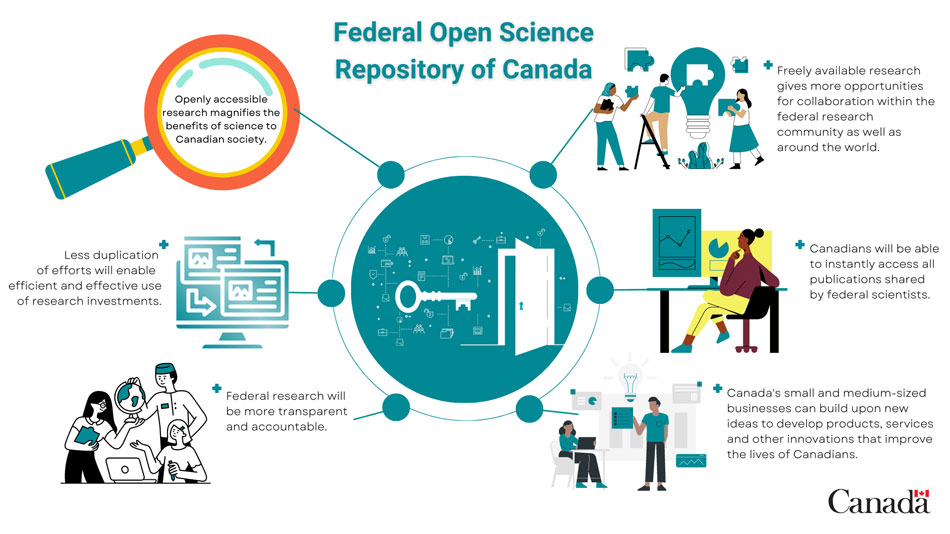
The Federal Open Science Repository of Canada, launched in 2023, represents a major step toward achieving open access to federal science. It aligns with the recommendations outlined in the Chief Science Advisor’s Roadmap for Open Science.
-
Federal Open Science Repository of Canada - Text version
This infographic highlights the benefits of openly accessible federal research through the Federal Open Science Repository of Canada.
At the center of the image, a large teal circle features an open door and a white key, symbolizing access to knowledge and research. Connecting lines radiate outward to six sections around the circle, each paired with an icon and text explaining key benefits.
- 1. Top-left (magnifying glass):
- "Openly accessible research magnifies the benefits of science to Canadian society."
- 2. Top-right (collaborative group with puzzle pieces and lightbulb):
- "Freely available research gives more opportunities for collaboration within the federal research community as well as around the world."
- 3. Middle-right (person working at a desk with computer):
- "Canadians will be able to instantly access all publications shared by federal scientists."
- 4. Bottom-right (business teamwork with digital devices):
- "Canada's small and medium-sized businesses can build upon new ideas to develop products, services, and other innovations that improve the lives of Canadians."
- 5. Bottom-left (three people collaborating with technology):
- "Federal research will be more transparent and accountable."
- 6. Middle-left (two file icons on a screen with arrows):
- "Less duplication of efforts will enable efficient and effective use of research investments."
- 1. Top-left (magnifying glass):
Talent initiatives
Canada is a global leader in scientific capability because it is home to many world-leading scientists and a highly educated population. For Canada to maintain its global leadership, it needs to continue to attract top scientists from around the world, develop excellent scientists within the country, and give them all opportunities to pursue their work and expand their careers at home.
Understanding the federal science workforce
The mandate of the Chief Science Advisor involves assessing the state of federal government science, including the federal science workforce. The federal government employs more than 31,000 people in science and technology functions across more than 40 departments and agencies, representing more than 10 per cent of its total workforce. But as a distinct staff cohort, little is known about them — their diversity, demographics, capabilities or career progression. Moreover, as technology continues to reshape social and economic habits, the federal government itself needs to ensure that it is acquiring, or developing, the scientific skills it needs to meet future challenges.
In January 2024, the OCSA published a report entitled The Federal Science Workforce: An Overview. The report gathered all available information on the science workforce from a variety of sources to provide an evidence-based portrait of their distribution within the federal government, their classification, their status, their age, and representation from employment equity designated groups. One of the report’s key conclusions was the need for additional, detailed and consistent data on federal scientists. The report recommended a five-point plan to:
- adopt a long-term data collection strategy on federal scientists;
- review the definition of the federal science workforce to include all science-related functions;
- compile data to document the career paths of federal scientists;
- develop analytical tools, including dashboards; and
- determine which institution is best placed to collect and regularly analyze this data.
The Chief Science Advisor consulted the Chief Human Resources Officer of the Treasury Board Secretariat, the President of the Public Service Commission, and the Chief Statistician to discuss the report’s recommendations and follow up. The OCSA continues to advance this work through a number of shorter complementary reports to shed additional light on specific themes raised in the original report.
Graduate scholarships and postdoctoral fellowships
Canada’s research universities rank among the world’s best, and they compete globally to attract talented science students and graduates to their institutions — a task that has become increasingly difficult in recent years.
The Chief Science Advisor has consistently recommended enhancing support for graduate students and post-doctoral fellows, which has been stagnant for a period of two decades. As such, the OCSA welcomed the March 2023 Report of the Advisory Panel on the Federal Research Support System, which found that “current support for graduate students, the researchers of tomorrow, is at a breaking point… they have not kept pace with increases to the cost of living nor with research trainee compensation trends around the world.”
In June 2023, the House of Commons Standing Committee on Science and Research called the Chief Science Advisor as a witness for its study on The Government of Canada’s Graduate Scholarship and Post-Doctoral Fellowship Programs. In her remarks to the Committee, the Chief Science Advisor again recommended a comprehensive adjustment of scholarship programs in Canada, emphasizing the need to increase scholarship value and address inequities in funding distribution.
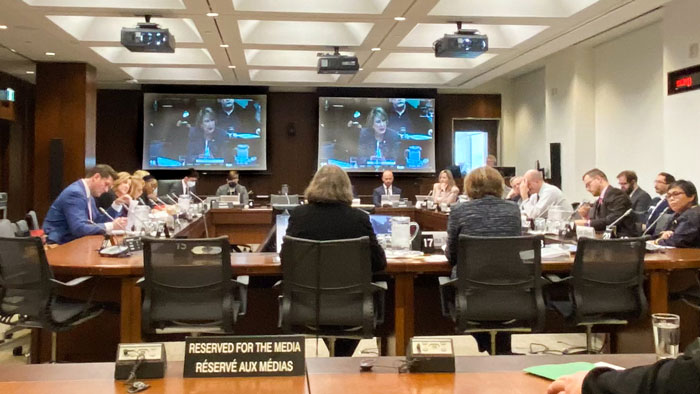
On June 6, 2023, Dr. Mona Nemer appeared as a witness before the Standing Committee on Science and Research, providing expert testimony for the Committee’s study on The Government of Canada’s Graduate Scholarship and Post-Doctoral Fellowship Programs.
In its most recent federal budget, the Government of Canada announced the creation of 1,720 new scholarships and fellowship positions, and an increase in the value of masters ($27,000) and doctoral ($40,000) scholarships and postdoctoral fellowships ($70,000).
Diversity in the STEM disciplines
Diversity was a theme of the Chief Science Advisor’s work this year as it has been throughout her tenure. The fields of science, technology, engineering and mathematics have lagged behind other academic disciplines in the proportions of women, people of colour, Indigenous people and other groups. Their under-representation constricts the breadth of knowledge and experience that individual practitioners bring to the pursuit of research. In her speaking engagements and public appearances, and in her discussions with decision-makers, the Chief Science Advisor continues to stress the importance of ensuring equitable representation within the STEM disciplines.
Infrastructure initiatives
To maintain Canada’s standing as a global leader in science, the country needs to build and maintain leading-edge research and scientific infrastructure: laboratories, research facilities, computing capacity, and manufacturing and logistical capabilities.
Polar Continental Shelf Program
Canada has been engaged in Arctic and northern research for decades. All nations in the circumpolar region, including Canada, have registered a substantial increase in scientific activity. This situation presents opportunities for collaboration; it also underscores the utmost importance of Arctic research for Canada, both from a national security perspective and for community prosperity and well-being.
In 2023, the OCSA released its report entitled The Polar Continental Shelf Program (PCSP) and the Rapid Rise of Northern Research. The PCSP, which was established in 1958, is Canada’s centre of excellence for Arctic logistics: from its hub in Resolute Bay, it provides the planning and logistical support that scientists need to safely and confidently conduct field research in the region’s often inhospitable climate and geography.
The OCSA’s report documents a steep rise in published Arctic science research worldwide — and also the changing nature of that research, with the environmental and engineering sciences becoming more prevalent. The report’s recommendations include:
- Acknowledging the shift in research focus and providing the support needed to meet changing priorities and methods and evolving science community composition, as well as increased research volumes.
- Growing the scientific capacity and role of local communities in Canada’s northern and Arctic regions.
- Developing support capacity for new digital technologies that enhance field work, including remote sensors, autonomous vehicles and computation capacity.
- Improving the geographical range of sites to which scientists can gain access, leveraging an increasingly decentralized network of infrastructure that can include and help grow local capacity.
The report also calls upon Canada, which has one of the world’s largest Arctic territorial claims, to develop an Arctic research strategy, work towards a more coordinated effort, and strive to be a global leader in northern and Arctic research.
Biomanufacturing and Life Sciences
The Chief Science Advisor supported the implementation of the federal government’s 2021 Biomanufacturing and Life Sciences Strategy, which helps maintain Canada’s leadership in these areas while also making a critical contribution to Canada’s preparedness for future emergencies or pandemics. Establishing domestic capacity and harnessing multidisciplinary collaboration to produce needed tests, medicines and vaccines will help safeguard the health of both Canadians and the economy.
The Chief Science Advisor, whose own background is in medical and life sciences research, has been active on the strategy’s continuing rollout in 2023-24, with contributions focused on ensuring that the lessons learned from the covid-19 pandemic, including strengthening research and development prioritization and coordination as recommended by her expert panel on covid-19, are reflected in the strategy’s implementation. Pandemics not only strain global manufacturing capabilities and jeopardize global supply chains, but also test capacity —the readiness of scientists and the capability of their research facilities — to respond to novel threats.
In 2023, the Government of Canada announced the creation of five research hubs, each a combination of public, academic and private partnerships, to develop Canada’s scientific capabilities in all areas related to pandemic preparedness:
- Canada’s Immuno-Engineering and Biomanufacturing Hub (CIEBH), led by the University of British Columbia
- Canadian Hub for Health Intelligence & Innovation in Infectious Diseases (HI3), led by the University of Toronto
- Canadian Pandemic Preparedness Hub (CP2H), co-led by the University of Ottawa and McMaster University
- Eastern Canada Pandemic Preparedness Hub (ECaPPH), led by the Université de Montréal
- Prairie Hub for Pandemic Preparedness (PRAIRIE Hub), led by the University of Alberta
A total of $570 million in federal funding will be made available through 2028 to support research proposals associated with these hubs, which will ensure Canada remains at the cutting edge of scientific knowledge in these fields.
Transformative Technologies
Transformative technologies have the potential to profoundly disrupt the way individuals and organizations use technology in their lives and operations. Artificial intelligence, quantum computing, biotechnology and bio-engineering are among the most notable fields of transformative technology in the world today, and the OCSA is active in supporting research, adoption and talent development in each of them.
As a member of the government’s Advisory Council on Artificial Intelligence, the Chief Science Advisor meets regularly with public and private sector leaders to ensure Canada’s global leadership in AI policy, governance and adoption. In 2023-24, the Advisory Council helped to shape the government’s September 2023 release of the Voluntary Code of Conduct on the Responsible Development and Management of Generative AI Systems.
The Chief Science Advisor continues to promote Canada’s leadership in these areas internationally. Among those activities, in her role as the co-chair of the Canada-France Joint Committee on Science, Technology and Innovation, she established both AI and quantum computing as the Joint Committee’s first priority areas for shared research and collaboration. As a result, the Natural Sciences and Engineering Research Council of Canada and France’s Agence Nationale de Recherche launched a joint call for proposals on quantum computing.
Better Science: Future Directions
For this particular dimension of the Chief Science Advisor’s mandate — namely recommending ways for the federal government to support scientific research and development — there is a clear priority for action related to each pillar.
Policy: Broaden the open science tent
The key principle behind the OCSA’s support for open science is that federally funded research is ultimately funded by the people of Canada, and Canadians should have access to its published results. The launch of the Open Science Repository this past year now makes that goal attainable.
The next step is to ensure that all federally-funded research adheres to the principles of open science irrespective of where, and by whom, the research is carried out. This includes the research conducted by both the federal government’s science workforce and by university researchers funded by the federal granting agencies: the Natural Sciences and Engineering Research Council, the Social Sciences and Humanities Research Council, the Canadian Institutes of Health Research, and the Canada Foundation for Innovation.
The OCSA will continue encouraging a harmonized approach to open science in Canada, and provide practical recommendations for sustainability and fairness of open access to scientific publications.
Talent: Harness the potential of the federal science workforce
As noted in the OCSA’s report entitled The Federal Science Workforce: An Overview, the science workforce represents 11.4% of the federal public service. It also represents a highly educated segment of the federal workforce that is likely underestimated and may be underutilized as a resource for developing public policy and for enhancing public dialogue on science.
The OCSA will continue to promote a more robust system of data collection about the science workforce. Such a system will allow the federal government to better plan and capitalize on the capabilities of its science workforce through a talent management program that gathers comprehensive data on qualifications, recruitment and hiring, and career opportunities and progression. It will also provide federal scientists with opportunities for career progression and fuller use of their unique assets in support of the government and Canadians.
Infrastructure: Create the conditions for AI and quantum R & D to thrive
Canada is home to some of the world’s leading researchers in artificial intelligence and quantum computing. But to play a leading role in the development of these technologies, and to keep attracting the most talented researchers in these fields, Canada must ensure that its research teams and institutions have the infrastructure they need.
The ongoing development of artificial intelligence requires access to massive amounts of data, which in turn requires significant capabilities for high-power computing and secure data storage. Quantum research requires highly specialized facilities of its own. And the infrastructure needs for both fields are changing rapidly as research uncovers new knowledge and information. These technologies will also be integral to each other’s development and to the development of other emerging technologies, such as nuclear fusion energy. State-of-the-art infrastructure is also essential for technology adoption and for growing and retaining small and medium-sized enterprises in these globally competitive areas.
Canada should make a high priority of investing in the physical infrastructure needed to facilitate the pursuit of transformative technologies, and to integrate that infrastructure with clean energy sources. Canada’s transition to a digital society comes with substantial energy and infrastructure demands.
Section 3: Science Diplomacy for a Better World
Science is a key component of Canada’s standing in the world. The country’s scientific knowledge, its research capabilities, and the expertise of its scientists are all coveted worldwide by academic institutions, private-sector firms, and often governments themselves.
As a result, science, technology and innovation are often a key component of cross-border trade and investment, and international research collaborations can help advance discovery. That makes international scientific cooperation a means for Canada to strengthen ties with allies, promote its values abroad, and pursue its objectives on the global stage.
The promotion of Canadian science and research abroad is part of the OCSA’s mandate. In this role, the Chief Science Advisor serves as a global ambassador for Canadian science, leading Canadian delegations abroad, meeting with international science officials, and promoting scientific cooperation that benefits Canadian interests. In 2023-24, the OCSA was engaged in science diplomacy with a broad variety of partners on a wide range of themes.
Polar Science
The stewardship of the planet’s Arctic circumpolar region is a responsibility shared among all countries whose boundaries reach into the Arctic circle. Throughout the past year, building upon Canada’s established and recognized strength in Arctic research and upon the OCSA’s own report on the Polar Continental Shelf Program, the OCSA engaged with multiple international partners to advance scientific collaboration in the far north.
One Planet Polar Summit: In November 2023, the Chief Science Advisor led the Canadian science delegation to the One Planet Polar Summit, convened in Paris to examine the latest scientific research on the impact of melting ice caps and glaciers, stressing the role that polar regions play in climate regulation and the preservation of biodiversity. Canadian scientists were prominent speakers and session chairs throughout the Summit’s agenda.
Mission to Norway: In March 2024, the Chief Science Advisor, alongside representatives from Polar Knowledge Canada and the US Department of Homeland Security, conducted a science mission to Norway. The Chief Science Advisor liaised with a number of key Norwegian and Nordic institutions, including the Norwegian Polar Institute, the Research Council of Norway, Nordic Energy Research, and Nordic Innovation.
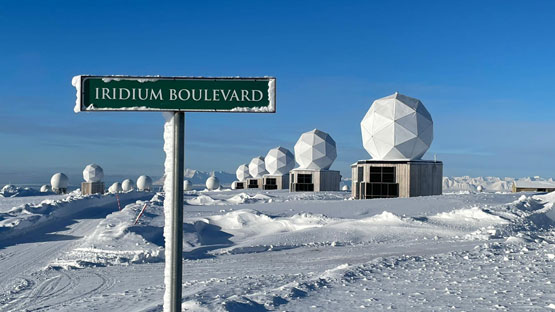 The Kongsberg Svalbard Satellite Station, strategically located in the Arctic region, plays a vital role in satellite communications due to its high-latitude positioning
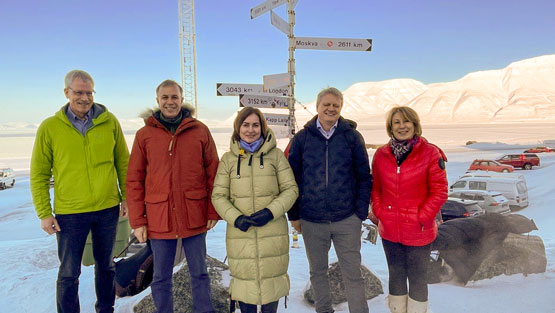 The delegation visited the Ny-Ålesund Research Station in Svalbard. From left to right: David Hik, Chief Scientist and Vice-President of Research at Polar Knowledge Canada; Dr. Dimitri Kusnezov, Under Secretary for Science and Technology, U.S. Department of Homeland Security; Camilla Brekke, Director, Norwegian Polar Institute; Ivar B. Prestbakmo, State Secretary to the Norwegian Minister of Research and Higher Education; and Dr. Mona Nemer, Chief Science Advisor of Canada.
As a member of the Canada Research Coordinating Committee, which works to align the policies and programs of Canada’s major research granting agencies, the Chief Science Advisor welcomed a new $20 million collaborative initiative between the CRCC and Nordforsk, the research financing arm of the five-nation Nordic Council. This initiative is hopefully the first among many potential avenues for further Canada-Nordic collaboration.
International Pandemic Preparedness
The covid-19 pandemic restrictions are far in the rear-view mirror, but global preparations for the next pandemic are quietly underway, with the OCSA participating through a range of international partnerships and forums.
Arctic Thaw: As mentioned earlier in this report, the September 2023 Canada-US Arctic Thaw exercise, an emergency simulation in which participants responded to the fictional release of an ancient pathogen from melting permafrost, led to a number of lessons and recommendations for Canada’s domestic emergency preparedness. But the simulation was also, crucially, an exercise in international diplomacy and cooperation, coordination of the release and sharing of information, and implementation of protective measures, with global partners.
International Pandemic Preparedness Secretariat: The IPPS is the international organization behind the initiative known as the 100 Days Mission for Pandemic Preparedness, whose objective is to ensure the swift development of tests, therapeutics and vaccines within 100 days in a future pandemic. The OCSA has been a key contributor to the IPPS since its inception, as a member of the G7 science advisors’ group that, in 2021, shaped its creation.
In January 2024, the IPPS announced that Chief Science Advisor Dr. Mona Nemer will succeed IPPS founder Sir Patrick Valance, former Chief Science Advisor to the government of the United Kingdom, as Chair of the 100 Days Mission Steering Group. In this capacity, the Chief Science Advisor intends to enhance connectivity between Canadian and international partner organizations, both public and private, to ensure the success of the 100 Days Mission. This international linkage will help Canada to better understand, prevent, and respond to pandemic threats. Having tests, vaccines and therapeutic medicines available in the early days of a public health emergency of international concern is much more likely if we work efficiently around the world as part of the 100 Days Mission and other international forums.
Multilateral and Bilateral Science Forums
As part of its international commitments, Canada is a member of several multilateral groups, such as the G7 and G20, whose structure includes meetings focused on scientific and research standards, collaboration and reciprocity. The Chief Science Advisor frequently participates in these forums, and in many cases leads Canadian delegations when science, technology and innovation are central to the agenda. These meetings serve as an opportunity to affirm and advance Canada’s values with respect to the pursuit of scientific research, including open science and data, research security and integrity, and international cooperation.
G7: In May 2023, at the request of Innovation, Science and Industry Minister François-Philippe Champagne, Dr. Nemer served as Canada’s head of delegation to the G7 Science and Research Minister’s Meeting in Sendai, Japan. The meeting’s participants affirmed their support for science and technology cooperation to solve global issues, noting in particular the importance of securing shared access to major scientific research infrastructures. The representatives also reiterated their shared commitment to open science and research security. Canada and the United Kingdom, as co-chairs of the G7’s working group on the Security and Integrity of the Global Research Ecosystem (SIGRE), are leading the effort to develop best practice guidelines, as well as a virtual academy, to support international scientific collaboration that preserves both the integrity and security of scientific research.
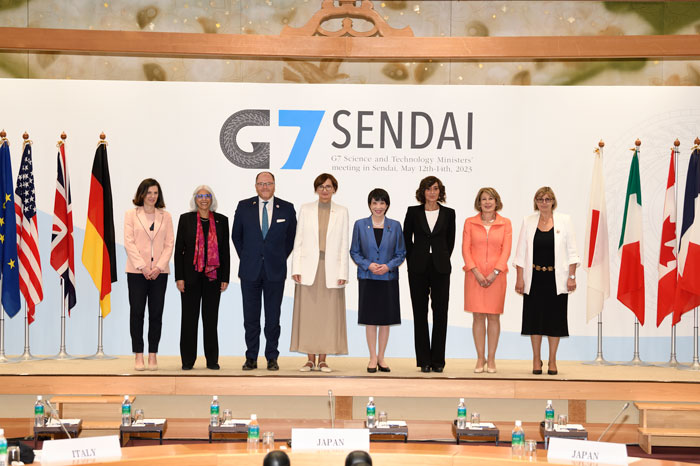
At the request of The Honourable François-Philippe Champagne, Dr. Mona Nemer led Canada’s delegation to the G7 Science and Research Ministers’ Meeting in Sendai, Japan, in May 2023.
G20: In July 2023, again at the Minister’s request, Dr. Nemer led Canada’s delegation to the G20 Research and Innovation Ministers Meeting in Mumbai, India. Under the theme of “Research and Innovation for an Equitable Society,” the ministers urged greater collaboration on materials for sustainable energy and eco-innovations for energy transition, as well as a swifter transition towards a circular bio-economy, with an integrated approach to land, water, energy and biomass use.
Science-Driven International Collaboration
International collaboration and engagement are increasingly common in scientific research. Certain types of research require expensive infrastructure that is best maintained as a shared facility. Moreover, in nearly all fields of research, international collaboration leads to faster discovery and more diverse options to mobilize research for societal and global good. Canada participates in numerous international science-driven forums, promoting the principles of integrity, openness and reciprocity. Canada has also established a number of collaborative bilateral scientific relationships with its allies.
Canada-Japan Bilateral Meetings
In advance of the G7 Science Ministers’ meeting in Sendai, the Chief Science Advisor led a bilateral delegation to Tokyo focused on amplifying bilateral science, technology and innovation cooperation between Canada and Japan. Discussions focused on research collaboration in the fields of industrial science and technology and biomedical research.
Joint Committees: France, the United Kingdom and Germany
Joint Committees on Science and Technology are bilateral working groups that help prioritize and coordinate scientific and research collaboration between two countries. Canada has now established 16 such Joint Committees with international partners.
- The newest Joint Committee, with France, held its first meeting in April 2023 in Ottawa. The OCSA was instrumental in the creation of the committee. As part of its inaugural proceedings, Dr. Nemer presented to the Joint Committee and hosted French Higher Education and Research Minister Sylvie Rétailleau.
- Also in April, Dr. Nemer participated in meetings of the Canada-United Kingdom Joint Science and Technology Committee, whose primary topic was how best to promote the principles of open science while ensuring research security and integrity.
- As a follow-up to the Canada-UK meeting, Dr. Nemer hosted the UK’s Science Minister, George Freeman, whose visit included the signing of a Memorandum of Understanding for a joint $35 million biomanufacturing program. Minister Freeman also announced that Canada would be an official partner in the UK’s $200 million International Science Partnership Fund, giving Canadian scientists greater access to research collaboration opportunities and funding.
- In May 2023, Vice Chief Science Advisor Dr. Geneviève Tanguay co-chaired the 27th meeting of the Canada-Germany Joint Commission on Science and Technology. Both Dr. Tanguay and Dr. Nemer met with German Minister of Education and Research Bettina Stark-Warzinger during the official visit to Canada of German Prime Minister Frank-Walter Steinmeier.
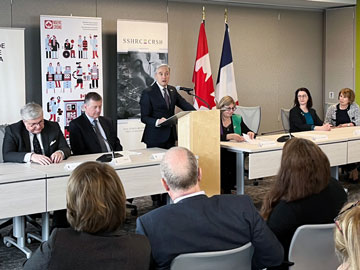 The Honourable François-Philippe Champagne announced the creation of a joint committee to enhance scientific collaboration between Canada and France. Co-chaired by Dr. Mona Nemer and Dr. Claire Giry, Director General of Research and Innovation, French Ministry of Higher Education and Research, the committee focuses on strengthening bilateral partnerships in science and technology
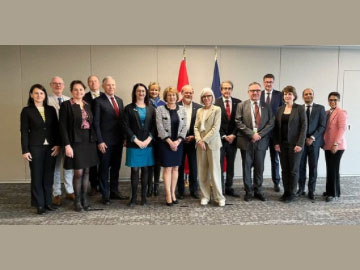 The joint committee is co-chaired by Canada’s Chief Science Advisor Dr Mona Nemer and Dr Claire Giry, Director General of Research and Innovation at the French Ministry of Higher Education and Research.
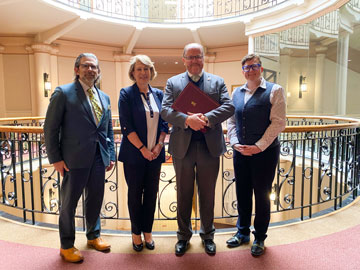 On June 8, 2023, Dr. Mona Nemer hosted George Freeman, UK Minister for Science, Research, and Innovation, along with Professor Jackie Dawson, Canada Research Chair in Environment, Society, and Policy, to discuss bilateral research opportunities.
Horizon Europe
In November 2023, European Commission President Ursula Von Der Layden and Prime Minister Justin Trudeau announced that Canada would be included in Pillar II of Horizon Europe, a €95 billion program aimed at addressing some of the world’s most urgent challenges through science. Canada’s inclusion provides Canadian researchers and organizations with the opportunity to join or lead collaborative projects with Europe’s best research organizations.
Multilateral Dialogue on Principles and Values
In February 2024, Dr. Nemer represented Canada at the Multilateral Dialogue on Principles and Values for International Cooperation in Research & Innovation in Brussels, Belgium. The meeting resulted in the release of the Brussels Statement, which emphasizes the importance of international scientific collaboration to address global challenges and calls for a roadmap to establish common principles and values across multiple international bodies.
The American Association for the Advancement of Science
The Vice Chief Science Advisor led the Team Canada delegation to the annual conference of the American Association for the Advancement of Science (AAAS) in February 2024. The AAAS conference is the largest of its kind in the world, with thousands of scientists and science policy experts from around the world coming to Denver for three days of meetings and events.
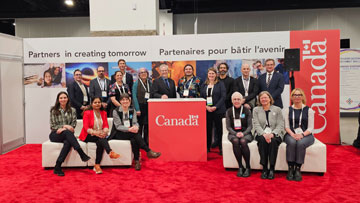
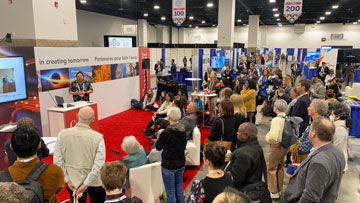
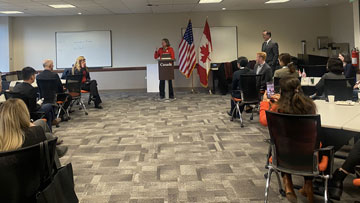
The Canadian delegation to the AAAS is made up of scientists, researchers and science communicators from the private, public and not-for-profit sectors, a number of whom were featured in main-stage conference events, including Vice Chief Science Advisor Dr. Geneviève Tanguay, Dr. Kate Moran of Ocean Networks Canada, SNOLab’s Jodi Cooley and SSHRC director Karine Duhamel.
In addition to the main-stage agenda, the Canada pavilion hosted a substantial program of its own, including talks and panel discussions focused on such topics as Indigenous knowledge, Indigenous languages technology, quantum computing, ocean data and climate change. The Canadian consulate in Denver hosted a reception for the Team Canada delegation and select international guests, where Vice Chief Science Advisor Dr. Geneviève Tanguay spoke on the importance of bringing together players from across the IT landscape — and across borders — to encourage multidisciplinary collaboration.
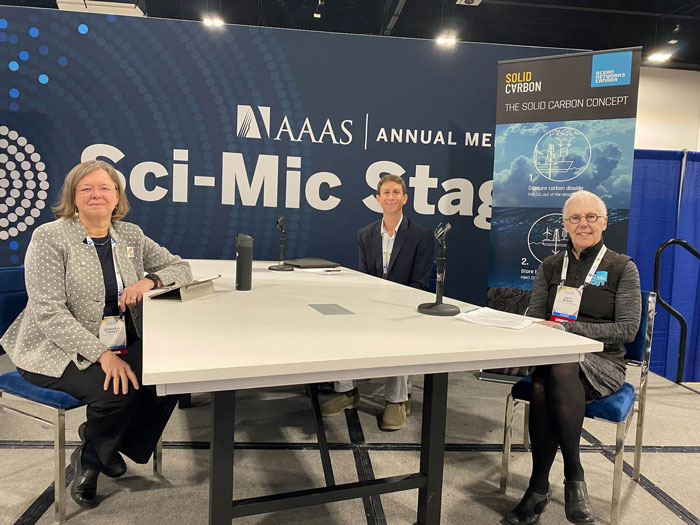
At the AAAS meeting, Vice Chief Science Advisor Dr. Geneviève Tanguay moderated a panel on ocean-based climate solutions, organized by Ocean Networks Canada (ONC). The discussion focused on marine carbon dioxide removal— methods that enhance the ocean’s natural processes to reduce carbon in the atmosphere and safely store it in the ocean. ONC operates world-leading ocean observatories in the Pacific, Atlantic, Arctic and Antarctica, collecting data that accelerates scientific discovery and makes possible solutions that support planet sustainability.
Science Diplomacy: Future Directions
Arctic Science
Canada’s Arctic, subarctic and far northern regions have played a prominent role in the OCSA’s work throughout 2023-24, both domestically — with recommendations for the reinvigoration of the Polar Continental Shelf Program — and internationally, through the Arctic Thaw exercise and engagements with Norway. These endeavours have combined to underline the importance of these regions to Canada’s international relations. The planet’s Arctic region is of increasing economic, environmental and geopolitical importance.
Canada should devise and adopt an international Arctic science strategy whose objective would be to make Canada a global leader in Arctic research. A robust and comprehensive research program, especially in collaboration with northern populations, is a crucial means for Canada to peacefully assert its sovereignty and its values over its northern territorial claim. It would also help make Canada an essential partner to peer nations for scientific and diplomatic collaboration on all issues related to the Arctic region.
International Development
Science and technology can also help advance Canada’s international development objectives. Health research supports pandemic preparedness in middle and low income countries. Data science and artificial intelligence will have profound impacts on societies and economies around the world, and Canada’s leadership in these fields can be part of our development assistance. The nations most impacted by climate change tend to be concentrated in the global south; Canada can help them build capacity to address local challenges resulting from global phenomena and also contribute to international science and technology development. The federal government could make science and technology a formal pillar of Canada’s international development strategy.
Section 4: Science Champion for All Canadians
Scientific achievement is part of Canada’s history, but its role in shaping the country’s present is less frequently acknowledged. Canada’s global leadership in transformative technologies places the country at the frontiers of contemporary scientific discovery, engaging in research and innovation that will reshape the habits and routines of society and expand the realm of the possible. Science is a cultural force in Canadian life: a source of national pride that can inspire individual and collective ambition.
The Chief Science Advisor uses her role to connect with Parliamentarians, Indigenous peoples, young people, local communities and the general public through media appearances, speaking engagements and other initiatives. The OCSA promotes greater inclusiveness in science education, career pathways and participatory research to maximize the benefits of science for everyone.
Citizen Science
Citizen science, which is also referred to as “participatory research,” is a collaborative approach to research between public volunteers and professionals. It operates in a variety of disciplines, with the common value being that it opens up the scientific enterprise to people beyond the professional communities. Citizen science has contributed to discoveries such as new exoplanets and new aspects of the planet’s magnetic field.
In November 2023, the House of Commons Standing Committee on Science and Research (SRSR) published a report entitled The Role and Contribution of Citizen Scientists, which recommended that citizen science receive greater federal government investment and support. The Chief Science Advisor presented to the Standing Committee as part of their deliberations on the issue of citizen science, and her contributions are attributed throughout the SRSR report.
In particular, the report drew from Dr. Nemer’s testimony in addressing Indigenous communities’ place within citizen science, based upon the principle that knowledge gathered by Indigenous communities belongs to those communities. “This means that the federal government needs to engage, build trust at the start, and develop ways that are agreeable to the communities sharing the knowledge.”
Science in French
 From left to right: Antoine Petit, Chairman and CEO of the Centre National de la Recherche Scientifique; The Right Honourable Justin Trudeau, Prime Minister of Canada; Dr. Mona Nemer, Chief Science Advisor of Canada; The Honourable François-Philippe Champagne, Minister of Innovation, Science and Industry; and Sylvie Retailleau, Minister of Higher Education and Research of France.
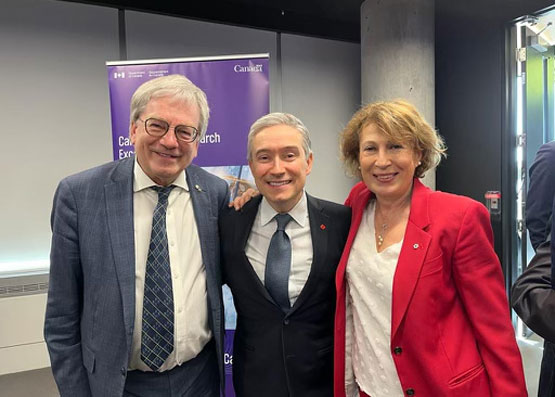 Dr. Mona Nemer joined Dr. Rémi Quirion, Chief Scientist of Québec, and The Honourable François-Philippe Champagne for the announcement of the Canada First Research Excellence Fund in Montreal on April 28, 2023.
Although it is spoken by more than 300 million people worldwide, French is nonetheless losing ground against the predominance of English in disseminating scientific knowledge, particularly in the natural and life sciences. There is no simple solution to this challenge, which has been shared by all languages other than English over the past half-century. In fact, although research teams often use the language of the country in which their research activities are located, they still choose to publish their research findings in English in order to reach a maximum number of scientists around the world.
In 2023, the Chief Science Advisor, in response to the Parliamentary Standing Committee on Science and Research, provided recommendations to encourage greater support for French-language science in Canada. Dr. Nemer wrote that, as a bilingual nation, “It is essential for Canada to maintain the vitality of French as a language of research, to facilitate access to knowledge expressed in French and to foster a civic dialogue in French in Canada and throughout the Francophonie.” She encouraged MPs to consider a number of measures, including:
- Support scientific research in Francophone communities and encourage the establishment of Francophone researcher networks.
- Work with existing organizations such as the Association Canadienne-française pour l’avancement des sciences (Acfas). One potential collaboration with Acfas would be the publication in French of plain-language scientific articles that summarize the state of knowledge for both decision-makers and the general public.
- Harness the power of artificial intelligence to develop sophisticated online tools to translate scientific articles from French to English and vice-versa.
Women in Science, Technology, Engineering and Math
The Chief Science Advisor speaks periodically on the systemic barriers that have resulted in the under-representation of women in the STEM disciplines. This past year saw the publication of a book entitled The Chairs for Women in Science and Engineering Program: Thirty Years of Action Across Canada, from 1989 to 2021. The book is a history of the groundbreaking Chairs for Women in Science and Engineering Program established by the Natural Sciences and Engineering Research Council. Dr. Nemer authored the foreword to the book, in which she lauded the substantial progress made to date, while pointing towards the progress still to come.
“Although women outnumber men in undergraduate university enrollments in Canada,” Dr. Nemer writes, “fewer women than men enroll in STEM programs, and at every subsequent stage their proportion gets smaller still: graduate enrollment, faculty positions, middle and senior management in both the public and private sectors — a leaky pipeline with multiple holes throughout its length.”
Throughout 2023-24, Dr. Nemer engaged in numerous other activities promoting women in science as she has done since taking up her role.
Women in STEM Symposium
The 2024 Celebrating the Success of Women in STEM Symposium was co-hosted by the National Research Council Canada and the Office of the Chief Science Advisor of Canada to mark the International Day of Women and Girls in Science. Under the theme Women, sustainability and climate solutions, the symposium highlighted the essential role that women and other underrepresented groups play in addressing climate change and sustainability.
Now in its fifth edition, the Celebrating the Success of Women in STEM Symposium is the brainchild of Dr. Geneviève Tanguay, Vice-Chief Science Advisor of Canada, whose vision has been instrumental in creating this platform to celebrate and empower women in science. The symposium underscores the importance of diversity and inclusion in STEM while providing attendees with opportunities to learn, connect, and contribute to advancing solutions to pressing issues.
Youth Council
In June 2023, the OCSA revealed the new cohort of the Chief Science Advisor’s Youth Council. Following a highly competitive application process, 16 successful applicants representing all parts of the country were selected. The OCSA Youth Council’s mandate is to inform the Chief Science Advisor on issues and challenges facing the scientific community from the perspective of youth. Youth Council members engage with each other on a variety of scientific topics on a monthly basis and share their perspectives with the Chief Science Advisor regularly. They also frequently participate in conferences and outreach activities, building on and sharing their knowledge and experiences alongside OCSA staff.
In the first year of their mandate, a group of Youth Council members authored an op-ed for the November 2023 edition of Canadian Science Policy Magazine entitled “From students to stakeholders: The rise of youth engagement in science policy.” A number of Youth Council members also participated in the 2023 conference of the Canadian Science Policy Centre.
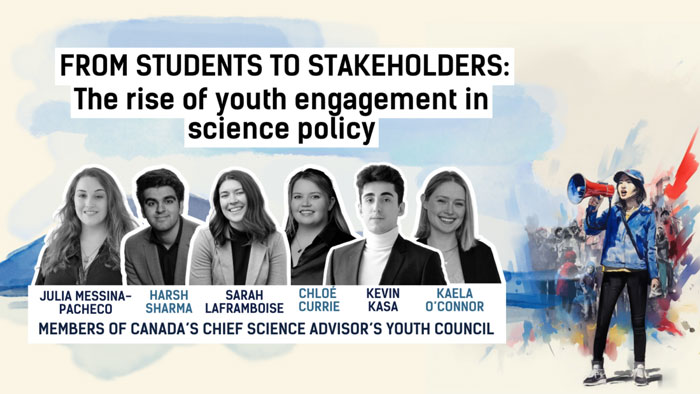
The Chief Science Advisor’s Youth Council authored an op-ed on youth engagement in science policy.
Science Meets Parliament
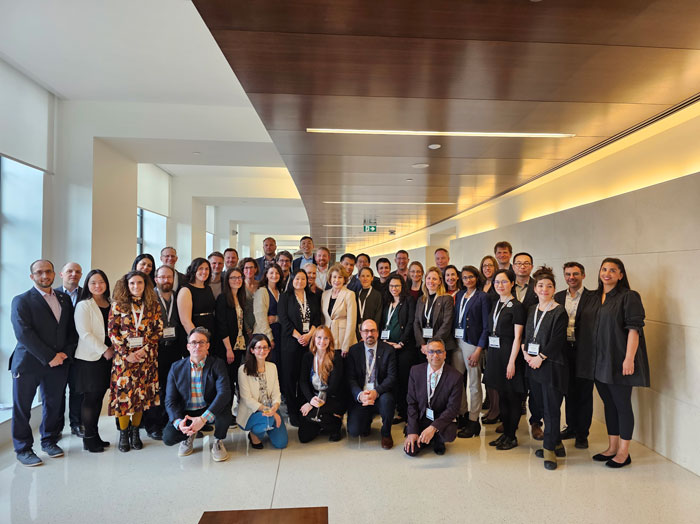
On May 2–3, 2023, 43 scientists participated in the Science Meets Parliament initiative. Dr. Mona Nemer, in her remarks, emphasized the critical role of science in building a healthy, safe, and sustainable society while preparing future innovators, policymakers, and citizens: “In the coming years, science and research will be needed more than ever to help us build a healthy, safe and sustainable society while providing exceptional training for tomorrow’s talented workers, innovators, entrepreneurs, policymakers and engaged citizens. Together we can build a society that promotes science and its use to the benefit of a more equitable and prosperous Canada.”
Science Meets Parliament brings Parliamentarians together with a select group of top Canadian scientists, once a year in a non-partisan spirit, for two days of exchange and discussion. The objective is to foster a science-policy dialogue and enhance translation of research in support of public policies.
This year’s event took place on May 2 and 3, 2023. A total of 43 scientists attended meetings of the House Committees that were in session to experience the workings and routines of Canada’s federal MPs, then met one-on-one with Parliamentarians to tell them about their research and engage with them on how research can support their work. Their program also included eight training sessions covering topics such as government structure, policy making, science communication and EDI in science.
Future Directions
The citizen science movement has become global in scale, with countries around the world establishing support networks, grant programs, and even legislation to support it. In 2017, the United States passed the Crowdsourcing and Citizen Science Act, which aims to promote innovation through open and voluntary collaboration. Both the European Union and the United States currently fund major citizen science projects, and Australia has established a citizen science association, while Germany has developed a federally funded, centralized platform to promote scientific participation. Both Belgium and the Netherlands have implemented processes to facilitate public and professional input into their national research agendas.
For its part, the Government of Canada maintains a citizen science portal where people can list their research projects, while individual departments and agencies, including the Public Health Agency of Canada and Agriculture and Agri-Food Canada, are engaging citizen groups in some of their research. Canada would benefit from a more proactive and intentional approach to citizen science.
The Chief Science Advisor supports the five recommendations made by the Standing Committee on Science and Research in its report The Role and Contribution of Citizen Scientists, namely:
- Integrating the data and results of citizen science projects into the government’s own research programs.
- Supporting citizen science projects on lands managed by the government, including national parks.
- Investing in public communications efforts to encourage greater citizen participation.
- Including civic engagement in the criteria for evaluating funding applications to Canada’s three granting councils.
- Increasing funding to enhance the capacity of organizations conducting citizen science projects.
In addition to these, the OCSA would also recommend adopting provisions to encourage citizen science in French. The OCSA also encourages provincial governments to include citizen science in its elementary and secondary school science curricula.
Opening up science to non-professionals enhances science literacy for people of all ages. It also improves public understanding of the evidence used to make policy decisions, which in turn helps to establish greater trust in institutions and combat disinformation and misinformation. Given its many benefits, the Chief Science Advisor strongly recommends establishing a robust national citizen science program.
Appendix A - Departments’ and agencies’ scientific activity
The list below shows the top federal departments and agencies in Canada in terms of expenditures in scientific research and development.
| ($ millions) | |||
|---|---|---|---|
| 2021-22 | 2022-23 | 2023-24 | |
| National Research Council Canada | 1436 | 1471 | 1548 |
| Canadian Institutes of Health Research | 1384 | 1337 | 1361 |
| Natural Sciences and Engineering Research Council of Canada | 1408 | 1382 | 1318 |
| Environment and Climate Change Canada | 936 | 996 | 1266 |
| Social Sciences and Humanities Research Council of Canada | 1016 | 1063 | 1162 |
| Natural Resources Canada | 768 | 809 | 1075 |
| Innovation, Science and Economic Development Canada | 834 | 885 | 996 |
| Global Affairs Canada | 1007 | 928 | 831 |
| National Defence | 628 | 632 | 682 |
| Statistics Canada | 1011 | 842 | 652 |
| Health Canada | 540 | 567 | 578 |
| Agriculture and Agri-Food Canada | 543 | 560 | 547 |
| Canada Foundation for Innovation | 376 | 401 | 509 |
| Canadian Space Agency | 330 | 456 | 492 |
| Public Health Agency of Canada | 384 | 436 | 473 |
| Fisheries and Oceans Canada | 463 | 470 | 445 |
| Sub-Total | 13064 | 13235 | 13935 |
| Other departments and agencies | 1936 | 2164 | 2481 |
| Total | 15001 | 15397 | 16415 |
All data is from Statistics Canada: Table 27-10-0026-01, Federal expenditures on science and technology by major departments and agencies - Intentions. Release date June 27, 2024. The last year of data in this table represent preliminary estimates, reported at the time of data collection.
Appendix B - Current members of the Departmental Science Advisors Network
| Name | Title | Organization |
|---|---|---|
| Tim Haltigin | Interim Science Advisor to the President | Canadian Space Agency (CSA) |
| David Hik | Chief Scientist and Executive Director, Programs | Polar Knowledge Canada (POLAR) |
| Jennifer Winter | Departmental Science Advisor | Environment and Climate Change Canada (ECCC) |
| Sarah Viehbeck | Chief Science Officer | Public Health Agency of Canada (PHAC) |
| Marc Saner | Departmental Science Advisor | Natural Resources Canada (NRCan) |
| Paul Snelgrove | Departmental Science Advisor | Department of Fisheries and Oceans (DFO) |
| Valerie Taylor | Departmental Science Advisor | Health Canada (HC) |
| Joel Martin | Chief Science Officer and Chief Digital Research Officer | The National Research Council (NRC) |
| Sriram Narasimhan | Departmental Science Advisor | Transport Canada |
| Kate Kaminska | Chief Scientist | Defence Research and Development Canada (DRDC) |
Appendix C - Members of the CSA’s Youth Council
- Noor Al Kaabi
- Nathaniel Bechard
- Chloé Currie
- Louis-Alexandre Fournier
- Kevin Kasa
- Sarah Laframboise
- Julia Messina-Pacheco
- Kaela O'Connor
- Nishi Patel
- Teodora Riglea
- Harsh Sharma
- Kartik Sharma
- Pahul Singh
- Matthew Taylor
- Anh-Khoi Trinh
- Joshua Wicks