
Download the alternative format
(PDF format, 21.57 MB, 58 pages)
Organization: Office of the Chief Science Advisor
Published: 2025
Table of Contents
- Message from Canada’s Chief Science Advisor
- Introduction: Strength Through Science
- 1. Arctic and Polar Science
- 2. Health Sciences
- 3. Environmental Sciences
- 4. Emerging and Transformative Technologies
- 5. Sovereignty and Security
- 6. The State of Science in Canada
- Appendix A: Departments’ and Agencies’ Scientific Activity
Message from Canada’s Chief Science Advisor
Building Resilience at Home, Collaboration Abroad
In 2024, Canadian science continued to demonstrate its vital role in shaping our economy, strengthening our society, and building our connections to the world. From advances in clean technology and artificial intelligence, to new discoveries in health research, to the monitoring of our Arctic, ocean and freshwater ecosystems, Canadian researchers are not only driving discoveries at home but also helping to address the challenges we face collectively as a global community.
Science can be a cornerstone of national prosperity, and we continue to see several jurisdictions around the world benefiting from this. Science fuels industries, creates high-quality jobs, and enables us to compete in a rapidly changing global economy. At the same time, science is far more than an economic asset. It is also a language of trust and cooperation — one that allows Canada to engage constructively with its international partners. In an era of shifting political currents, scientific collaboration provides continuity and builds bridges across borders.
The challenges we confront today are complex: climate change, geopolitical uncertainty, rapidly evolving technologies, and the need to safeguard health and security in an interconnected world. Meeting these challenges requires resilience. But resilience does not mean isolationism. No country can afford to turn inward, because no country can solve these problems alone. Science diplomacy has never been more essential — as a tool for dialogue, for problem-solving, and for strengthening our collective capacity to act.
Canada is committed to this collaboration and its role in advancing open science, ensuring that knowledge is accessible and that discoveries benefit society broadly. At the same time, we must remain attentive to research security and the responsible management of scientific partnerships. Balancing openness with vigilance is not a contradiction, but a necessity — one that will allow us to remain a trusted and reliable partner in international research.
As you will see in the pages that follow, my office has worked throughout the past year to ensure that science continues to serve the public good, strengthen decision-making, and enhance the wellbeing of all Canadians. I hope this report offers both insight and inspiration, and that you find in these accomplishments a reflection of the vital role that science plays in shaping a resilient, prosperous, and forward-looking Canada.
Mona Nemer
Chief Science Advisor
Introduction: Strength Through Science
It is not a coincidence that, for much of the 20th century and well into the 21st, the countries that led the world in scientific capability and technological adoption — Canada among them — also enjoyed some of its highest standards of living.
The evidence of the connection is everywhere, and omnipresent. Support for the pure and applied sciences has translated into the modern infrastructure networks that provide clean drinking water, electricity, and digital connectivity. Science has enabled the continuous advancement of industrial activity and productivity, from mining to manufacturing. Scientists have developed medical treatments that keep disease at bay, ensure quality of life and support innovation in our health care systems. In every facet of living, science has been an enabler and facilitator of technological change that has contributed to ongoing prosperity.
Today, Canada is confronting a series of issues that include affordable housing, lagging economic competitiveness, a changing geopolitical landscape, and threats to national sovereignty. Canada can deploy its scientific capabilities to help address these challenges. Those capabilities can be found in the private sector, in academic institutions, and within government itself: the federal government employs more than 30,000 people in science and technology functions.
Several countries, recognizing the impact of research on economic productivity and prosperity, have moved swiftly to sharpen their research and development strategy, backing it with increased investment in science, technology and innovation, as they seek higher global standing and standards of living. Canada can do the same.
The Office of the Chief Science Advisor (OCSA) was established in 2017 to advise government on matters related to science. It is an ambitious endeavour that touches the workings of multiple government departments, relationships with the academic and private sectors, and the country’s international collaborations. But it is also strictly advisory: the OCSA’s role is to facilitate the use of science for decision-making, and to advise on ways to enhance the quality and impact of Canadian science.
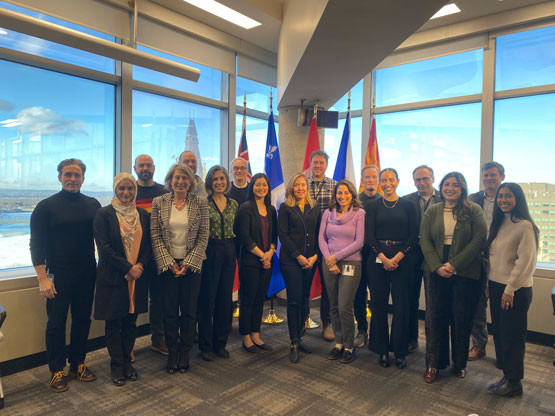
Supporting Canadian science: Dr. Mona Nemer (fourth from left) and the OCSA team, 2025.
About this Annual Report
Over the past year, the OCSA has engaged with more than two dozen departments and agencies within the federal government, as well as with academic institutions within and outside Canada, and with numerous foreign governments and their respective science advisors. Through its work, the OCSA has supported the advancement of national priorities across five different themes, which form the chapters of this Annual Report:
- The Canadian Arctic: using polar research to exercise Canada’s territorial sovereignty.
- Health sciences: preparing for future pandemics, while promoting good health now.
- Environmental and climate change science: establishing policies and procedures that facilitate economic development while preserving natural habitat and biodiversity.
- Emerging technologies: ensuring Canada’s place at the global forefront of high-impact innovations from nuclear fusion to artificial intelligence.
- Security and sovereignty: safeguarding Canadian research and data while promoting international partnerships.
In each of these areas, the OCSA has fulfilled the four pillars of its mandate:
- Science advice: establishing structures and pathways to provide decision-makers with advice from scientists both inside and outside the federal government.
- Science promotion: supporting technology adoption and research excellence across the public and private sector and making government-sponsored research more accessible.
- Science diplomacy: promoting Canada’s scientific capabilities as an asset in its diplomatic relationships and an advantage in international collaboration.
- Science champion: engaging Canadians on scientific issues and on the value of science in Canada’s security and prosperity.
Departmental spotlight
Federal scientists and science advisors:
A year of achievement
The OCSA is not the sole federal organization focused on science, and the Chief Science Advisor is not the government’s sole purveyor of science advice. There are numerous federal government departments and agencies whose work is primarily scientific in nature (see Appendix A). Ten of those organizations have their own Departmental Science Advisor (DSA), part of the DSA Network established by the OCSA in 2017.
Every year, federal government scientists make new discoveries, apply new scientific knowledge, and foster innovation through their work, while DSAs advance new policies and programs to strengthen the research conducted within their departments and the science advice that flows to decision-makers. This year’s Annual Report profiles a series of selected highlights to paint a more vivid picture of the role science plays in government operations.
1. Arctic and Polar Science
Canada’s Arctic has become a focal point for the issue of territorial integrity. Canada claims the vast and sparsely populated Arctic region as its own, accounting for 40% of its total land area and 70% of its coastline. But Canada’s claim is not universally recognized, least of all by major geopolitical powers. Russia has built up its military capabilities in the far north. China has declared itself a “near Arctic” state; two Chinese icebreakers travel regularly in the region. The United States has never recognized Canadian sovereignty over the Northwest Passage, insisting that it is an “international strait” allowing for freedom of navigation.
From the perspective of science, conducting boots-on-the-ground and technology-assisted research is an important way for Canada to peacefully assert its sovereignty over its northernmost reaches, particularly when that research involves the active participation of local and Indigenous populations. That research can also take the form of international collaborations led by Canadian scientists and facilitated by Canadian research infrastructure in the North.
Canada’s claim to the Arctic relies, in no small part, on the ability to demonstrate to the world that we have devoted significant resources to studying it, and that we know it better than anyone. Throughout the past year, the Office of the Chief Science Advisor (OCSA) has worked to bolster Canada’s research presence in the Arctic, the role of science in Arctic policy, and diplomatic efforts to promote international research collaboration.
Embedding Science into Canadian Arctic Policy
Numerous federal government departments are engaged in Arctic and polar research, including Natural Resources Canada, National Defence, Environment and Climate Change Canada, Fisheries and Oceans, and more. Each has its own specific interests related to Arctic research; at the same time, there are always overlapping priorities and a need for increased knowledge-sharing and coordination.
Part of the Chief Science Advisor’s mandate is to assess and recommend ways for the federal government to better support quality scientific research within the federal system. Efforts initiated by the OCSA led, in August 2024, to the creation of a federal working group on Arctic Science and Technology to share information and streamline governance for federal research activities in the north. In early workshops, the OCSA guided the working group’s efforts to establish an inventory of activities and identify areas for coordination.
After establishing the new working group’s foundations, the OCSA passed the leadership to Polar Knowledge Canada, a departmental corporation of Crown-Indigenous Relations and Northern Affairs Canada.
Modernizing the Polar Continental Shelf Program
As described in last year’s Annual Report, the OCSA published a series of recommendations for the Polar Continental Shelf Program (PCSP), Canada’s centre of excellence in northern research logistics. From its hub in Resolute Bay, the PCSP provides the planning and logistical support that scientists need to conduct field research in the region’s often inhospitable climate and geography. The OCSA recommended the modernization of the PCSP through increased engagement with local populations, the incorporation of new digital technologies, and the adoption of a decentralized network approach to infrastructure and logistics that would broaden its geographical range.
This past year, the OCSA followed up on its PCSP report on numerous occasions, measurably advancing the cause of Arctic research.
- In an April 2024 interview, the Chief Science Advisor told Research Money that in Canada, “We don’t really have a clear strategy that sets out for everyone the elements that we want to address in our Arctic or in our polar research.”
- The PCSP became a front-and-centre topic for the federal Arctic Science and Technology working group’s deliberations as it sought to better coordinate the government’s Northern research.
- On the political side, the PCSP report was among the source documents behind the December 2024 report of the House of Commons Standing Committee on Science and Research, entitled Science and Research in Canada’s Arctic in Relation to Climate Change.
Enhancing Arctic research safety
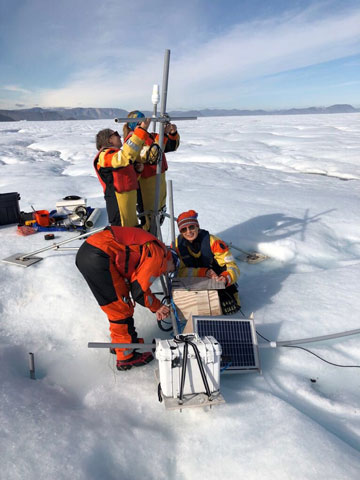
Research safety: Dr. Mona Nemer assists in dismantling scientific equipment used in an experiment on an ice island in Canada’s Arctic.
The pursuit of field research often entails a measure of physical risk, from wildlife encounters to exposure to the elements. These concerns are heightened in the Arctic and exacerbated by climate change, which is introducing new hazards, adding a measure of unpredictability to an already hostile environment for researchers — all at a time when more scientists than ever before are conducting Arctic research.
Most recently, in August 2023, an experienced University of Alberta Arctic researcher, Maya Bhatia, died while working on a glacier in Canada’s High Arctic. Her loss, and that of several other prominent Arctic scientists over the past decades, are stark examples of the many risks that all researchers take for the pursuit of globally important knowledge in Canada’s north.
In early 2025, the OCSA began planning and mobilizing resources to establish a roundtable on Arctic research safety and make recommendations to improve safety for all researchers working in Canada’s northern and Arctic regions.
International Engagements and Diplomacy
Throughout 2024, the OCSA supported Global Affairs Canada as they developed Canada’s new Arctic Foreign Policy, which prominently foregrounds issues related to research. Announced in December by then Foreign Affairs Minister Mélanie Joly, the new policy commits the government to:
- Appoint a dedicated Arctic ambassador to serve as Canada’s Senior Arctic Official, whose responsibilities would include collaboration with the OCSA on science and research-related matters.
- Consider foreign research in the Arctic through the lens of national security.
- Increase support for bilateral and regional cooperation with the Nordic countries (Denmark, Iceland, Finland, Norway and Sweden) on Arctic science and technology, among other areas.
- Strengthen engagement with the European Union, United Kingdom and other key North Atlantic states, with a focus on science, technology and innovation.
The OCSA’s work in science diplomacy reached beyond policymaking at home. In March 2024, the CSA, alongside the Departmental Science Advisor of Polar Knowledge Canada, Dr. David Hik, participated in a science mission to Norway. Some segments of that mission were part of a trilateral engagement that included the United States Department of Homeland Security.
This year, the OCSA engaged in further discussions with U.S. counterparts in the White House Office of Science and Technology Policy in June 2024 to identify further areas of potential collaboration in the Arctic.
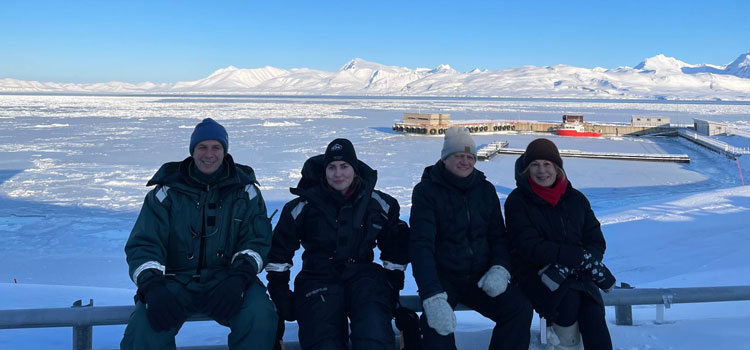
Science Mission to Norway: Dr. Mona Nemer (right) sits with Dr. Dimitri Kusnezov, Under Secretary for Science and Technology, U.S. Department of Homeland Security; Camilla Brekke, Director, Norwegian Polar Institute; and Ivar B. Prestbakmo, State Secretary to the Norwegian Minister of Research and Higher Education.
The OCSA also participated in numerous international conferences to advance Canada’s leadership in Arctic science internationally.
Chief Science Advisor Dr. Mona Nemer delivered remarks at the German Embassy in Ottawa in honour of the Arctic Pulse Initiative, a Canadian-led international science collaboration, where she used the opportunity to highlight Canada’s newly released Arctic Foreign Policy.
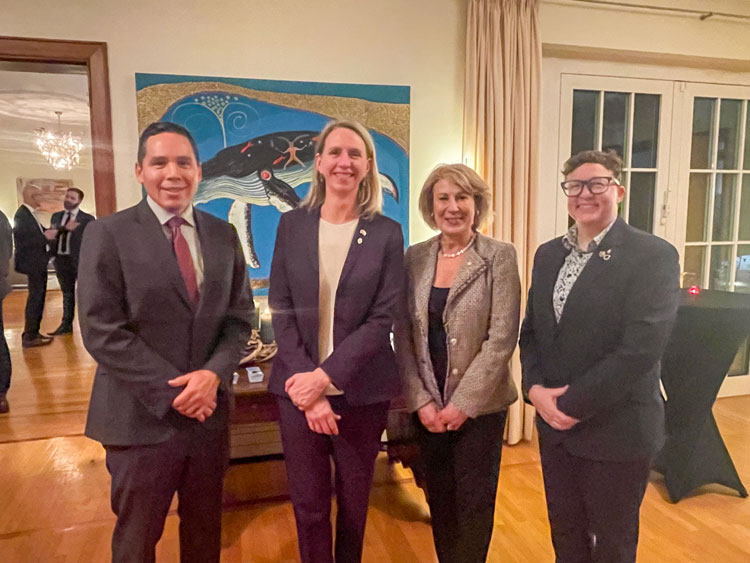
Celebrating Arctic Pulse: (L–R) Natan Obed, President, Inuit Tapiriit Kanatami; Tjorven Bellmann, German ambassador to Canada; Dr. Mona Nemer; and Dr. Jackie Dawson, Arctic Pulse Initiative.
Vice-Chief Science Advisor Dr. Geneviève Tanguay participated in a panel at the annual ArcticNet conference, which brought together 1,700 members of the global Arctic science community in Ottawa in December 2024.
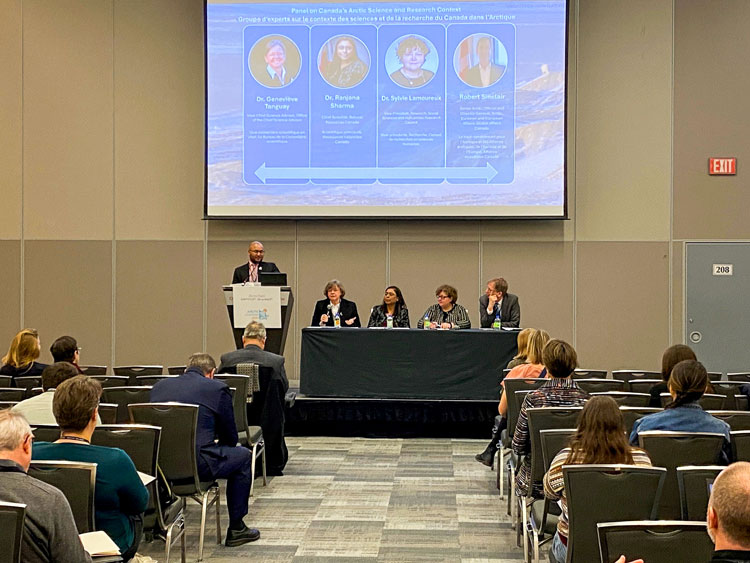
ArcticNet: Dr. Geneviève Tanguay addresses shifting practices and emerging needs in Arctic Research.
Dr. Tanguay also gave a keynote address to the December 2024 conference of the Canada–Inuit Nunangat–United Kingdom Arctic Research Programme, known as the CINUK Conference.
Looking Ahead
Arctic research is an increasingly important and active area of endeavour for scientists around the world. The volume of research activity has grown steadily in recent years: the number of Arctic-related research publications in 2020 was four times what it was in 2000, double the rate of growth for research publications writ large. The OCSA will continue to support Canada’s global leadership in Arctic science and research.
Departmental spotlight
National Defence:
The Gray Jay Pathfinder mission
In January 2025, Canada’s Department of National Defence (DND) launched three research and development microsatellites into low earth polar orbit. Known as the Gray Jay Pathfinder mission, the satellites will allow the Canadian Armed Forces to detect and capture images of trespassing ships and other anomalies. The Gray Jay Pathfinder mission is a partnership between Defence Research and Development Canada (DRDC) and the Space Flight Laboratory at the University of Toronto Institute for Aerospace Studies, which built the satellites and operates the array.
Building on this initiative, DND’s Departmental Science Advisor, Dr. Kate Kaminska, is leading the revitalization of CSNet, which brings together the Chief Scientists from DRDC’s 10 Research Centres. As a first initiative, CSNet is implementing policy measures to strengthen engagement between DRDC researchers and Canadian academic institutions.

Dr. Kate Kaminska, Departmental Science Advisor, Department of National Defence
2. Health Sciences
More than any other event, the covid-19 pandemic demonstrated the importance of government preparedness for health emergencies and their potential social, economic, and political ripple effects. Governments around the world, Canada among them, instituted broad public health measures; mobilized scientific knowledge and capability; supported research into the disease; spurred the development, production and distribution of medical countermeasures; and implemented income supports, travel restrictions, and border measures.
This remarkable breadth of government action, taken on a global scale, had never been seen before in response to a health emergency. The role of science advice in policymaking, the need for external expertise within the halls of government, and the importance of scientific and clinical research in advancing knowledge of a novel pathogen, all took on new prominence.
The lessons from that time are still being uncovered through long-term study and applied in action. The Office of the Chief Science Advisor (OCSA) has been working steadily to ensure that these lessons will be used to shape future government response for the better. Its work falls broadly under four interrelated dimensions:
- assessing the aftermath of recent health emergencies;
- exercising vigilance in the face of emerging infectious disease threats;
- building for the future; and
- promoting international collaboration for coordinated response.
Aftermath: Understanding Long Covid
The SARS-CoV-2 virus continues to evolve and circulate and remains a public health risk. Post covid 19 condition, also known as long covid, continues to impact a significant proportion of the population, with 1 in 5 Canadians having reported long-term symptoms following a SARS-CoV-2 infection, according to a 2023 survey.
In 2022, the OCSA convened a Task Force on Long Covid to examine the emergence of this new affliction and assess potential responses. Recent evidence and the Task Force’s deliberations led to the publication of a report entitled Post-COVID-19 Condition in Canada: What we know, what we don’t know, and a framework for action. The report was one of the first to consolidate long covid knowns and unknowns and propose a useful framework to guide future action.
This year, the Task Force reconvened to discuss recent scientific developments, and the Chief Science Advisor published a follow-up report, Dealing with the Fallout: Post-COVID-19 Condition and Its Continued Impact on Individuals and Society. Taking into account the growing body of research on long covid, Dealing with the Fallout provides an updated list of recommendations for clinical care, research and policy. Above all, Dealing with the Fallout stresses the importance of addressing knowledge gaps through scientific study to help people suffering from long covid and reduce its significant socioeconomic impact within Canada.
As the report’s conclusion notes, “Evidence shows us that for both seasonal influenza and covid-19, the burden of the long phase of illness eclipses the challenges raised by the acute phase.” The emergence of long-term illness in the wake of the pandemic “is a reminder that long-term health and socioeconomic impacts of infectious disease epidemics and pandemics must be part of emergency planning, management and recovery. The next pandemic threat may not be far away.”
Vigilance: The Potential Risks of Avian Influenza
Since 2024, a newly circulating avian flu virus strain, H5N1 clade 2.3.4.4b, is increasingly spreading beyond wild birds to an unprecedented number of land and marine mammals globally, including dairy cattle in the United States. It is having a devastating effect on the welfare of birds and other animals with increasing impact on the agrifood sector. The virus’ spread among animals has proven difficult to contain.
The new H5N1 virus clade can spread to people through contact with infected animals, making it an occupational hazard for farm workers, veterinarians and those handling wild species. So far, there is no evidence of person-to-person transmission, but the current circulating H5N1 strain has the potential to evolve into a virus capable of widespread infection and severe illness in people with little forewarning.
In May 2024, the Chief Science Advisor convened a meeting of federal organizations involved in emergency preparedness to discuss the avian flu outbreak and identify research and science-related needs and measures to help mitigate the spread and impact of avian flu in Canada. For the first time, the meeting brought together a diverse set of 15 federal departments and agencies whose work is impacted by the global avian flu animal outbreak, including the Canadian Food Inspection Agency and the Public Health Agency of Canada.
As a result of the meeting, an agreement was reached to establish a coordinated federal research approach with regards to avian flu. In February 2025, the OCSA published a report entitled Managing Avian Flu: A Science Roadmap and Action Plan, intended to serve “as a guide for collaborative avian flu scientific action to optimize the interconnected health and wellbeing of humans, animals and the environment.” The report proposes 14 specific actions, grouped under four essential tasks: data collection and analysis; fundamental knowledge of virus–host interactions; medical countermeasures; and platforms for monitoring, knowledge-sharing, and communication.
Prior to publication, the roadmap was presented as a helpful tool at the Public Health Agency of Canada Expert Panel on Avian Influenza A(H5Nx). The roadmap’s presentation allowed federal partners to harmonize their current and planned actions, and to clarify research priorities under a One Health approach. The report identified key research priorities, including understanding the efficacy of existing H5N1 virus medical countermeasures; rapid test, vaccine and anti-viral development and manufacture; and the prevention and treatment for H5N1 in animals.
Departmental spotlight
Canadian Institutes of Health Research:
Rapid funding response to avian influenza
The CIHR’s Centre for Research on Pandemic Preparedness and Health Emergencies (CRPPHE) has a mandate to build on Canada's research strengths related to pandemics and public health emergencies. The CRPPHE’s Steering Committee, which includes the Chief Science Advisor, is made up of individuals involved in public health and emergency response from across Canada.
In 2024, the CRPPHE initiated a rapid funding response to provide $5.2 million to 35 research projects to help Canada prevent, prepare for, recover from and respond to outbreaks of avian influenza. In addition, the CRPPHE invested $13.8 million to support a new cohort of Applied Public Health Chairs.
The CRPPHE also launched the Pandemic Research Platforms Interim Funding Opportunity to support existing research platforms in Canada that respond to pandemics and other acute communicable public health threats, with up to $17 million available for approximately 6 grants.
Building for the Future: Canada’s Capacity to Develop and Manufacture Medical Countermeasures
Building a post-pandemic future for Canada means establishing Canada's competitive position in applied life sciences on the global stage. In September 2024, Health Emergency Readiness Canada (HERC) was launched to provide a sustained focus on advancing life sciences innovation that responds to health threats, building on the investments committed under Canada’s Biomanufacturing and Life Sciences Strategy. The OCSA contributed to shaping HERC structures and priorities.
Science and research are at the core of domestic biomanufacturing capacity, ensuring that Canadians have access to the medical countermeasures necessary to prevent and manage emergencies, as well as to protect national security. Medical countermeasures include tests to rapidly identify infectious pathogens; vaccines to prevent disease; and therapeutics such as antiviral medications and monoclonal antibodies, as well as new antibiotics to reduce antimicrobial resistance.
To help advance this work, the OCSA identified specific H5N1 science needs for effective medical countermeasures, including rapid tests, effective vaccines and antivirals to better position Canada’s H5N1 response.
Departmental spotlight
Public Health Agency of Canada:
H5N1 analysis published in the prestigious NEJM
On November 8, 2024, a 13-year-old girl was admitted to the pediatric intensive care unit at the British Columbia Children’s Hospital with acute respiratory distress. The Public Health Agency of Canada (PHAC)’s National Microbiology Laboratory in Winnipeg, in collaboration with both the hospital and the B.C. Centre for Disease Control, received culture samples from the patient and confirmed that her illness was due to H5N1 infection — the first such case in Canada.
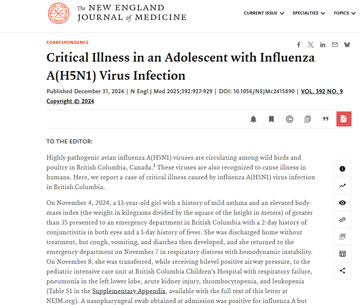
Researchers were able to connect the virus’ subtype as being the same one detected in wild birds in British Columbia, and also to identify markers of the virus’ adaptation to humans. The results of their research were published in the December 31 edition of the New England Journal of Medicine (NEJM). Their work is a formidable example of timely collaboration and data sharing across clinical and public health authorities, and across jurisdictions, on a case of global interest. The patient was released from hospital after several weeks.
In support of PHAC’s further work on H5N1 and other infectious diseases, Departmental Science Advisor Dr. Sarah Viehbeck led efforts to facilitate the engagement of science advice from outside government. Her work led to the creation of PHAC’s 19-member Expert Panel on Avian Influenza, including the participation of the OCSA, which met regularly throughout the past year.

Dr. Sarah Viehbeck, Departmental Science Advisor, Public Health Agency of Canada
Collaboration: Global Pandemic Preparedness
In 2024, Chief Science Advisor Dr. Mona Nemer was appointed Chair of the International Pandemic Preparedness Secretariat (IPPS), succeeding its founding Chair, former United Kingdom Chief Science Advisor Sir Patrick Valance. The IPPS brings together governments, private sector organizations, and global health institutions in support of the 100 Days Mission: an emergency preparedness plan to ensure the rapid development and deployment of diagnostic tests, therapeutics and vaccines in the event of a future pandemic. Dr. Nemer’s position as chair of the 100 Days Mission Steering Committee creates global linkages for Canada through science diplomacy, further supporting Canada’s global pandemic preparedness.
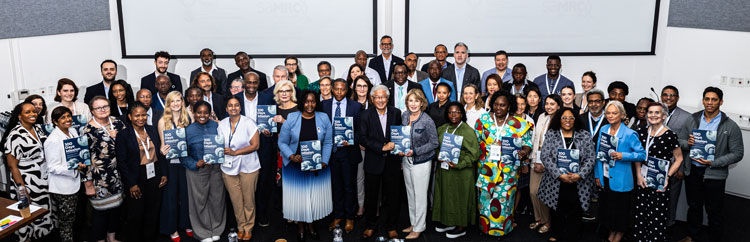
Mission milestone: On January 31, 2025, Dr. Nemer and the IPPS team launched the publication of the 100 Days Mission Fourth Implementation Report, detailing the initiative’s progress to date and priorities for the year ahead.
In her role as IPPS Chair, Dr. Nemer authored a November 2024 op-ed for the UK-based publication The Guardian, assessing the first 100 days following the August 14 declaration of mpox as a Public Health Emergency of International Concern (PHEIC) by the World Health Organization (WHO). “It may not yet be mission accomplished, but we won’t give up,” Dr. Nemer wrote, adding that, “Mpox is testing our resolve and our preparedness.”
The IPPS has also developed a scorecard to track the progress of medical countermeasure availability for all WHO-prioritized virus families with pandemic potential — an initiative that was widely well-received. The scorecard’s latest iteration shows where further effort must be deployed to meet global health security objectives.
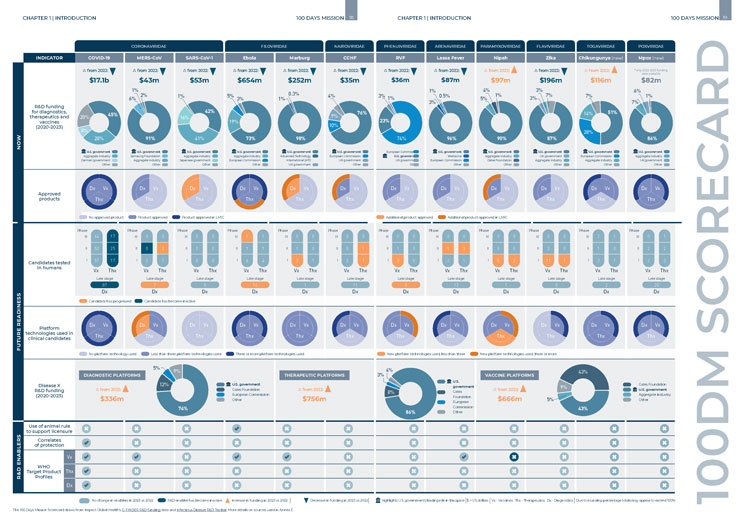
Keeping tabs on pandemic readiness: The IPPS scorecard tracks the state of research, clinical trials, approvals and more for nine different virus families.
The IPPS, an organization initially proposed by G7 leaders, was established in 2021 as an independent entity and is financed by the Wellcome Trust and the Bill and Melinda Gates Foundation. It is slated to conclude its work in 2026.
Dr. Nemer also represented Canada at a series of gatherings held in Brazil, including with the G20 Research and Innovation Ministers in Manaus, and with other Brazilian science leaders in São Paulo, establishing strong connections that can foster rapid global action in future emergencies.


Cooperating on health emergency preparations: Dr. Nemer participates in the ministerial meeting at the G20 Research and Innovation Summit in Manaus. The meeting’s closing communiqué stressed the importance of collaboration “with all countries, particularly developing countries, so that they have the necessary capabilities and enabling environments for preventing and preparing for future health emergencies.”
The Chief Science Advisor also met with Vahan Agopyan, Secretary of Science, Technology and Innovation for the state of São Paulo, and with leaders from the Instituto Butantan, which provides 51 percent of Brazil’s total domestic vaccine output.
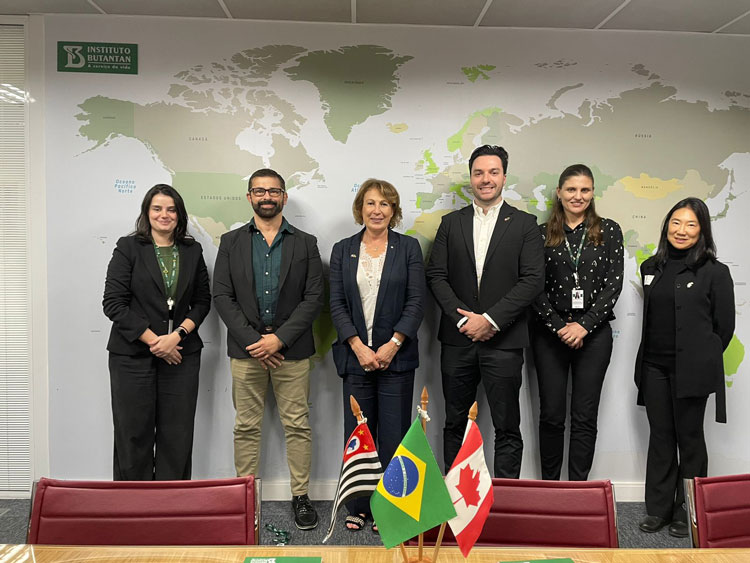
Fostering stronger Brazil–Canada ties: Dr. Nemer visits São Paulo’s Instituto Butantan to learn about Brazil's capabilities in vaccine research and production. The institute operates a biobank designed to store samples for up to 10 years across a national lab network.
Throughout the 2024-25 fiscal year, the OCSA also actively contributed to developing Canada’s position for the WHO pandemic agreement negotiations. The OCSA’s advice emphasized open science, rapid data sharing, the important role of scientific research and development in pandemic preparedness, recommending a One Health approach and global collaboration on access and benefit sharing. That collaboration includes the public, academic and private sectors, so that tests, vaccines and therapeutics are developed through innovative research and development and available and accessible when needed.
Departmental spotlight
National Research Council:
Virtual vital signs
The covid-19 pandemic accentuated the need for technologies that can support virtual consultations between patients and their physicians. Beyond the pandemic, many patients are either unable or unwilling to leave their homes due to age, limited mobility, and other factors.
To meet this need, the National Research Council (NRC)’s Medical Devices Research Centre has developed an application that can take virtual readings of patients’ vital signs. Known as VitalSeer, the app can be installed on patients’ home computers or smartphones to measure their heart rate, respiratory rate and oxygen saturation.
Research has shown that VitalSeer’s readings are on par with contact-based technologies, providing a degree of accuracy unparalleled by existing and competing applications. VitalSeer can provide crucial information for calls to provincial telehealth services, allowing clinicians and caregivers to better assess their patients remotely and determine the next steps in their care pathway. The app also has the potential to keep vulnerable people safe during infectious disease outbreaks or pandemics.
VitalSeer’s development team is now expanding the app’s capabilities to meet the NRC’s Aging in Place Challenge Program, monitoring additional patient attributes such as balance and stability.
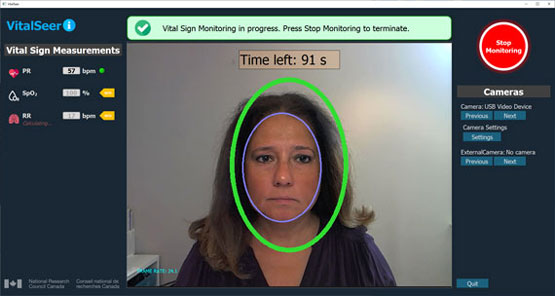
Seeing through technology: VitalSeer provides virtual vital sign readings whose accuracy is on par with traditional diagnostic equipment.
3. Environmental Sciences
Canada is home to an unparalleled natural heritage. The country features the world’s second-largest land mass and its longest coastline. Its mountains, forests, lakes, oceans and other natural features provide habitat for countless wild species. Its natural resources are a source of wealth to harness, and of duty to preserve.
As a result of the country’s size and its environmental diversity, Canada feels the impacts of climate change in nearly every way: wildfires, floods, droughts, landslides, thawing permafrost, sea level rise, biodiversity loss, and beyond.
The Office of the Chief Science Advisor (OCSA) works with a wide range of federal government departments to support Canada’s efforts to mitigate the impacts of climate change and preserve the environment. And since climate change does not recognize national borders, the OCSA also engages with international partners to set common goals and promote greater collaboration.
Preserving Biodiversity
In 2022, as part of its participation in the United Nations’ Fifteenth Conference of the Parties under the Biodiversity Convention (COP 15), Canada became a signatory to the Kunming-Montreal Global Biodiversity (KMGB) framework, which sets out 23 target areas for action to reduce biodiversity loss by 2030. Canada’s 2030 Nature Strategy charts a path for Canada to implement the KMGB Framework domestically.
Environment and Climate Change Canada invited the OCSA to examine three key issues related to the Nature Strategy. For each issue, the OCSA convened roughly 20 national and international experts from academia, government, business and civil society. Over the course of 2024-25, all three expert groups met to devise possible options that can guide the implementation of the Nature Strategy, with reports on each issue to be made publicly available in 2025.
1. A national biodiversity digital data repository and artificial intelligence platform.
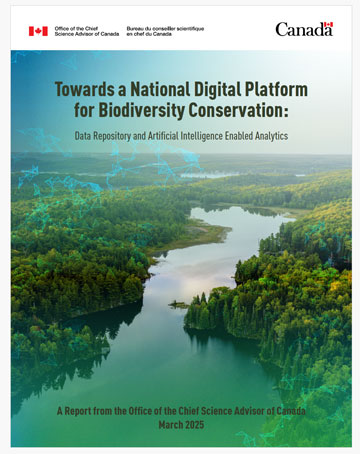
What are the challenges of collecting and managing digital information related to biodiversity? The OCSA’s recommendations, featured in its report published in March 2025, explore the creation of a digital data repository on biodiversity, equipped with a suite of AI tools to assist with analysis, prediction and forecasting.
2. Indigenous-relevant indicators for implementing conservation plans.
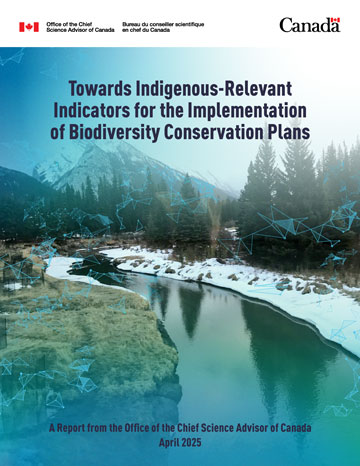
How can Indigenous knowledge systems, Indigenous perspectives on biodiversity, and Indigenous researchers contribute to the implementation of Canada’s biodiversity strategy? The objective is to design a monitoring framework with specific indicators that reflect Indigenous biodiversity values.
3. A comprehensive approach to natural capital accounting.
Natural capital accounting refers to the use of accounting frameworks and methods to calculate total stocks and flows of natural resources and ecosystem services, treating them as assets vital to the economy and society. The objective is to advance new ways to capture the diverse values of Canada’s natural resources and ecosystems so that biodiversity itself, and the natural processes that support it, are properly and measurably valued.
Departmental spotlight
Transport Canada:
Saving the whales by alerting ships
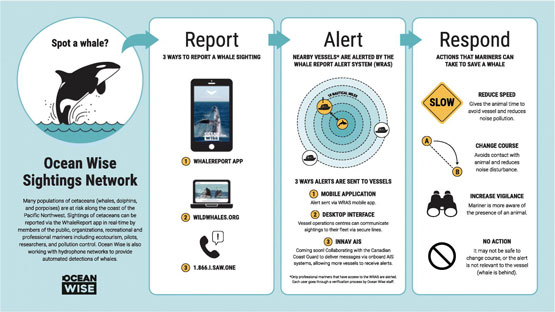
As part of its Quiet Vessel Initiative, in 2020, Transport Canada established a state-of-the-art underwater listening station at Boundary Pass, directly below a major shipping lane. The purpose of the listening station was to monitor the noise from commercial vessels through the pass, to support the protection and recovery of Canada’s endangered marine mammals, including killer whales, who depend upon their hearing for survival.
As it happens, the Boundary Pass listening station also captures the sound of whales as they pass through the area — information that, if deployed swiftly, can help avert potentially deadly collisions and preserve whale populations.
With the help of Transport Canada’s Departmental Science Advisor, Dr. Sriram Narasimhan, who provided advice on emerging data technologies and artificial intelligence for the visual and acoustic detection of whales, Transport Canada now integrates the listening station’s findings into Canada’s OceanWise Whale Alert Report System, a real-time tool that informs commercial mariners about the presence of whales in nearby waters.
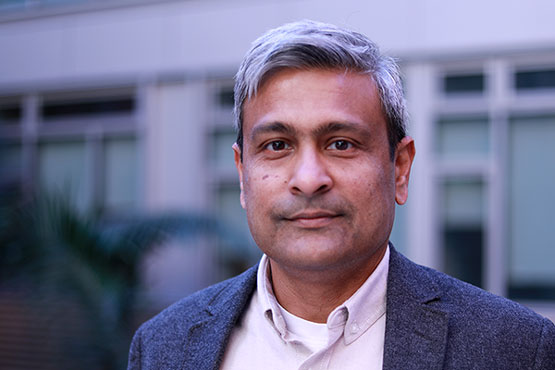
Dr. Sriram Narasimhan, Departmental Science Advisor, Transport Canada.”
Facilitating Environmental Impact Assessment
The Impact Assessment Agency of Canada (IAAC) is tasked with facilitating the sustainable development of major projects, ensuring the protection of the environment and Indigenous rights. Any assessment of environmental impact is invariably based upon scientific research and studies submitted by project proponents, which can include hundreds of claims about project effects, the effectiveness of mitigation against adverse effects, or the extent and significance of adverse effects. Public trust in the assessment process depends, in part, upon the integrity, credibility and transparency of the science brought to support these predictions.
Impact Assessment Tools
For nearly five years, the OCSA has been engaged with the IAAC to improve the integrity, credibility and transparency of impact assessment science by developing tools to assist federal officials in reviewing submitted science. The use of standardized review tools also helps establish predictability and consistency in the review process. In 2024-25, the OCSA developed, refined or contributed to:
- A tool to assist federal officials in prioritizing claims for scrutiny and consideration of their underlying evidence; and
- Technical guidance for proponents to inform the assessment of economic impacts, and to design follow-up monitoring and adaptive management plans.
Roberts Bank Terminal 2
In 2024-25, the OCSA also provided specific assistance to the IAAC for the Roberts Bank Terminal 2 Project, a proposed three-berth marine container terminal in Delta, British Columbia.
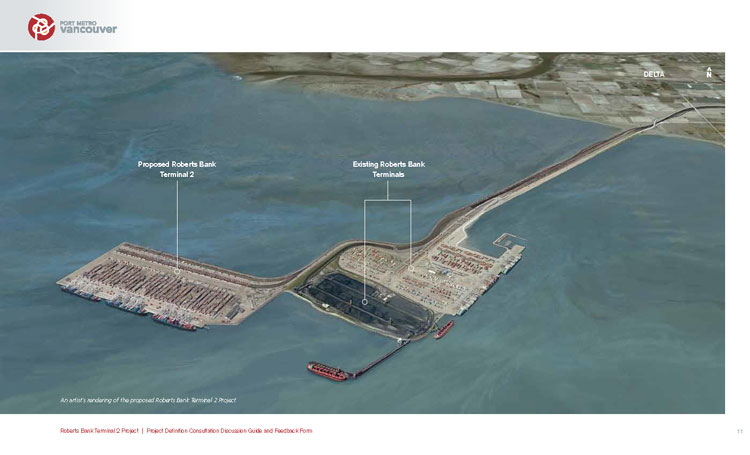
Development and stewardship: Impact assessment is nearing completion for the Roberts Bank Terminal 2 proposal, which will increase the Port of Vancouver’s container trade capacity by 30 percent.
The project’s conditional approval by the IAAC required the Vancouver Fraser Port Authority to design and implement a follow-up monitoring program to verify the project’s predicted and potential adverse environmental impacts, including on the western sandpiper population. To assist in this endeavour, the Chief Science Advisor convened a group of international experts to serve on an Independent Scientific Body to review and advise on the follow-up program for western sandpiper.
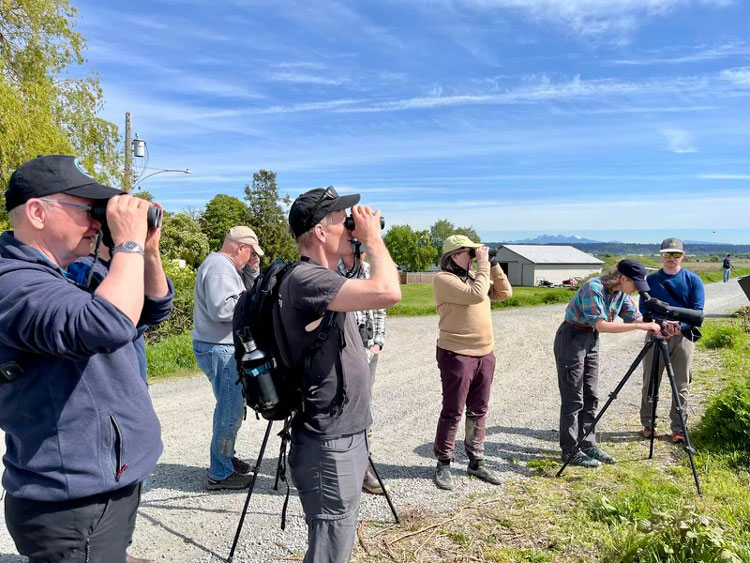
On-site assessment: Members of the Independent Scientific Body, chaired by Dr. Mona Nemer, observe migratory birds during a site visit to the Roberts Bank Terminal 2 project in Delta, B.C.
Championing New Ideas and New Perspectives in Environmental Sciences
Throughout 2024-25, OCSA team members promoted environmental research at several national and international events.
All-Atlantic Ocean Alliance
Canada hosted the 2024 forum of the All-Atlantic Ocean Research and Innovation Alliance, a science diplomacy initiative that unites countries across the Atlantic to enhance marine research and cooperation in innovation. In her keynote address to the forum, the Chief Science Advisor cited the 2018 Ocean Plastics Charter that Canada helped create and which has since been endorsed by 28 countries, calling it an example of how scientific research provides the basis for common solutions.
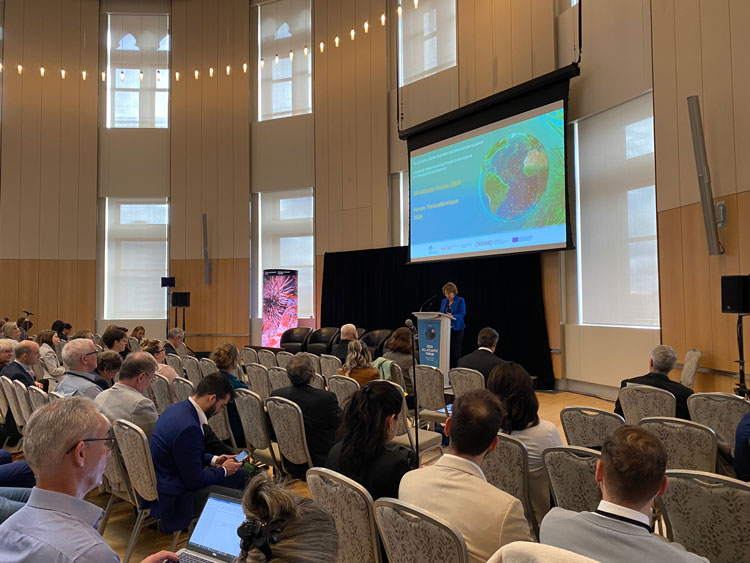
All-Atlantic keynote: “When our governments are being presented with the same data and the same information, it is much easier to reach common conclusions,” Dr. Mona Nemer told the Forum. “In this sense, science can do what may seem impossible. It can bridge the ocean.”
Canadian Science Policy Centre
Since its creation, the OCSA has been a frequent collaborator with the Canadian Science Policy Centre (CSPC). This past year was no different, as members of the OCSA team led or participated in numerous CSPC events throughout the year.
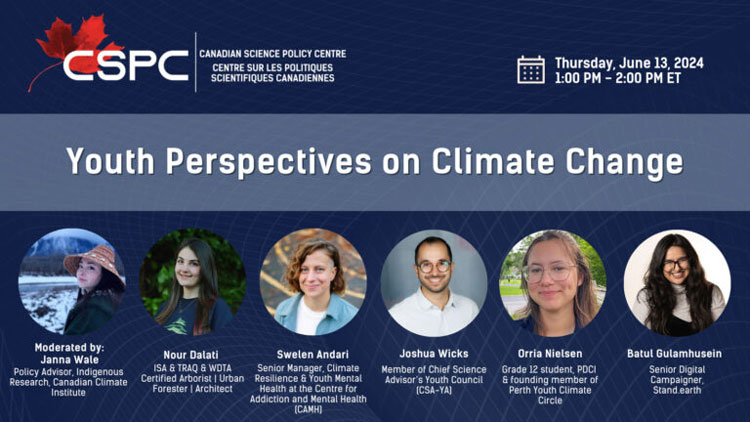
Youth Perspectives on Climate Change: Josh Wicks, a member of the Chief Science Advisor’s Youth Council whose work centres on the decarbonization of chemicals and aviation fuel, was a panelist for the CSPC’s June 14 virtual discussion.
OCSA Researcher in Residence Dr. Kyle Bobiwash, a member of Mississauga First Nation, served as a panelist for two discussions at the CSPC’s annual conference: one focused on northern food sustainability and one on Indigenous knowledge contributions to science, policy, and regulatory practices. The CSPC’s annual conference, held every November, is the premier annual science policy gathering in Canada.

Nourishing Canada’s North: At the CSPC’s annual conference in November, OCSA Researcher in Residence Dr. Kyle Bobiwash (right), an Assistant Professor at the University of Manitoba and a member of Mississauga First Nation, moderated a panel entitled Northern Food sustainability in a changing climate: Identifying the challenges and seeking innovative solutions, policies and practices.
International Engagements
Environmental and climate science is the object of a great deal of bilateral and multilateral collaboration. In its international engagements, the OCSA advances Canada’s interests and values and promotes Canada as a valuable research partner.
United Nations Convention on Biological Diversity
The OCSA provided support to Canadian negotiators for the UN’s Convention on Biological Diversity. In October 2024, OCSA Researcher in Residence Dr. David Castle joined the Canadian delegation to the Convention’s 16th Conference of the Parties (COP 16) in Cali, Colombia, to assist with negotiations regarding digital sequence information on genetic resources (DSI).
As a result of negotiations, the parties agreed to establish a mechanism for pharmaceutical, biotechnology, animal and plant breeding, and other industries that benefit from DSI to share those benefits with developing countries, Indigenous Peoples, and local communities.
Canada–Brazil Collaboration
As an extension of her visit to Brazil for the G20 ministers’ meeting, the Chief Science Advisor met with leaders at the University of São Paulo and its Research Center for Greenhouse Gas Innovation. The meeting focused on shared priority areas for both countries that might prove fertile for future collaboration, particularly biofuels and gas emission mitigation.
The Chief Science Advisor also met with leaders from FAPESP, the São Paulo Research Foundation, which currently funds several research collaborations with Canadian institutions and agencies.
Departmental spotlight
Environment and Climate Change:
Leaning into environmental science and innovation

Dr. Jennifer Winter, Departmental Science Advisor, Environment and Climate Change Canada
The newly adopted Science Strategy 2024-29 at Environment and Climate Change Canada (ECCC), whose implementation has been supported by Departmental Science Advisor Dr. Jennifer Winter, lays out a vision for the department as a source of trusted science and innovation that protects people and the environment.
In 2024-25, Dr. Winter also served as the host of ECCC’s Science Café speaker series, which keeps scientists at ECCC and across the federal government updated on the department’s most recent science programs, discoveries and innovations. This year’s most popular Science Café topics included:
- Understanding the State of Canada’s Birds
- The Future of Cumulative Effects Research
- Plastic Pollution – Our Research and Science
- Linking Chemical Threats to Biodiversity Loss
4. Emerging and Transformative Technologies
The world finds itself at a crucial inflection point for technological innovation and adoption, with the potential for broad social and economic transformation.
- Artificial intelligence (AI) will soon be applied to nearly every working process, from factory assembly lines to financial investing.
- Quantum computing, once it is viable, is expected to provide a dramatic increase in computer power and speed.
- Advances in materials science will lead to stronger alloys and longer-lasting battery power for electric vehicles.
- Self-driving cars may soon be a common feature on roads and highways.
- The transition to clean energy — including wind, solar, tidal, geothermal, and nuclear fusion — will transform current energy markets and infrastructure.
- Environmental technologies could devise ways to extract carbon from the atmosphere, potentially slowing global warming.
These technologies are the subject of intense international competition. Canada must stake out a role in their development to ensure the retooling and modernization of its economy and to maintain its global relevance. That is why the Office of the Chief Science Advisor (OCSA) works to promote the responsible development of such transformative emerging technologies in Canada.
Artificial Intelligence: Promoting Canada’s AI Ecosystem
Canada is an established global leader in the development of artificial intelligence, with major institutes located in Montreal, Toronto and Edmonton. The country ranks 6th in the world for its proportion of top-level AI researchers, whose discoveries and advancements have garnered three Turing Awards and a Nobel Prize to date. It has a robust commercial ecosystem, with numerous AI ventures developing and commercializing AI solutions for a wide range of processes and applications.
The Sovereign AI Compute Strategy
The Government of Canada’s 2024 budget allocated $2 billion over five years to support Canadian researchers and companies working at the cutting edge of AI. The government then engaged in a series of consultations, including with the OCSA — the Chief Science Advisor was a member of Canada’s Advisory Council on Artificial Intelligence until March 2025 — to assess how best to target those funds.
The result of those consultations is the Canadian Sovereign AI Compute Strategy, announced in December 2024, designed to mobilize private-sector investment, expand supercomputing infrastructure, and ensure access to AI compute resources. The Strategy’s emphasis on AI compute infrastructure is especially welcome, a crucial precursor to any Canadian effort at continued global leadership in the field.
Youth Council Initiatives
In 2024-25, the Chief Science Advisor’s Youth Council took a keen interest in issues related to both startup ecosystems and artificial intelligence, demonstrating a strong sense of initiative on the topic.
At the May 2024 conference of Acfas, the Quebec-based association for the advancement of French-language science, Youth Council member Teodora Riglea co-organized a panel discussion exploring AI’s impact on French-language science communication and research.
Youth Council members also organized a panel discussion for the November 2024 conference of the Canadian Science Policy Centre entitled “Staying Power: Cultivating Canada’s Startup Scene for Long-Term Success.”
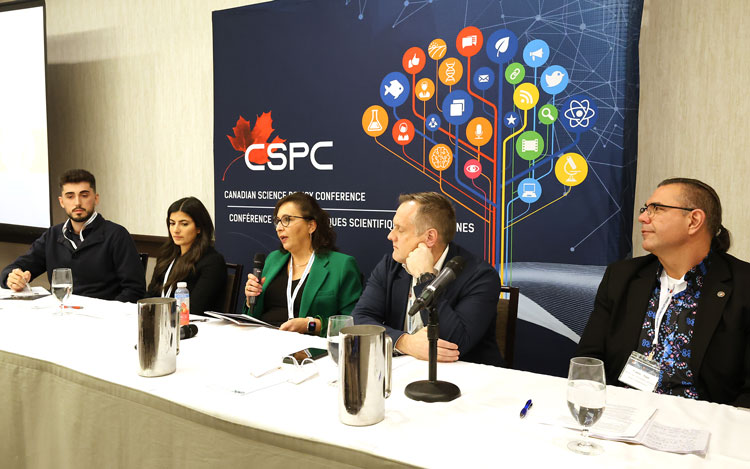
Science for startups: Youth Council member Kevin Kasa moderates the CSPC conference’s panel exploring how to support high-potential Canadian ventures, particularly those working with transformative technologies, so they can grow and scale their business in Canada.
Given the many issues raised by advancements in artificial intelligence, the Youth Council authored a wide-ranging report that addresses a fundamental question: How do young scientists perceive the challenges and opportunities of AI, and what should be done about them? The report, which will address AI’s impact on education, health care, the environment and more, is slated for publication in fall 2025.
Departmental spotlight
Transport Canada:
Preparing for the future of road and rail
From drones to automated vehicles, an array of emerging technologies — many of them incorporating artificial intelligence capabilities — could soon reshape the way Canadians travel. At Transport Canada, Departmental Science Advisor Dr. Sriram Narasimhan guided his department in the development of novel approaches and policies designed to integrate new technologies into Canada’s road and rail infrastructure.
Working with departmental senior management, Dr. Narasimhan established and supported a Remote Inspection Committee to identify opportunities and provide insights on innovative remote inspection approaches that can assist with the maintenance of the railway network.
He also hosted a successful multi-stakeholder workshop on connected and automated vehicles to identify ways to strengthen research and collaboration between government, academia and industry on emerging technology in the automotive sector.
Artificial Intelligence and Science Diplomacy
Canada’s leadership in artificial intelligence makes it a valued international partner, and the Chief Science Advisor works to actively foster and bolster those partnerships.
The AI Safety Report and Paris AI Action Summit
The Chief Science Advisor served as a member of the expert advisory panel that authored the International AI Safety Report, published in February 2025. The advisory panel, which featured representatives from 30 countries as well as the European Union, the United Nations and the Organisation for Economic Cooperation and Development, was chaired by Dr. Yoshua Bengio of Montreal’s Mila Institute for Artificial Intelligence.
The International AI Safety Report focused on the risks and safety concerns associated with general-purpose artificial intelligence. The report detailed the existing and emerging risks associated with AI and underlined the need for mitigation measures to reduce those risks, as well as the challenges for policymakers.
The Chief Science Advisor attended the release of the report at the AI Action Summit held in Paris, February 10-11, 2025, as well as the concurrent conference on AI, Science and Society held at the École Polytechnique de Paris.

AI summit: On February 9, the Canadian Embassy in France hosted a multisector discussion on AI. Attendees included Prime Minister Justin Trudeau (centre) and (to his right), Ambassador Stéphane Dion and Dr. Mona Nemer.
Forging AI partnerships
The OCSA contributed to several AI-specific initiatives with Canada’s international research partners.
The Canada–France Joint Committee on Science, Technology and Innovation, co-chaired by the Chief Science Advisor, issued a call for proposals on artificial intelligence in mid-2024, targeting interdisciplinary research on generative AI and the security and safety of embedded AI.
In September 2024, as part of French President Emmanuel Macron’s visit to Canada, Prime Minister Justin Trudeau and Mr. Macron issued the Canada–France Declaration on Artificial Intelligence. Drafted with the input of the Chief Science Advisor and the Canada–France Joint Committee on Science, Technology and Innovation, the declaration commits both countries to “promoting the development and use of AI systems that respect the rule of law, human rights, democratic values and human-centred values” while strengthening collaboration on the development of AI capabilities.

In October 2024, Canada and Italy announced the creation of a Joint Advisory Group on Artificial Intelligence, a 14-member team dedicated to advancing collaborative research and building partnerships between universities and research institutions in both countries.
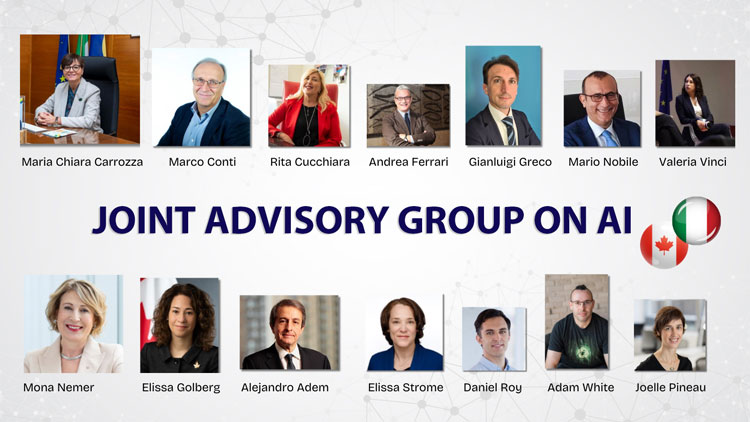
Canada–Italy collaboration: Co-chaired by the Chief Science Advisor, the Joint Advisory Group on Artificial Intelligence quickly established an agenda focused on AI in health and AI in science, common priorities for both countries.
In November 2024, the Chief Science Advisor attended the 2024 MEDays Conference in Tangier, Morocco, as an emissary for Canadian leadership in artificial intelligence. An annual event led by Morocco’s King Mohammed VI, the MEDays Conference brings together leaders from the Mediterranean, African and Arab regions.
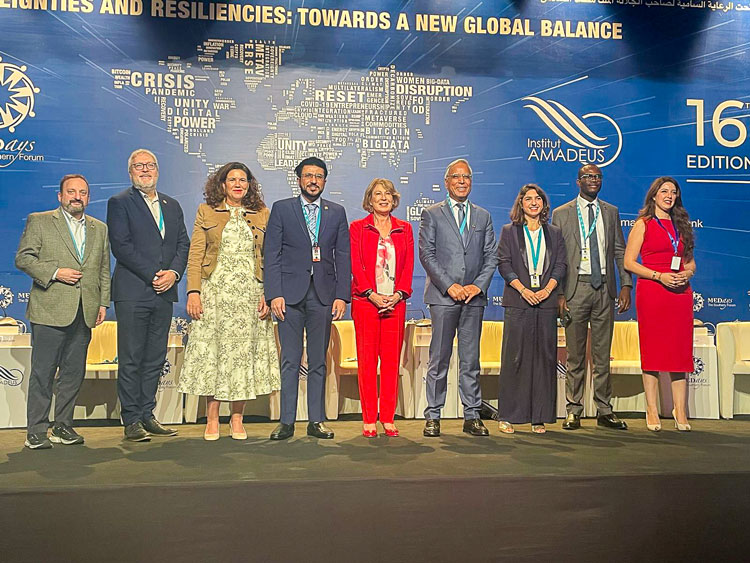
Talking technology in Tangier: Speaking at a MEDays panel on the future of AI, Dr. Mona Nemer (centre) stressed the need for international norms and standards for ethical AI use.
Quantum Computing
The Canada–France Joint Committee on Science, Technology and Innovation, co-chaired by the Chief Science Advisor, issued a call for proposals on collaborative research projects addressing the fundamental challenges and cutting-edge applications of quantum technologies. One key objective of the research is to advance Canada’s National Quantum Strategy, which aims to make the country a world leader in the field of quantum technologies.
A total of eight research projects, each one a joint venture between a Canadian and a French university, were granted awards. Several of the institutions partnering on the winning proposals are members of the Canada–France Quantum Alliance International Research Network, known as CAFQA.
Ocean-Based Carbon Capture
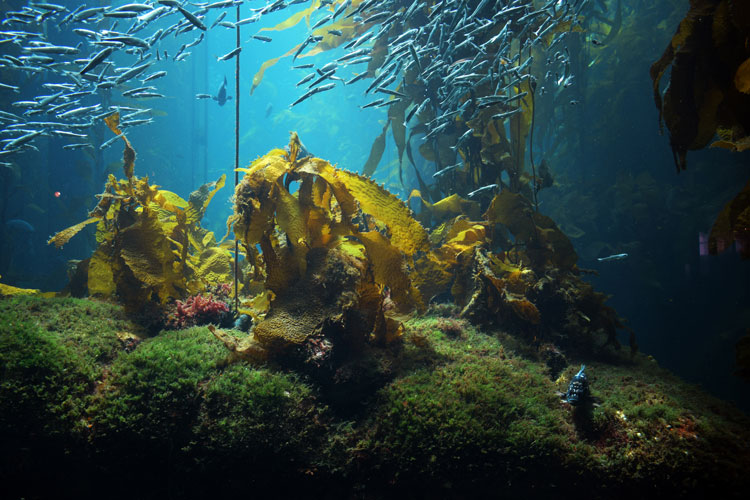
Carbon sink: The seagrass meadows, kelp forests, salt marshes and soft sediments off Canada’s coast are carbon reservoirs that can help mitigate climate change.
With the world’s longest coastline, Canada has one of the world’s most expansive collections of marine carbon reservoirs. Given their capacity for carbon storage, these “blue carbon” sites may eventually help mitigate the impacts of climate change by storing excess greenhouse gas emissions. The topic of blue carbon was the focus of several events and initiatives this past year.
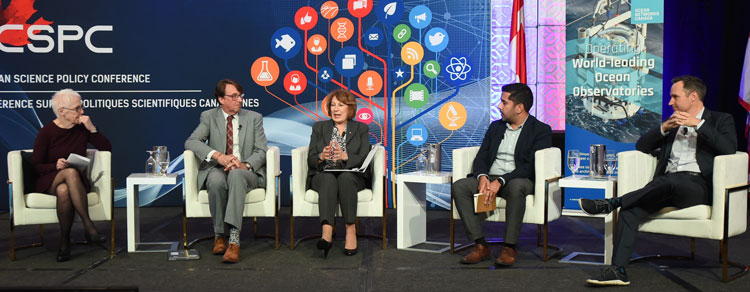
Deep dive: Dr. Mona Nemer moderates a panel discussion entitled Deep dive into ocean-climate solutions at the November 2024 conference of the Canadian Science Policy Centre. The panel explored the potential for marine geoengineering technologies to mitigate climate change, including the capacity of ocean basalt in British Columbia’s Cascadia basin to store up to 15 years’ worth of global carbon emissions.
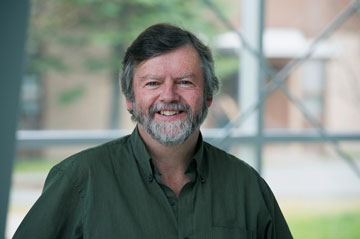
Dr. Paul Snelgrove, Departmental Science Advisor, Fisheries and Oceans Canada
Blue Carbon Canada, a project funded by the Natural Sciences and Engineering Research Council (NSERC), aims to inventory blue carbon sites and assess the capacity of Canada’s oceans to serve as natural climate solutions, now and in the future. Fisheries and Oceans Canada, meanwhile, is conducting research of its own into blue carbon, most notably modeling the mitigation potential of Canada’s kelp forests. Dr. Paul Snelgrove, the Departmental Science Advisor, recently presented findings to Fisheries and Oceans’ Regional Science Directors.
Other Emerging Technologies
The OCSA continuously monitors other cutting-edge technologies and the role that Canada plays, and can play, in their development. The field of nuclear fusion, which is the process of generating energy by combining atomic nuclei (as opposed to fission, which splits nuclei), has made strides in recent years, and can draw upon Canada’s expertise in nuclear energy in its development. Biotechnology developments, typically associated with medicine, also touch the agricultural sector through innovations such as precision farming techniques. Canada’s ability to contribute to the development of such technologies, whether domestically or through international partnerships, keeps Canadian science vital.
Departmental spotlight
Canadian Space Agency:
Projecting the technologies of the future
Space travel has always been at the forefront of technology, developing new innovations to assist with previously unknown environments and circumstances — with many of those technologies, from Velcro to memory foam, finding everyday applications on our home planet.
With the assistance of Departmental Science Advisor Dr. Tim Haltigin, the Canadian Space Agency recently conducted a prioritization exercise to determine which critical science topics will dominate the next 10 years of space exploration and what kinds of technologies will be needed to resolve them. The work highlights how new investments in space projects would advance several government department priorities, address the academic community’s research interests, and reinforce Canadian industrial strengths.

Dr. Tim Haltigin, Departmental Science Advisor, Canadian Space Agency
5. Sovereignty and Security
Canada’s scientific capabilities — its ability to compete globally in the generation of new knowledge and innovation through research and development — are among Canada’s most crucial national assets. They bolster Canadian presence in remote locales. They ensure the continued technological advancement of Canada’s economy and society. They make Canada a valued partner and collaborator to foreign nations. Most importantly, they can be put to use in protecting health and economic security, by helping officials prepare for, detect, assess and deter any imminent challenges. The Office of the Chief Science Advisor (OCSA) supports these efforts through numerous initiatives and activities.
Emergency Management
The ability to respond to a national emergency is a kind of litmus test for national security and sovereignty. It requires a country to have the independent ability to:
- foresee likely risks and adverse events;
- assess their impact upon Canada’s communities, its environment, and its economy, both in advance (potential) and in real time (actual); and
- mobilize the appropriate human and physical resources in response.
The covid-19 pandemic offers crucial lessons for Canada’s future emergency preparedness and response. Science is an integral resource for emergency management.
In October 2024 the OCSA published a report entitled Strengthening the Use of Science for Emergency Management in Canada. The brief report makes 10 recommendations on how science can reduce risks and reinforce preparedness; support emergency response and recovery; and specifically support health objectives. The recommendations include:
- Build a Modern Federal Science Advisory System for Emergencies. Establish a nimble, multidisciplinary science advisory framework aligned with Canada’s emergency response plans, with clear roles for science advisors and updated guidance on delivering science advice.
- Improve Data Infrastructure for Risk Analysis and Emergency Response. Develop standardized, interoperable data protocols across sectors, invest in infrastructure, incorporate Indigenous knowledge, implement national data strategies, and participate in global alert systems.
- Create a Federal Emergency Research Prioritization and Coordination Framework. Activate a research body during national emergencies to set priorities, guide implementation science, and rapidly mobilize knowledge for decision-makers and the public.
- Strengthen Health System Resilience. Develop a national health risk register, bolster health infrastructure and emergency stockpiles, and address climate-related and long-term health threats through evidence-based planning.
- Use Science to Ensure Timely Access to Emergency Health Countermeasures. Develop strategies for the rapid deployment and production of vaccines, diagnostics, therapeutics and non-medical countermeasures like personal protective equipment; strengthen research and biomanufacturing capacity; and align with global regulatory and surveillance efforts.
Each recommendation is broken down into specific, actionable steps that government can take to more easily and deliberately press its scientific resources, expertise and capabilities into service for emergency situations.
Departmental spotlight
Natural Resources Canada:
Monitoring forest fires via satellite
The Canadian Forest Service (CFS), the division of Natural Resources Canada that stewards the country’s 369 million hectares of forest (some 9 percent of the world’s total), celebrated its 125th anniversary in 2025. And it did so, in part, by launching a new state-of-the-art technology program.
Working in collaboration with the Canadian Space Agency, the CFS launched the development of WildFireSat, an initiative that will make Canada the first country in the world to use space dedicated technology to monitor wildfires. An array of seven microsatellites, WildFireSat will provide daily, real-time information about fire intensity, speed, and projected pathway.
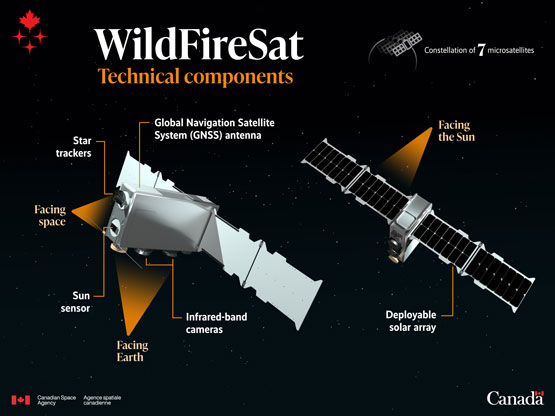
Slated for launch in 2029, WildFireSat will improve smoke and air pollution forecasts, increase protection for Canada’s remote communities, better safeguard infrastructure and the environment, and help prioritize emergency response and ground operations, leading to safer and more informed evacuations.
Canada’s Sovereign Airspace: The Sky Canada Project
Canada exercises sovereignty over its airspace through a variety of civilian and military activities, including the management of air traffic control, fighter jet patrols, and participation in the North American Aerospace Defense Command (NORAD) with the United States. It also exercises that sovereignty through its ability to receive and, if necessary, respond to individual sightings of unusual aircraft or other objects in Canadian skies. Such unidentified aerial phenomena (UAPs), formerly known as unidentified flying objects (UFOs), are the focus of the OCSA’s Sky Canada project.
Spurred in part by recent initiatives in other countries, the Sky Canada project was launched in 2023 to examine how Canada manages and processes reports of UAPs from civilians. The Sky Canada Project did not attempt to prove or disprove the veracity of any sightings; its objective was to assess how Canada manages such sightings in comparison to other countries.
Best estimates suggest that there are between 600 and 1,000 reports of UAP sightings in Canada every year. According to a survey commissioned for the project, one in four Canadians have witnessed a UAP in their lifetime — yet only 10 percent reported them, and 40 percent said they would not know which organization or official they should report it to if they were so inclined. The survey’s main observations include:
- Canada lacks a cohesive and standardized system for reporting and follow-up; UAP reports are received by numerous government departments, with a lack of centralized data compilation and standardized reporting. Furthermore, no organization or department is tasked with investigating or analyzing UAP sightings. Instead, the decision to follow up on any sighting is left to the department that receives it, which does so based upon its own mandate. For instance, if a police force receives a report of a UAP sighting and it poses no threat to public safety, it will not necessarily be investigated.
By comparison, countries such as the United States, France and Chile have established different systems for receiving and following up on UAP sightings. But they share some aspects in common: they are all coordinated, transparent, and scientific in their approach to evidence.
In addition to bolstering peaceful sovereignty over national airspace, a clear and transparent process for reporting and explaining public sightings is important for increasing science literacy and countering misinformation, disinformation, and conspiratorial thinking.
In its forthcoming Sky Canada report, a preview of which was published online in early 2025, the OCSA recommends that Canada establish its own dedicated service to collect testimonies, analyze sightings, and report publicly on its findings and conclusions. The report also recommends facilitating access to open data and providing tools to support citizen science in the field.
Departmental spotlight
Department of National Defence:
Incubating new anti-drone technologies

In 2024, the Defence Excellence and Security (IDEaS) program run by Defence Research and Development Canada contributed to major strides in advancing technologies designed to keep pace with drones, which are faster, smaller, less detectable than prior technologies, and are being used in military conflict in new and impactful ways.
IDEaS’ month-long event, the Counter Uncrewed Aerial Systems Sandbox, provided 15 innovators from five countries with the opportunity to test their anti-drone technology — be it guns, lasers or wireless signal-jamming.
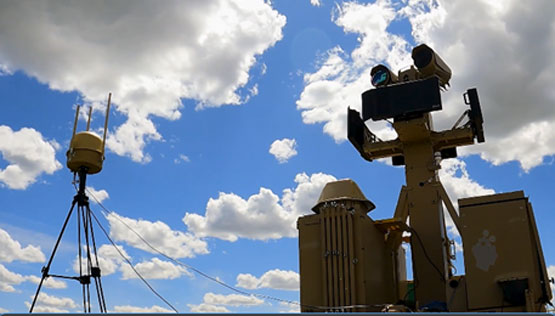
Field test: Prototype anti-drone technologies were deployed in safety-controlled realistic conditions, with real-time feedback from defence and security experts.
At the event, Canada became the fifth North Atlantic Treaty Organization country to test above-the-horizon lasers, meaning the use of lasers with no mountain or other geographic backdrop to stop their path. The laser tests required careful coordination with air traffic control, space operations, and the International Space Station to ensure their awareness and the safety of their operations.
Open Science, Data Governance and Research Security
Canada’s federal government supports substantial scientific research across multiple departments, from geological survey research to space exploration and everything in between. Through the three major granting agencies — the Natural Sciences and Engineering Research Council, (NSERC), the Social Sciences and Humanities Research Council (SSHRC), and the Canadian Institutes of Health Research (CIHR) — the federal government also provides more than $3 billion in annual public funding for university-based research. The data and insight generated by this research contributes to the advancement of human knowledge — but it is also a distinctly Canadian asset. As it is funded by Canadian taxpayers, Canadians should have access to it; at the same time, it needs to be secured against infringements of intellectual property or national security. The OCSA works to advise government departments and agencies on how best to balance those needs, and to build the structures that can ensure both needs are met.
Open Science in Canada
For the past five years, the OCSA has been working to advance its Roadmap for Open Science, which aims to accelerate discovery by enabling others to build quickly on newly validated science. The Roadmap’s early-stage milestones with respect to open-access publishing of government-driven research have been successfully advanced, including the launch of the Federal Open Science Repository of Canada in 2023-24.
In 2024-25, the OCSA continued this work by engaging with the major federal granting councils as they work to meet their December 2025 deadline to establish open-access publishing policies. OCSA staff also support the Network of Chief Scientific Data Officers, an informal collaborative group from the government’s science-based departments and agencies, as they implement their respective Open Science policies.
Scientific Data Governance in Canada
For 2024-25, the OCSA’s focus turned to laying the groundwork for a Scientific Data Governance Framework. The task is a crucial one, as Canada currently lags many other countries in this regard. Moreover:
- The nature of science, and of scientific data production and use, are changing rapidly.
- Artificial intelligence is expected to transform science, particularly in its ability to parse and analyze large datasets at speed.
- To do so, data needs to be organized according to FAIR data principles (findable, accessible, interoperable and reusable).
- A high-functioning data ecosystem is a requirement for Canadian researchers to attract and maintain international collaborations and funding, such as through Horizon Europe’s Pillar II.
- National security imperatives require proper data governance to ensure valuable information and national interests are protected.
The Chief Science Advisor worked closely with the Advisory Committee on Canadian Scientific Data Governance throughout the year to examine options and international best practices for data governance that balance the principles of open science with the need for data and research security.
Advisory Committee co-chairs Dr. David Castle, one of the OCSA’s researchers in residence, and Ms. Amy Buckland from Concordia University, presented the proposed data governance principles at the October 2024 Canadian Open Data Summit held in Edmonton and organized by the Canadian Open Data Society.
The OCSA expects to issue a report on data governance frameworks in the year ahead, based on the principle that data is a national asset that contributes to Canadian prosperity. A functional national framework for scientific data governance is a precondition for Canadian science, technology and innovation success at home and abroad, and is a key component in the overall progress towards open science and digital technologies deployment, including artificial intelligence.
Research Security: International Advancements
The Chief Science Advisor attended the July 2024 G7 Science and Technology Ministers Meeting in Bologna, Italy, on behalf of Minister François-Philippe Champagne. In the meeting’s final communiqué, the G7 science ministers endorsed the publication of the G7 Common Values and Principles on Research Security and Integrity and the G7 Best Practices for Secure and Open Research. The group also announced the creation of a G7 Virtual Academy whose role will include the implementation of best practices.
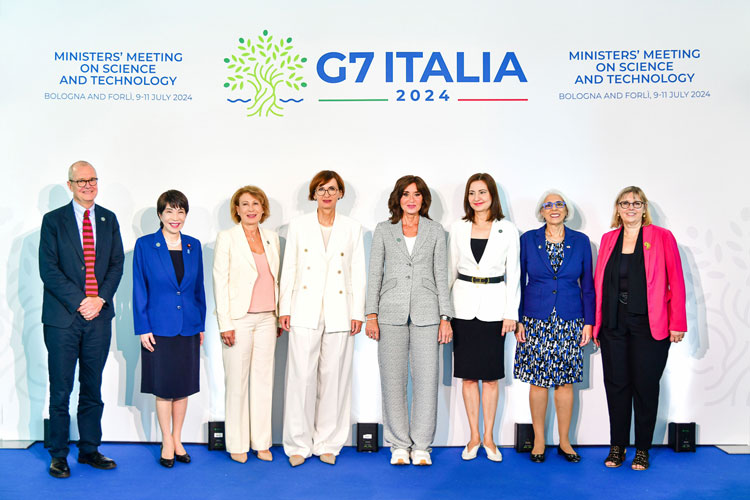
G7 science collaboration: Dr. Mona Nemer (third from left) meets with the G7 science ministers. The issue of research security and integrity dominated discussion, including issues such as foreign interference, mitigation measures, and the interplay between security, integrity, and openness in research.
Science, Diplomacy and Sovereignty
Just as Canada engages in diplomacy to protect its economic, cultural and security interests, it also engages in diplomacy with respect to its scientific and research interests — seeking to protect its own capabilities, to gain new ones through research partnerships, and to engage in science-driven alliances.
The Chief Science Advisor’s prior work in science diplomacy has yielded benefits for Canada and opportunities for Canadian scientists, including the 2023 establishment of the Canada–France Joint Committee on Science and Technology. The Chief Science Advisor continued her work in this vein throughout 2024-25.
Horizon Europe
On July 3, 2024, Canada became an associate member of Horizon Europe’s Pillar II, a €69 billion program aimed at funding research that addresses some of the world’s most urgent challenges. Horizon Europe is the European Commission’s key funding program for research and innovation.
The Chief Science Advisor played a key role in advancing Canada’s membership in the program, which provides Canadian researchers with the opportunity to apply for Pillar II funding across six different clusters, including health; climate, energy and mobility; digital, industry and space; and civil security.
Science Advisors Summit
In June 2024 in Ottawa, the Chief Science Advisor hosted a gathering of her counterparts from among Canada’s strongest international allies. “We affirm our commitment to leveraging science and technology to meet the greatest challenges of our time: climate change, health, security, and economic opportunity,” read the science advisors’ joint communiqué. “Science and technology are critical to advance global prosperity, to bridge divides, and to expand opportunities for every person.”
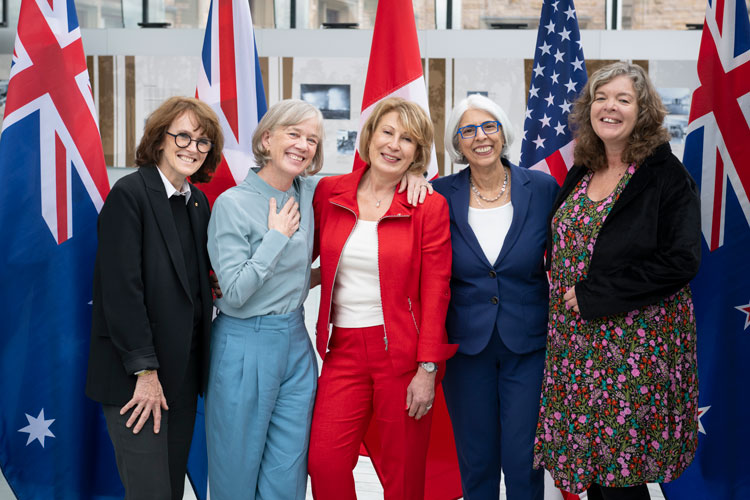
Science advisors meet in Ottawa: from left to right, Dr. Cathy Foley, Chief Scientist of Australia; Prof. Dame Angela McLean, Chief Scientific Advisor to the United Kingdom; Dr. Mona Nemer, Chief Science Advisor of Canada; Dr. Arati Prabhakar, Assistant to the President for Science and Technology and Director of the White House Office of Science and Technology Policy; and Prof. Dame Juliet Gerrard, Chief Science Advisor to New Zealand.
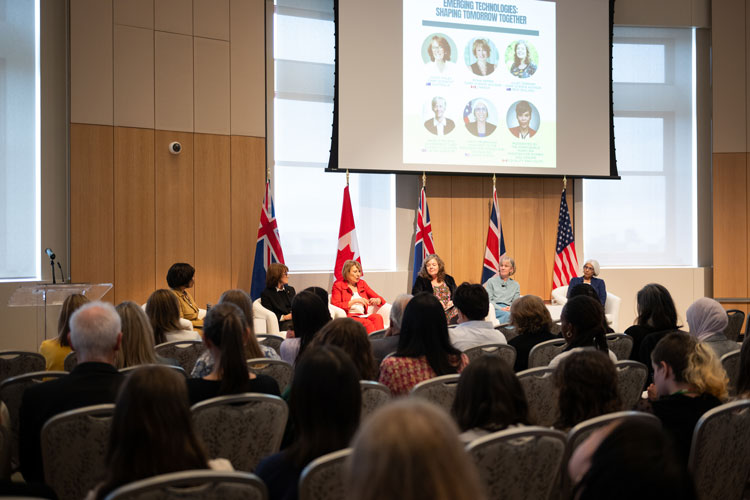
Future frontiers for science advice: While in Ottawa, the chief science advisors participated in a panel discussion entitled “Emerging Technologies: Shaping Tomorrow Together” at the Canadian Museum of Nature.
Canada–U.S. Science Collaboration
Canada and the United States enjoy a deep and longstanding bilateral relationship in research and development. As a result, there are thousands of institutional level arrangements and memoranda of understanding, as universities and government departments from both countries collaborate extensively on a wide array of projects.
Notably, of Canada’s internationally co-authored research publications over the last three years, 43 percent were co-authored with Americans, more than double the number from any other country. This demonstrates how the Canada–US bilateral science relationship has produced significant benefits for both parties, and the OCSA promotes this fruitful relationship at every opportunity.
For the sixth consecutive year, the OCSA led the Canadian delegation to the annual meeting of the American Association for the Advancement of Science (AAAS) in Boston. The largest science society in the world, the AAAS has more than 120,000 members across more than 91 countries. The association’s annual conference attracts an average of 4,000 attendees from around the world working in academia, government and the private sector.
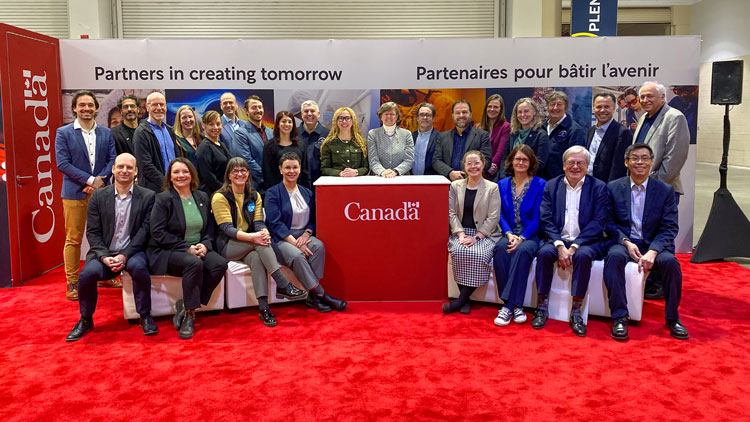
Team Canada at the AAAS: The Canada delegation included representatives from Industry, Science and Economic Development, Fisheries and Oceans, Global Affairs Canada, Genome Canada, Perimeter Institute for Theoretical Physics, NSERC, SSHRC and more. Canada’s presence at the AAAS included a Canada Pavilion showcasing Canadian capabilities in quantum physics, marine ecology, biotechnology and Indigenous knowledge.
The OCSA also led key Canadian representatives to a variety of meetings while in Boston, including engagements with Massachusetts Institute of Technology researchers on quantum science, with administrators on research security and innovation, and with Canadian entrepreneurs in New England in the life sciences sector.

Consul General’s Reception: Vice-Chief Science Advisor Dr. Geneviève Tanguay delivers remarks at the Canadian consulate in Boston underscoring cross-border collaboration and shared values. “Science is not confined to one nation — it is a collective human endeavor. It belongs to all of us, across borders and generations,” Dr. Tanguay said.
6. The State of Science in Canada
Initiatives at the OCSA to enhance research, talent development and science advice
Canada has long been among the world’s leading nations in scientific capability and research capacity, including in crucial emerging fields such as artificial intelligence. But in an increasingly competitive world in which many countries have rapidly increased their commitment to research and development, Canada’s leadership is not assured. Within the Office of the Chief Science Advisor (OCSA), activities are guided by the imperative of maintaining Canada’s global leadership in science — through commitment to research, talent development, support for innovation, and improved science advice within government.
The State of Canada’s Research and Development Expenditures
According to Statistics Canada, the country's gross domestic expenditures on research and development (GERD) reached $51.7 billion in 2022, an increase of 9 percent (+$4.2 billion) compared to the previous year. The most recent figures indicate that research and development (R&D) spending reached $53.1 billion (+$1.4 billion) in 2023 and are expected to reach $55.0 billion (+$1.8 billion) in 2024. Canada also scores well in terms of its volume of scientific peer-reviewed publications, consistently ranking among the top 10 countries in the world in terms of total output.
While the trend towards rising GERD in Canada is a welcome one, it does not tell the whole story. The Organisation for Economic Cooperation and Development (OECD) publishes annually what it calls the R&D intensity indicator, which is a ratio of GERD to gross domestic product (GDP). By this measure, Canada’s R&D intensity decreased from 1.87 percent in 2021 to 1.81 percent in 2022 and 2023. As shown in Table 1, this measure ranks Canada below the OECD average and behind all its G7 counterparts except Italy.
Equally of note is the percentage of research and development spending driven by private-sector investment, measured as Business Enterprise Research and Development (BERD). As Table 1 shows, at just over 47 percent, Canada is the only G7 country in which BERD accounts for less than half of gross scientific expenditures and is well behind the 2022 OECD average of 65.3 percent.
Table 1 - Gross domestic expenditure on research and development (GERD) as a percentage of gross domestic product (GDP) and GERD financed by the business enterprise sector (BERD) as a percentage of total GERD for G7 Countries and OECD, 2022 and 2023
| 2022 | 2023 | |||
|---|---|---|---|---|
| GERD/GDP1 | BERD/GERD2 | GERD/GDP1 | BERD/GERD2 | |
| % | ||||
| United States | 3.49 | 69.7 | 3.45 | 69.6 |
| Japan | 3.40 | 78.5 | 3.44 | 78.0 |
| Germany | 3.07 | .. | 3.11 | .. |
| United Kingdom | 2.80 | 61.9 | .. | .. |
| OECD | 2.68 | 65.3 | 2.70 | .. |
| France | 2.22 | 56.3 | 2.19 | .. |
| Canada | 1.81 | 47.3 | 1.81 | 47.6 |
| Italy | 1.37 | 53.2 | 1.31 | .. |
Source: OECD, March 2025.
Notes:
1 Gross domestic expenditure on research and development (GERD) as a percentage of gross domestic product (GDP).
2 GERD financed by the business enterprise sector (BERD) as a percentage of total GERD.
.. Not available for a specific reference period
Modernizing Canada’s research ecosystem for a changing world
In its 2024 budget, the Government of Canada proposed a series of measures aimed at strengthening the country’s science and research support network. Those measures include:
- an additional $1.8 billion over five years to the federal granting councils — the Natural Sciences and Engineering Research Council, (NSERC), the Social Sciences and Humanities Research Council (SSHRC), and the Canadian Institutes of Health Research (CIHR) — that will increase core research funding by 30 percent.
- a further $825 million over five years to increase funding for graduate students and postdoctoral fellows, and to create an additional 1,720 such positions annually.
- the creation of a new “capstone” research funding organization that would coordinate the work of NSERC, SSHRC and CIHR.
These changes are welcome and urgently needed as part of a broader effort to modernize Canada’s approach to research, development and innovation. The adoption of digital tools, the advent of artificial intelligence, and other factors are changing the scientific landscape, simultaneously creating complex new challenges and powerful new methods for approaching them. As scientific problems are increasingly multidisciplinary, Canada’s ecosystem can provide stronger support and encouragement for a team-based approach that breaks down traditional silos, and that helps catalyze research into tangible innovations.
The Chief Science Advisor has publicly supported the findings of two expert groups within the last five years who recommended substantial reforms to Canada’s research ecosystem. This past year, in November 2024, the Chief Science Advisor appeared before the House of Commons Standing Committee on Science and Research to provide her vision of enhanced research funding coordination.
“For the research enterprise in Canada to continue to prosper and benefit Canadians, business as usual is not an advisable option. In spite of much effort, maximizing the benefits of research to society remains an area in need of attention in Canada,” Dr. Nemer told the committee. The recently proposed capstone research funding organization, she said, “must facilitate the implementation of a research and innovation strategy for Canada and strengthen Canada’s position on the world stage by clearly signalling our commitment to a strong and coherent research and innovation regime.”
The Canadian Science Workforce
For Canada to remain a global leader in scientific research and support its growing knowledge economy, it must continue to train a new generation of scientists, technologists and researchers. There are many organizations and programs in Canada that promote youth engagement in science, from science fairs to the OCSA’s own Youth Council.
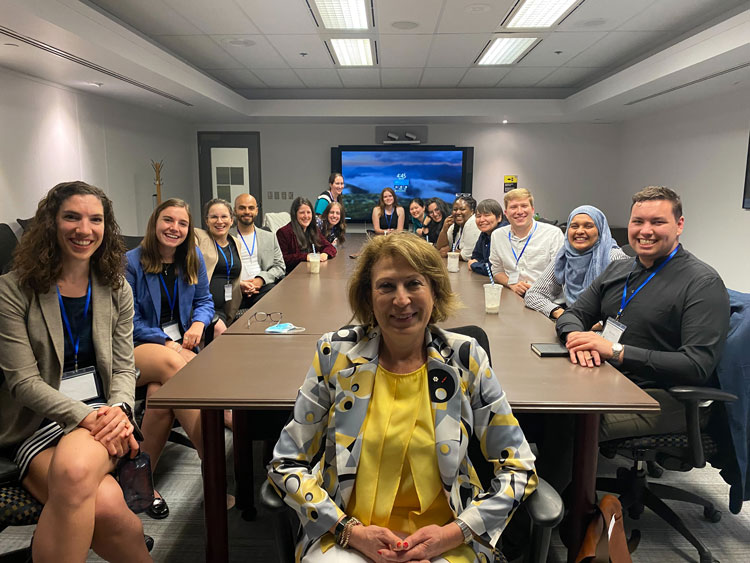
Youth in science: Dr. Mona Nemer meets with members of her inaugural Youth Council, one of many programs in Canada that foster curiosity and engagement for young scientists.
The core task of training career scientists, however, falls largely to Canada’s universities. Excluding international students, Canadian domestic postsecondary enrollment declined slightly over the eight-year period from 2015 to 2023, down 5.5 percent from 1,769,490 students to 1,672,080.
In that same time period, however, enrolment in the STEM disciplines (science, technology, engineering and mathematics) rose considerably, which is a positive development given Canada’s needs (see Table 2). Of particular note is the increase in STEM enrolment among women, which grew four times faster than among their male counterparts.
Table 2: Canadian Postsecondary Enrollment1 in Science, Technology, Engineering and Mathematics (STEM), 2014–15 and 2022–23
| STEM | |||||
|---|---|---|---|---|---|
| 2014-15 | 2022-23 | Variation between 2014-15 and 2022-23 |
|||
| Number | % | Number | % | ||
| Women | 143,050 | 37.6 | 172,040 | 40.8 | 20.3 |
| Men | 237,390 | 62.4 | 249,610 | 59.2 | 5.1 |
| Total2 | 380,450 | 100.0 | 421,660 | 100.0 | 10.8 |
Source: Statistics Canada. Table 37-10-0268-01, updated in June 2025.
Notes:
1 Data excludes international student enrolment.
2 Total percentages may differ from the sum of their components due to rounding.
As STEM enrolment grows, the next step is to encourage these students to pursue research and postgraduate degrees. From 2021 to 2022, the proportion of Canada’s population with a master's or doctoral degree rose from 11 percent to 12 percent — an encouraging sign. As Table 3 shows, however, that figure places Canada once again below the OECD average, and last among G7 countries.
Table 3 - Percentage of population aged 25 to 64 with a Master's or Doctorate degree1 for G7 countries and OECD, 2020 to 2022
| % | |||
|---|---|---|---|
| 2020 | 2021 | 2022 | |
| OECD average | 15 | 15 | 16 |
| United Kingdom | 14 | 15 | 16 |
| Italy | 15 | 15 | 15 |
| France | 14 | 15 | 15 |
| United States | 14 | 14 | 14 |
| Germany | 14 | 13 | 14 |
| Canada | 11 | 11 | 12 |
| Japan | .. | .. | .. |
Sources: Statistics Canada. Table 37-10-0130-01, May 2025; and OECD, March 2024.
Note:
1 Includes degrees or certificates above bachelor's degree.
.. Not available for a specific reference period.
In this regard, the 2024 federal budget’s commitment to create 1,720 new, funded postgraduate positions, and to increase annual stipends for postgraduate studies — to $27,000 for master's students and $40,000 for doctoral studies, as well as $70,000 for postdoctoral fellowships — are crucial steps in the right direction. Canada’s continued leadership in the sciences will require the retention and development of top scientific talent.
Women in STEM
Since the inception of this office, the Chief Science Advisor and her team have championed the cause of women in science and engineering by engaging the community on the attraction, retention, and promotion of women in science and engineering careers.
In February 2025, the OCSA and the National Research Council of Canada co-hosted the annual Women in STEM Symposium in Ottawa. The two-day conference brought together more than 1,800 participants from across the country, up from 1,600 in 2024. The symposium’s agenda featured several panel discussions and networking sessions covering topics such as work–life balance, non-traditional career paths and Indigenous science.
Several science-based federal government departments and agencies supported the symposium and organized panel discussions. They include Defence Research and Development Canada, the Public Health Agency of Canada, Library and Archives Canada, and the Chemical Institute of Canada. The Women in STEM Symposium provides an exceptional annual forum for students, early-career and established women scientists to meet and network with peers.
Chief Science Advisor’s Youth Council
The Chief Science Advisor’s Youth Council brings together 16 bright and promising young individuals from across the country with an interest in the science–policy nexus. They provide the Chief Science Advisor with a youth perspective on pressing questions, issues and challenges facing the science community and the country.

Youth Council: Members of the Chief Science Advisor’s 2023-25 Youth Council — the second Youth Council cohort in the OCSA’s history to date — pose with Dr. Mona Nemer (third from left) and Innovation, Science and Industry Minister François-Philippe Champagne (third from right). The Youth Council completed its two-year term in April 2025.
The next cohort of the Youth Council will be announced in fall 2025. Youth Council membership is open to Canadian citizens or permanent residents between the ages of 18 and 28; selections are made based upon a rigorous, merit-based process.
The Federal Science Workforce
Roughly 10 percent of the federal government’s nearly 300,000 employees are scientists. Their number has remained stable from 2023 to 2024 at just over 32,000. However, as Table 4 shows, the overall growth of the public service during that period led to a slight decline in the proportion of scientists within the total federal workforce, from 11.2 percent to 11.0 percent. This data reflects a broader trend from the last six years: while the total federal workforce as a whole has grown by 27 percent since 2019, the federal science workforce has increased by only 16 percent.
Table 4 - Number of Federal Employees, and Number and Proportion of Scientists1 in the Federal Government Workforce, 2019 to 2024
| Federal Employees | Scientists (total) | Proportion of scientists (%) | |
|---|---|---|---|
| 2019 | 236,734 | 28,398 | 12.0 |
| 2020 | 247,929 | 29,300 | 11.8 |
| 2021 | 263,138 | 30,662 | 11.7 |
| 2022 | 272,197 | 31,157 | 11.4 |
| 2023 | 288,937 | 32,280 | 11.2 |
| 2024 | 300,320 | 32,929 | 11.0 |
| Variation 2019-2024 | +26.9 % | +16.0 % |
Source: Treasury Board Secretariat (TBS), Pay System; Canadian Food inspection Agency; National Research Council; Parks Canada.
Note:
1 For definitions, see: https://science.gc.ca/site/science/en/office-chief-science-advisor/federal-science-workforce-overview
Last year the OCSA issued a report entitled The Federal Science Workforce: An Overview, its first comprehensive report on the scientists who serve in the federal public service. In 2024-25 the OCSA followed up on the report’s recommendations with the creation of a Federal Science Workforce Steering Committee, chaired by the Chief Science Advisor, with leaders from the Treasury Board Secretariat, the Public Service Commission of Canada, Statistics Canada, and the Canada School of Public Service.
The Steering Committee’s work will be centred on developing a long-term data strategy for the federal science workforce designed to better understand its roles and its needs. Such a strategy will help ensure that the federal science workforce continues to contribute to the advancement of knowledge while keeping Canadians safe and supporting evidence-informed policy.
Science in French
When it comes to science and especially to scientific publishing, English is the predominant language — particularly for the natural and life sciences. As a bilingual country, Canada has a role to play in maintaining the vitality of the French language in scientific research. The Chief Science Advisor and her team support numerous initiatives to promote the use of French in science and scientific publishing, as well as the pursuit and conduct of research in French.
In October 2024, Canadian Heritage established the External Advisory Group on the Creation and Dissemination of Scientific Information in French, to better support the long-term viability of the French language scientific research ecosystem in Canada. Dr. Gary Slater, a professor of physics at the University of Ottawa and a Researcher in Residence at the OCSA, was appointed to serve on the 10-member panel. In addition, Chief Science Advisor Dr. Mona Nemer gave testimony to the Advisory Group in February 2025, underlining the importance of this issue.
The Canada–France Joint Committee on Science, Technology and Innovation has also taken up this issue in earnest, establishing a working group on “French-language science, multilingualism and open science” co-chaired by Vice-Chief Science Advisor Dr. Geneviève Tanguay. The working group’s May 2024 report proposed a pilot project to establish a shared platform for artificial intelligence-assisted synthesis and translation of research publications from both countries. If adopted, the pilot project’s objective would be to develop AI’s capacity for accurate, open translation across all fields of scientific knowledge, and to better disseminate knowledge and information across the language barrier.
Connecting Science and Policy, Scientists and Policymakers
The OCSA’s primary mandate includes improving the provision of science advice to federal decision-makers. With more than 32,000 scientists active in government operations across all departments, their insight can be valuable in developing policy — provided that 1) there are channels through which their insight can flow, and 2) valued relationships and effective platforms are fostered for dialogue between scientists and policymakers.
Scientific Integrity Policy
In 2018, the OCSA drafted a Model Policy on Scientific Integrity to guide the responsible conduct and communication of research and foster evidence-based decision-making. This past year produced a key milestone, as Scientific Integrity Policies (SIPs) have now been adopted by all 25 federal departments and agencies who were required to do so. The OCSA continues to support these departments through tools and annual surveys aimed at collecting on-the-ground feedback regarding the policy’s implementation and effectiveness.
The OCSA is updating the Model Policy to address the issues arising from the use of generative artificial intelligence, the increased attention to research security, and the appropriate approaches to Indigenous knowledge and data.
The OCSA continued its work with the Canada School of the Public Service to develop the fourth and final training module for the SIP, Weighing Evidence for Policy Decisions, which was completed in May 2024. The four self-directed training modules have enjoyed high enrolment across multiple federal organizations.
Convening Science Advisory Networks
One of the OCSA’s earliest initiatives was the creation of a Departmental Science Advisor (DSA) Network, in which individual DSAs gather to discuss and deliberate common issues, emerging trends, and best practices. The DSA Network was pleased to welcome Dr. Kate Kaminska of the Department of National Defence as its newest member in 2024-25. This past year, the DSA Network was engaged in discussion on numerous issues, including Arctic science, avian influenza and the use of artificial intelligence in government.
The success of the DSA Network led, this past year, to further OCSA-led collaborations between federal departments and agencies. In the spring of 2024, the OCSA helped to convene the Assistant Deputy Ministers for Science and Technology from 13 science-based departments and agencies for a one-year pilot project known colloquially as the ADM S&T Forum. Chaired by Vice-Chief Science Advisor Dr. Geneviève Tanguay, the Forum drove a deliberate and strategic coordination agenda for the federal science and technology community.
In October, the work of the ADM S&T Forum led to a larger federal science and technology leadership assembly, held in hybrid format with around 150 individuals from participating departments. The leadership assembly mobilized the whole federal science and technology leadership community towards greater coordination, broadening the reach of the ADMs’ coordination efforts.
Science Meets Parliament
For science to support public policy and democratic institutions, politicians must understand how science is carried out and how it can support government priorities. Similarly, scientists need to understand the realities and the processes of policymaking. Last May, the OCSA teamed up once again with the Canadian Science Policy Centre to host Science Meets Parliament, a two-day non-partisan event where selected scientists with an interest in policy gather with members of parliament and senators to discuss issues of mutual concern. House Speaker Greg Fergus served as the event’s parliamentary champion.
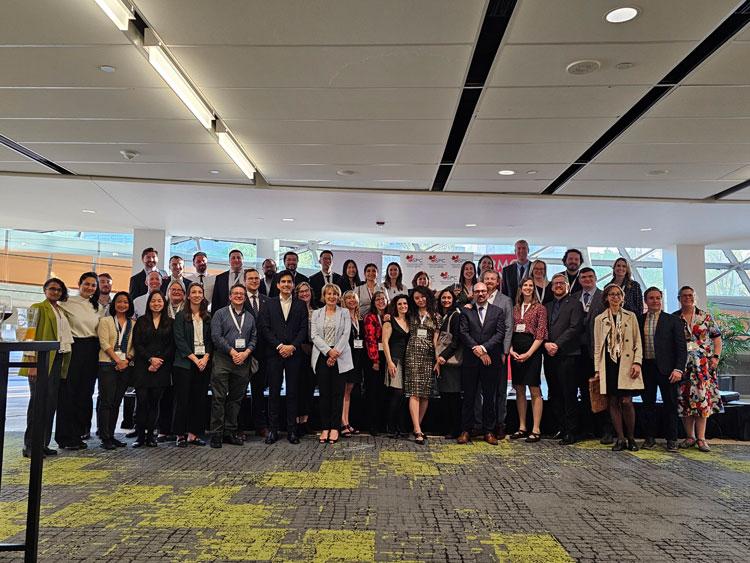
A meeting of minds: 47 scientists and 59 MPs and senators took part in 2024’s Science Meets Parliament. In addition to face-to-face meetings, the event’s program included eight training sessions centered on such topics as science policy, government structure and policy making, science communication, and equity, diversity and inclusion in science.
The 2024 gathering marked the fourth edition of Science Meets Parliament since 2018. In the course of its brief history, Science Meets Parliament has gained increasing appreciation across both the scientific and parliamentary communities as an opportunity for valuable, constructive exchange. The relationships forged at the event have frequently led to further engagement between scientists and parliamentarians beyond Ottawa, in their respective regions and constituencies.
A final note
While Canada excels in scientific and research performance across several areas and sectors, it is mostly evidenced in scientific publications, superb training, and enviable international partnerships. However, other countries seem more successful at translating discoveries and new knowledge into social and economic innovation. A thorough review of policies and programs, aimed at improving Canada’s performance in this regard, will help increase the impact of science on the country’s economy, including through developing and retaining innovative businesses and industries.
The current geopolitical context — seismic shifts in global trade, increased competition, threats to national sovereignty — provides added incentive for improving this important research outcome. Canada has an opportunity to bolster its own commitment to research and innovation by attracting and retaining talented researchers and supporting the translation of their research into industrial application. In so doing the country would be unmistakably signaling that science and technology is a cornerstone of its future economic and social development.
Appendix A: Departments’ and Agencies’ Scientific Activity
The list below shows the top federal departments and agencies in Canada in terms of expenditures in scientific research and development.
| ($ millions) | |||
|---|---|---|---|
| 2022-23 | 2023-24 | 2024-25 | |
| National Research Council Canada | 1,471 | 1,526 | 1,595 |
| Natural Sciences and Engineering Research Council of Canada | 1,382 | 1,383 | 1,384 |
| Canadian Institutes of Health Research | 1,337 | 1,348 | 1,370 |
| Social Sciences and Humanities Research Council of Canada | 1,063 | 1,160 | 1,298 |
| Environment and Climate Change Canada | 996 | 1,157 | 1,128 |
| Innovation, Science and Economic Development Canada | 885 | 900 | 1,058 |
| Global Affairs Canada | 928 | 873 | 992 |
| Statistics Canada | 842 | 873 | 857 |
| National Defence | 632 | 639 | 853 |
| Natural Resources Canada | 809 | 649 | 729 |
| Public Health Agency of Canada | 436 | 649 | 623 |
| Agriculture and Agri-Food Canada | 560 | 589 | 591 |
| Health Canada | 567 | 591 | 565 |
| Canada Foundation for Innovation | 401 | 512 | 564 |
| Fisheries and Oceans Canada | 470 | 505 | 476 |
| Canadian Space Agency | 456 | 405 | 366 |
| Sub-Total | 13,235 | 13,759 | 14,449 |
| Other departments and agencies | 2,164 | 2,493 | 2,559 |
| Total | 15,397 | 16,253 | 17,008 |
* All data is from Statistics Canada: Table 27-10-0026-01, Federal expenditures on science and technology by major departments and agencies – Intentions. Release date June 06, 2025. The last year of data in this table represents preliminary estimates, reported at the time of data collection.