
The Unsung Heroes behind the Made-In-Canada COVID-19 Lab Test
November 23, 2020
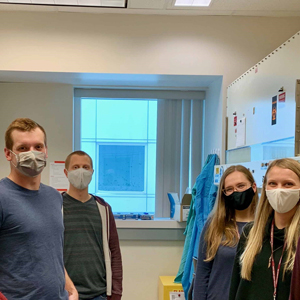
Accurate and timely testing is an essential part of Canada’s response to control the spread of COVID-19. When someone tests positive for COVID-19, they self-isolate to limit further spread and the contact tracing process begins to identify other individuals who may have been exposed. This process helps to protect not only the individual but also their family and their community so that everyone can follow public health recommendations. In the absence of an authorized vaccine, testing and contact tracing are some of our most powerful public health tools to limit the spread of the virus.
Much ado about radon: Dealing with the issue at home
November 19, 2020
Radon is a radioactive gas released by the decay of uranium deposits in the soil. It’s odourless and colourless, and when it’s released outdoors the low concentration poses absolutely no health risk. However, inside our homes, radon can become trapped, reaching levels that become dangerous over time. All homes have some radon, but levels vary depending on local soil deposits, type of construction, and ventilation.
Cooking up a storm
September 28, 2020
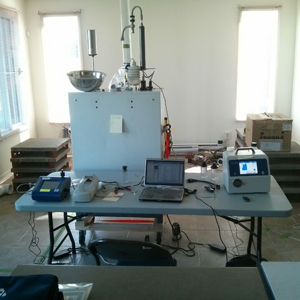
Did you know that cooking is one of the largest sources of air pollution in your home? Every time you turn on that stove, particles may be released into the air, which could cause health issues in the long run. The solution is not to stop cooking entirely and eat out every day! Instead, just ventilate when you cook. Turn your kitchen exhaust fan on when you start cooking and leave it on for about 5 to 15 minutes after you finish cooking, or open a window, to help improve the air quality in your home.
The air around us: Evidence from the Subway Air Quality Study
September 21, 2020

Have you ever wondered about the quality of the air that you breathe while you are stuck in traffic? Keith Van Ryswyk, a researcher on air pollution exposure at Health Canada, has been looking into it and the results are interesting.
Linking Air Pollution and Health
September 11, 2020

Do air pollution and climate change affect us even before we are born? That is what Health Canada scientist Dr. Eric Lavigne is trying to find out. His research looks at how human health is affected by the air around us, including pollution, outdoor temperatures, climate change and allergens.
The science of adapting to climate change
August 17, 2020

In the face of a changing climate, Canadians must learn to adapt to protect their health and their communities. Even as we take efforts to reduce greenhouse gas emissions, changes in climate will continue to affect our lives and health. Knowledge of the impacts of climate change and the options for adapting has increased greatly over the last 20 years, thanks to experts and scientists who continue to work on this key issue.
COVID-19: Putting NML to the test
August 6, 2020

On January 26, 2020, a team of specialized respiratory illness researchers at the Public Health Agency of Canada’s (PHAC) National Microbiology Laboratory (NML) restlessly awaited the arrival of a delivery that would change Canadian history. A sample from Canada’s first presumptive positive COVID-19 case. As soon as the patient was presumed positive for COVID-19, the NML was preparing to have the virus shipped to their laboratory in Winnipeg to confirm the diagnosis.
Preventing the extreme consequences of extreme heat
July 30, 2020

Studies show that exposure to extreme heat can exacerbate or lead to a range of serious health issues, including heat exhaustion, heat stroke, or even death. Climate change is leading to more extremely hot days all across the world, including in Canada. In fact, the World Health Organization (WHO) has identified climate change as the biggest threat to human health in the 21st century.
COVID-19: the window for infection
July 8, 2020
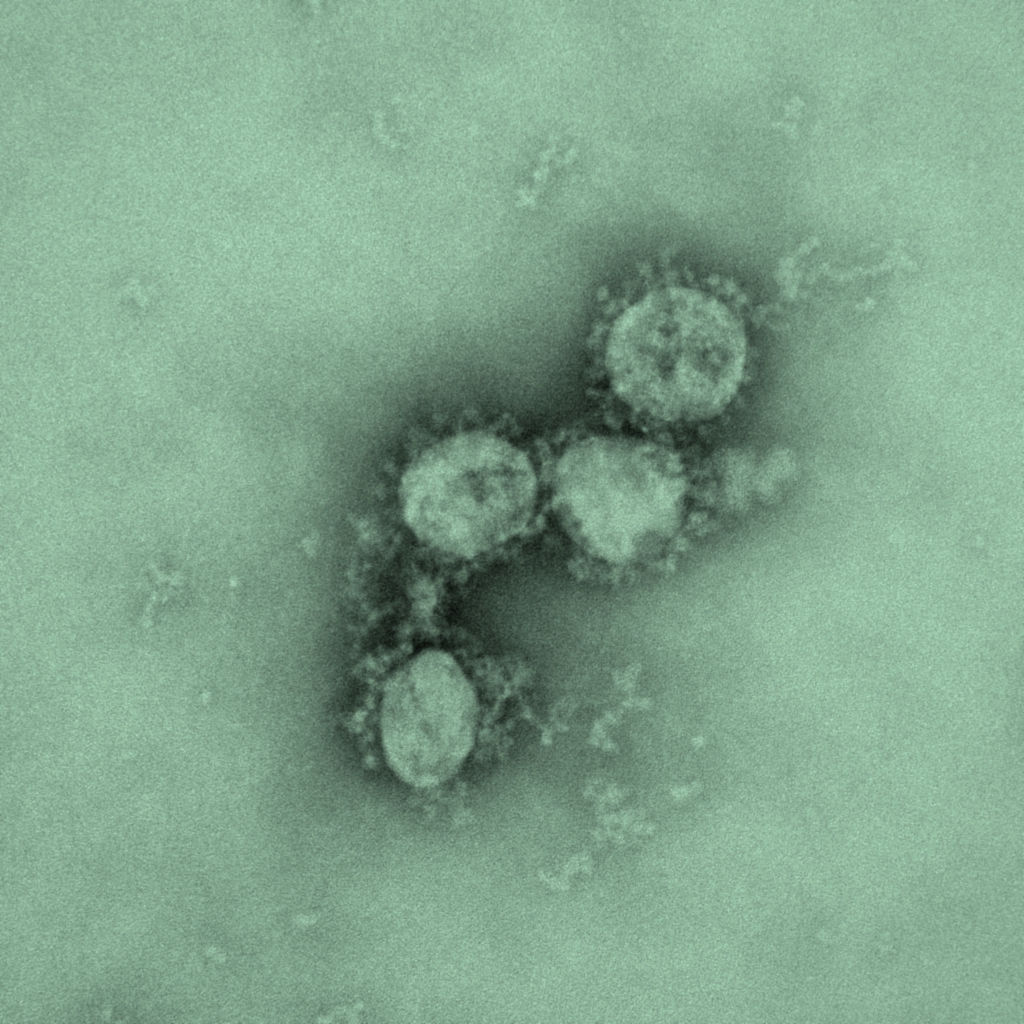
Have you ever wondered how long people are contagious with COVID-19 and are still able to spread the virus to others? Scientists at the Public Health Agency of Canada’s (PHAC) National Microbiology Laboratory (NML) tried to find the answer to this sticky question.
Keeping a close eye on radiation
July 5, 2020
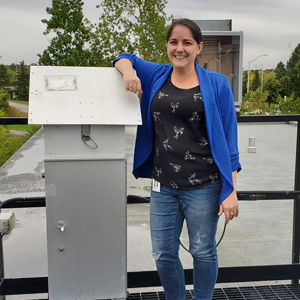
Radiation is all around us in our natural environment. From rocks in the ground, to cosmic radiation, it is typically harmless, despite our daily exposure to this emission of energy as electromagnetic waves or moving subatomic particles. So how do we know that tiny radioactive particles floating around us aren’t causing us harm? Health Canada’s Radiation Protection Bureau is constantly monitoring radiation in Canada and around the world.
Wild about wildfires
June 1, 2020

Wildfires are a growing international concern, happening from California to Australia and anywhere in between. Climate change is increasing the length of the fire season and the frequency of fires. In Canada, an average of 6,000 wildfires occur each year, burning a total area of 2.8 million hectares of land. Most of these fires happen in British Columbia, as well as in the boreal forests of the Prairies, Ontario, Quebec, Yukon and the Northwest Territories, but they can have a far-reaching impact throughout the country.
A woman in physics: Exploring science to find your way
March 1, 2020
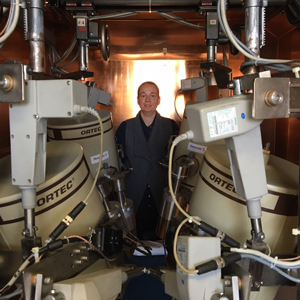
Marilyn Tremblay, head of the National Calibration Reference Centre for Bioassay and In Vivo Monitoring at Health Canada’s Human Monitoring Laboratory, became interested in science in CEGEP when she enrolled in the Physical Technology Technician program, specializing in photonics. “I’ve always loved the manual part of science, but I also wanted to understand the theory,” explained Marilyn. “I immediately got the hang of it.”
Science that can change your life
February 26, 2020
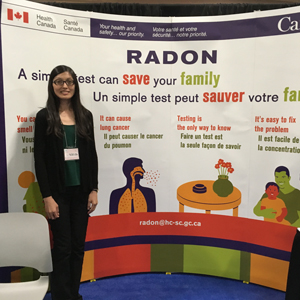
Adelene Gaw decided to study science because she enjoyed math and wanted to explore career options that matched her interests. “I really didn’t know what I wanted to be after high school, so I decided to study science because there were lots of variety and streams that I could choose from,” she explains. “There are so many interesting careers available to people who study science.”
Beyond your imagination: Finding your dream job through science
February 18, 2020

When Lauren Bergman recalls the path that led to her dream job, she admits there was a time when she didn’t know the job even existed.
From student to scientific leader: CIHR Scientific Director shares her journey in science
February 13, 2020
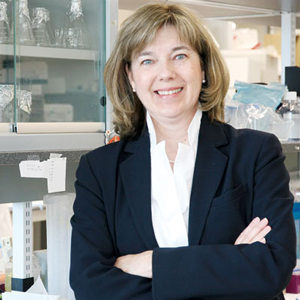
Dr. Jane Rylett is Scientific Director of the CIHR Institute of Aging. She is also a Distinguished University Professor at Western University in London, Ontario, and a Scientist in the Molecular Medicine Research Laboratories at Western’s Robarts Research Institute.