
Tiny lab, huge breakthroughs
December 5, 2019

When a foodborne illness outbreak occurs, every minute counts. Health authorities need to rapidly detect the pathogen behind the outbreak (e.g. E. coli, Salmonella, Listeria, etc.) so Canadians don’t become ill or in some more serious cases, die.
Combatting Stigma with Science: Opening pathways to treatment
November 28, 2019
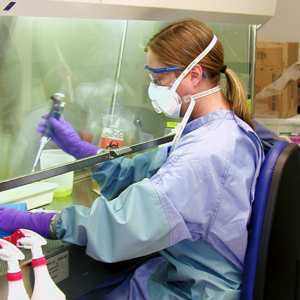
For many Canadians, reaching out to a medical professional, like a family doctor, simply takes a phone call or a drive to the clinic. Yet for some, stigma and discrimination are barriers to essential medical testing or treatment.
Examining the options: Radon mitigation in Canadian homes
November 24, 2019

Radon is a colorless and odorless natural gas resulting from the decay of uranium, present everywhere in the earth's crust. Outside, the gas is released into the atmosphere where its concentration is of no concern. However, modern construction techniques mean homes are more airtight than before, and radon can be present at higher concentrations.
Candida auris: fungal foes
November 18, 2019

When you are sick with an infection caused by bacteria, like strep throat, your doctor may prescribe antibiotics to help you feel better. For viral infections, like the flu, antiviral medications can also be helpful. These kinds of medications are called antimicrobials, because they help people recover from infection-causing microbes.
Not all Bugs Need Drugs: Canada’s top Doc talks antibiotic resistance
November 13, 2019

Antibiotic resistant infections are one of our greatest global health threats.
If we do not take the right action now, by 2050 antibiotic-resistant infections could cause as many as 10 million deaths per year around the world. That is more than the number of cancer deaths we see today worldwide.
Flu Fighters: How Canada influences the development of the annual flu shot
November 3, 2019

Winter is just around the corner, and with it, is the dreaded annual flu season. Most Canadians know how important it is to get the flu shot to help protect from getting sick, but have you ever found yourself wondering how the yearly influenza vaccine is developed? You might be surprised to learn about the amount of work that goes into that small immune-boosting, lifesaving vial.
Health Canada helps Canadians stay cool and healthy
August 7, 2019
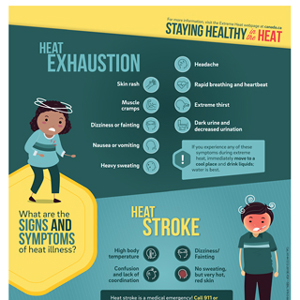
While Canada may be best known for its long, cold winters, Canadians are increasingly experiencing extreme heat. Extreme heat events, often called “heat waves”, can have serious consequences on your health, causing illnesses like heat stroke, and even death. It is important to be prepared.
Getting Away from the Point: Dried Blood Spot testing for blood borne diseases
July 22, 2019

When was the last time you were tested for sexually transmitted and blood borne infections (STBBIs) such as HIV or Hepatitis C? If you live near a facility that provides screening and you have not been tested recently, it might be time to get checked.
Fight the bite: Mosquito borne diseases are on the rise in Canada
July 8, 2019

Summertime is mosquito season in Canada and mosquito bite prevention is more important than ever. In the years ahead, Canadians will likely face an increased risk of mosquito-borne diseases, like West Nile virus, due to climate change. Scientists at the Public Health Agency of Canada’s National Microbiology Lab (NML) explain how the increases in temperature, changes in rainfall patterns and decreased number of frost days create an ideal habitat for mosquitoes to live, breed and transmit disease in Canada.
Examining foods through a scientific lens: a look at Health Canada’s radiating food research
June 2, 2019

When most of us channel our inner food critic, we might evaluate dishes based on consistency or taste, but radioactivity? Probably not! Some scientists, on the other hand, make it their life’s work.
The Science behind the Measles Vaccine: Get the facts
May 2, 2019

Measles is a serious and highly contagious childhood disease. Measles causes high fevers, coughing, sneezing and a red blotchy rash that develops on the face and spreads down the body. It can also lead to serious, permanent complications like blindness, deafness, and severe respiratory infections. The majority (90%) of unvaccinated people exposed to the virus will become infected.
Do it for a Healthy Home!
April 23, 2019

Every day, we are exposed to chemicals from the world around us, and our homes are no exception. There are chemicals all around us—in air, water, and food—everywhere we go, and in the everyday products we use. While some chemicals can be beneficial, others may pose health risks if they’re not used or handled properly.
Outdoor Air Pollution: One of the leading causes of death globally
April 23, 2019
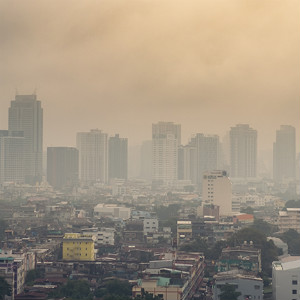
A new international study led by scientists at Health Canada has shed new light on the impact of air pollution on human mortality.
The research estimates that almost nine million people around the world die prematurely every year because of outdoor air pollution. This is more than double the previous estimates, making outdoor air pollution one of the leading causes of premature death globally. Its impact on life expectancy is now comparable to poor diets and cigarette smoking.
Footprints in the Snow: Mobilizing north to stop tuberculosis
March 18, 2019
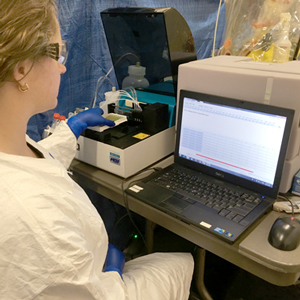
Tuberculosis (TB) is a preventable and curable disease, and is not easily spread from person to person. While Canada has some of the lowest rates of TB in the world, this disease disproportionately affects Indigenous Peoples, particularly the Inuit population in Nunavut. The Government of Canada is enhancing efforts to prevent and control active TB in communities most at risk.
Lab 101: What does it take to house the world’s deadliest diseases?
March 18, 2019

Ebola, Lassa and Nipah – these viruses can cause some of the world’s deadliest diseases. Have you ever wondered how and where Canadian scientists research these extremely infectious pathogens? They are stored and handled in the highest level of biocontainment labs with the utmost standard of safety and security. These labs are called Containment Level 4 labs (CL4). Canada’s only CL4 labs are found in Winnipeg, Manitoba, at the Canadian Science Centre for Human and Animal Health (CSCHAH).
A Calculated Risk: Radon Exposure in Indoor Environments
March 18, 2019

Dr. Jing Chen is a Health Canada scientist who’s come up with an innovative way to calculate Canadians’ risk of exposure to radon according to where we spend most of our time. Radon is an odourless, colourless radioactive gas produced by the natural decay of uranium in soil and rock. By understanding where we are exposed to radon indoors, we can target reduction strategies that will have the most impact.
The Canadian Health Measures Survey: How Our National Biomonitoring Survey Helps Us Stay Healthy
March 18, 2019

Every day, Canadians are exposed to a mix of natural and manufactured chemicals from the environment, consumer products, food, and drinking water. The health effects of some of these chemicals, and mixtures of chemicals, are not yet fully understood. To understand potential health impacts and allow Canadians and their government to make informed decisions about their health, Health Canada works with Statistics Canada and the Public Health Agency of Canada to conduct the Canadian Health Measures Survey (CHMS), an important part of the Government’s plan to reduce the risks posed by chemicals to Canadians and their environment.
Personal Genomics: Using DNA to Unlock HIV Secrets
March 18, 2019

HIV has proven to be one of the world’s most challenging infectious diseases for scientists to combat. One of the reasons why is because HIV targets cells of the immune system and attacks the body’s own defense mechanisms that fight off invading germs. The virus also rapidly replicates and mutates inside of an infected person’s body.
When Super Bugs Fight Back: The reality of antimicrobial resistant gonorrhoea
March 17, 2019
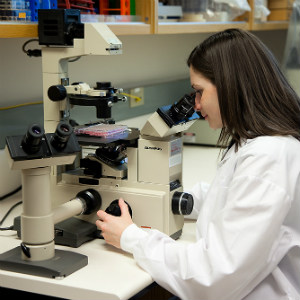
The bug that causes gonorrhoea won’t stop fighting back. Gonorrhoea is a sexually-transmitted infection (STI) caused by the bacteria Neisseria gonorrhoeae and it is now a global public health threat. There are an estimated 78 million reported cases worldwide each year.
The 1918 Flu Pandemic: Informing influenza research, 100 years later
March 17, 2019

Worldwide, the 1918 Spanish Flu pandemic swiftly killed approximately 50 million people and infected millions more – approximately 1/3 of the world’s population.