
Bacterial Record Checks: Suspects of the Food Safety System
August 14, 2018

E. coli - though we tend to associate it with foodborne illness outbreaks, most forms of the bacteria live naturally in the intestines of healthy humans and animals.
But some kinds of bacteria associated with food, can make people sick and cause a range of illnesses. During a foodborne illness outbreak, public health officials across the country need to know which food products pose a risk to Canadians.
Hepatitis B research: Virus-host balance and 20 years of successful vaccination
July 23, 2018

There are over 250 million people throughout the world chronically infected with hepatitis B (a hepatitis B infection is considered chronic or long-term when a person isn’t able to clear the infection from their body). According to the World Health Organization, viral hepatitis killed 1.34 million people worldwide in 2015.
From “A to Zika”: Airlines, babies and Canadian mosquitoes
July 23, 2018
Zika is a virus that is usually spread by mosquitoes found in tropical climates. The virus typically causes mild illness—such as headaches, weakness, and fever —that tends to last only a few days. In fact, some people who are infected with Zika don’t even know they have it.
Leading the way with Hia: Vaccine for the deadly infection gains traction
May 28, 2018

Scientists at the Public Health Agency of Canada (PHAC) continue to make great strides in creating healthy communities. A prime example is Dr. Raymond Tsang, a PHAC scientist at the National Microbiology Laboratory (NML) in Winnipeg, and his work on a new experimental vaccine for Haemophilus influenza serotype a (Hia).
Tick-Tock: Time is of the essence with Lyme disease and climate change
May 8, 2018
Lyme disease is becoming more and more common in many parts of Canada. The Government of Canada recognizes this increased spread and is committed to minimizing the public health risks associated with it.
The Public Health Agency of Canada (PHAC) is working on addressing this concern through education, awareness, and national surveillance. We are collaborating with patient groups, medical professionals, and provincial laboratories and encouraging participation of all involved to address Lyme disease.
Kids and Cords don't mix
April 19, 2018

For more than a decade, Tyler Goodier’s work at Health Canada has focused on the safety of your kids.
As a consumer product safety expert, Tyler works with the manufacturers, retailers and distributors of products such as playpens, toys, car seats and corded window coverings. He has seen the injuries that result from unsafe products, spoken with parents who have lost their children, and worked with industry to make sure Canadians have the information they need to make the best choices for themselves and their families.
Take Action on Radon in Your Home!
April 18, 2018
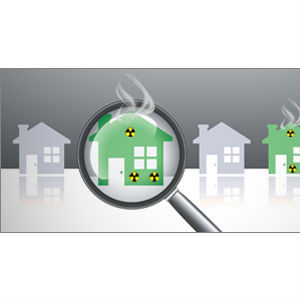
Radon is the second leading cause of lung cancer, after smoking. That’s the bad news. The good news is that you can test your home for radon levels and protect yourself and your loved ones from its harmful effects.
Hollywood has gotten the message - why no tan is THE look for summer 2017
April 19, 2018

We are seeing a bold, new natural look in Hollywood these days: no tan!
With Hollywood actors going with their own glow, everyone else is getting on board. So why is that?
The Air You Breathe!
April 19, 2018

Did you know that June 7 is Clean Air Day? Every year, the Government of Canada takes the opportunity to celebrate the achievements and hard work of all Canadians who are working to improve the air you breathe.
Embark on a Science Odyssey
April 19, 2018

It's that time of year again! Everyone is welcome to delve into the world of science during Science Odyssey, which runs May 12-21. Science Odyssey has something for you, whether your jam is science research, surveillance, technology, biology, engineering or mathematics. It's a chance to find out about happenings in museums, research centres, laboratories or classrooms.
Canada's Nuclear Superheroes
April 19, 2018

In the event of an emergency, we often think of the police, firefighters and paramedics as the first line of protection. And while these first responders play a key role, when it comes to nuclear emergencies, there are some other real-life heroes that also keep us safe.
The Federal Science Library, your one-stop science shop
March 3, 2021

The Federal Science Libraries Network (FSLN) is a portal into the world of science. It will let you discover library collections and access information from Canada’s science-based departments and agencies (see list of partners below). The FSLN is a one-stop shop for all your science research needs. It has a broad and intuitive search function, which makes it easy to find quality content. The FSLN also has a collection of scientific resources from around the globe. This means that you can expand your search well beyond the 7 federal science libraries.
Field Epidemiologists: Disease Detectives of Public Health
April 19, 2018

Asking questions, solving mysteries and telling stories are all part of a detective’s job. They also happen to be important aspects of an epidemiologist’s job.
Uncharted Territory in Zika Virus Research
April 19, 2018
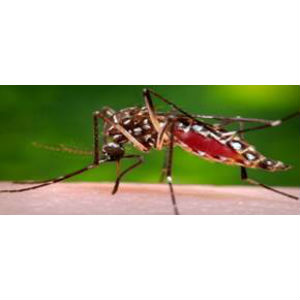
Could the Zika virus come to Canada? To date, zero cases of Zika have been contracted in Canada through mosquito bites. All reported cases have been travel-related, sexually transmitted or transmitted from mother-to-child. You may be wondering if that could change. With its rapid spread in the Caribbean and the Americas and its international attention, this is a question that's top of mind for Canadian researchers, as they venture into uncharted territory in their Zika virus research.
Why some communities adjust the level of fluoride in drinking water
April 19, 2018

You go to the dentist. (You do love the dentist, don’t you?) The dental hygienist takes out the sharp, terrifying tools and cleans your teeth while happily asking you about your day. Then the dentist comes in, pokes around a bit, and declares you may have a cavity, despite your best efforts to brush seven times a day. Finally, you’re almost done, except for that last little fun part…fluoride!
CFIA scientist traps elusive invasive beetles with sexy insect perfume
April 19, 2018
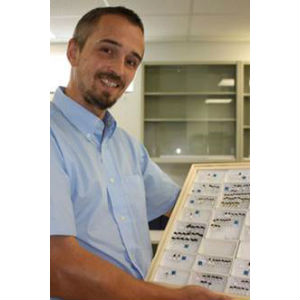
Dr. Vasily Grebennikov, a Canadian Food Inspection Agency (CFIA) scientist known the world over for his work with beetles, has conducted breakthrough research using the sex pheromones of invasive beetles. This research will help find the pests and prevent them from causing extensive damage to Canada's forests.
The rise of the tick
April 19, 2018
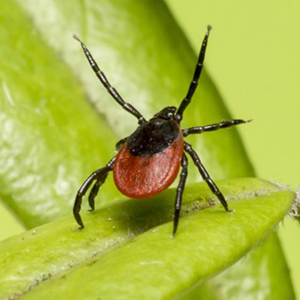
If you enjoy being outdoors, chances are you’ve received your fair share of bug bites. Some may cause itchiness or a skin rash, but other bites can sometimes lead to a serious health issue. Take Lyme disease for example; it’s an infection from a bacterium called Borrelia burgdorferi. The bacterium is transmitted to humans from the bite of infected blacklegged ticks and may lead to severe symptoms if left untreated.
CFIA scientists seek the Barcode of Life
April 19, 2018

DNA is what makes each person or species unique. It's that double helix that your genes are made of. DNA accounts for why you resemble your parents and it distinguishes you from everybody else.
Now, imagine a world where all discovered species could be identified through DNA processing and sequencing. This is called “barcoding.”
Testing cattle semen… this is a job for the CFIA
April 19, 2018

The Canadian Food Inspection Agency’s (CFIA) work is essential for a safe and accessible food supply. People may think of the CFIA as “food inspectors,” but the Agency’s role is much more than that. The CFIA doesn’t just use science; the Agency also develops new science every day through research discovery and implementation in order to minimize risks to the country’s plant and animal resources.
Turn That Thing Down!
April 19, 2018
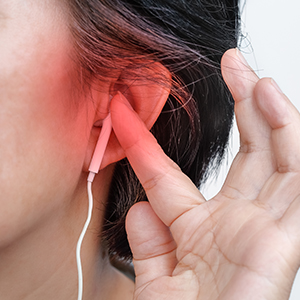
If you’re like most people, chances are you listen to music on some type of portable device--be it an MP3 player, a cell phone, a tablet or a laptop. You might even still use a portable CD or tape player! Whether you’re a young person who has never seen a cassette tape, or an adult who can’t get over how much music can fit on an iPod nano, you’ve probably been told at some point in your life to turn down the volume.
Pregnant women exposed: Research reveals surprising results
April 19, 2018

We come in contact with a variety of chemicals every day. This is not necessarily cause for concern. That said, we know we should limit our exposure to harmful chemicals in our environment. For example, high levels of lead and mercury can damage our health.
Investigating outbreaks of foodborne illness
April 19, 2018
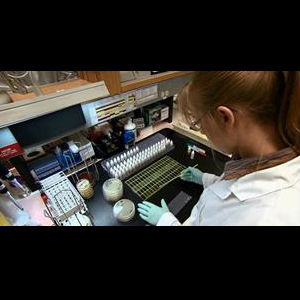
You wake up and something’s not right. “Ugggh, my stomach is off!” Thirty seconds later, you’re running to the toilet.
Perhaps you didn’t cook the chicken enough the other night. Or maybe the fish taco food truck wasn’t the best idea for lunch this week. Either way, you may have symptoms of food poisoning, also known as foodborne illness.
When you have food allergies, who do you call? (Hint: It's not Ghostbusters!)
April 19, 2018

Survey research has long demonstrated that Canadians have put trust in the Canadian Food Inspection Agency (CFIA) to protect their food supply. But social media is now giving the CFIA the ability to validate that trust almost daily.
10 Reasons Toys End up on Health Canada's Naughty List
April 19, 2018

At Health Canada, we give Santa a hand by testing toys in our high-tech Product Safety Laboratory. All elves making toys must obey the Canada Consumer Product Safety Act, meaning that no one can make, import, sell or advertise a product that could be dangerous to our health or safety.
A promising Ebola vaccine
April 19, 2018
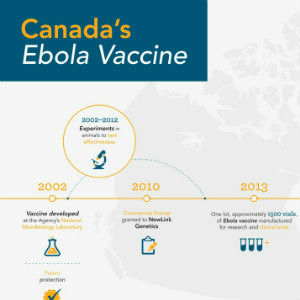
In March 2014, the World Health Organization (WHO) reported an outbreak of Ebola virus disease in West Africa. With no previous outbreaks in this region, it had been three months from when the outbreak started until it was detected and by that time it had already spread to two other countries. From the start, the scale of this event tested the world’s ability to respond to and control an outbreak which would require coordination and collaboration of many international stakeholders.
The Other Odourless, Invisible Gas That Could Kill You
April 19, 2018
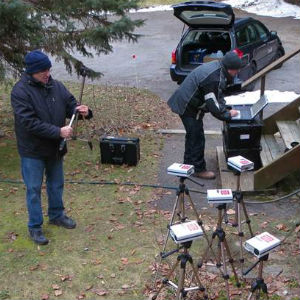
A couple of weeks ago, we posted about monsters lurking under your bed. You may also be familiar with the dangers of carbon monoxide (spoiler alert - You can't smell or see carbon monoxide, but it is deadly and you should have a detector).